The global automotive industry is once again signaling a nuanced shift in its electrification strategy, a development that warrants close attention from oil and gas investors. Leading German automakers, notably BMW and Volkswagen, are revisiting Extended Range Electric Vehicles (EREVs) for their future lineups, a move poised to exert fresh pressure on long-term oil demand projections. While pure battery electric vehicles (BEVs) remain a strategic pillar, the renewed interest in EREVs, particularly for high-growth markets like China, introduces a variable that could prolong the relevance of gasoline demand in a modified form, yet simultaneously cap its growth potential. This strategic pivot by major manufacturers arrives at a time of significant volatility in the energy markets, prompting a deeper dive into what this means for crude oil prices, production quotas, and investment strategies in the coming years.
The EREV Resurgence and Its Operational Mechanics
The concept of the Extended Range Electric Vehicle is not entirely new, but its current resurgence, driven by strategic market considerations, presents a compelling development. Unlike traditional plug-in hybrids that often use their combustion engine to directly power the wheels, EREVs operate with the electric motor always driving the vehicle. A smaller, onboard combustion engine functions solely as a generator, recharging the battery when its charge depletes. This design offers the flexibility of electric driving for daily commutes coupled with the reassurance of extended range through traditional refueling, effectively mitigating range anxiety without requiring a full battery-electric infrastructure overhaul.
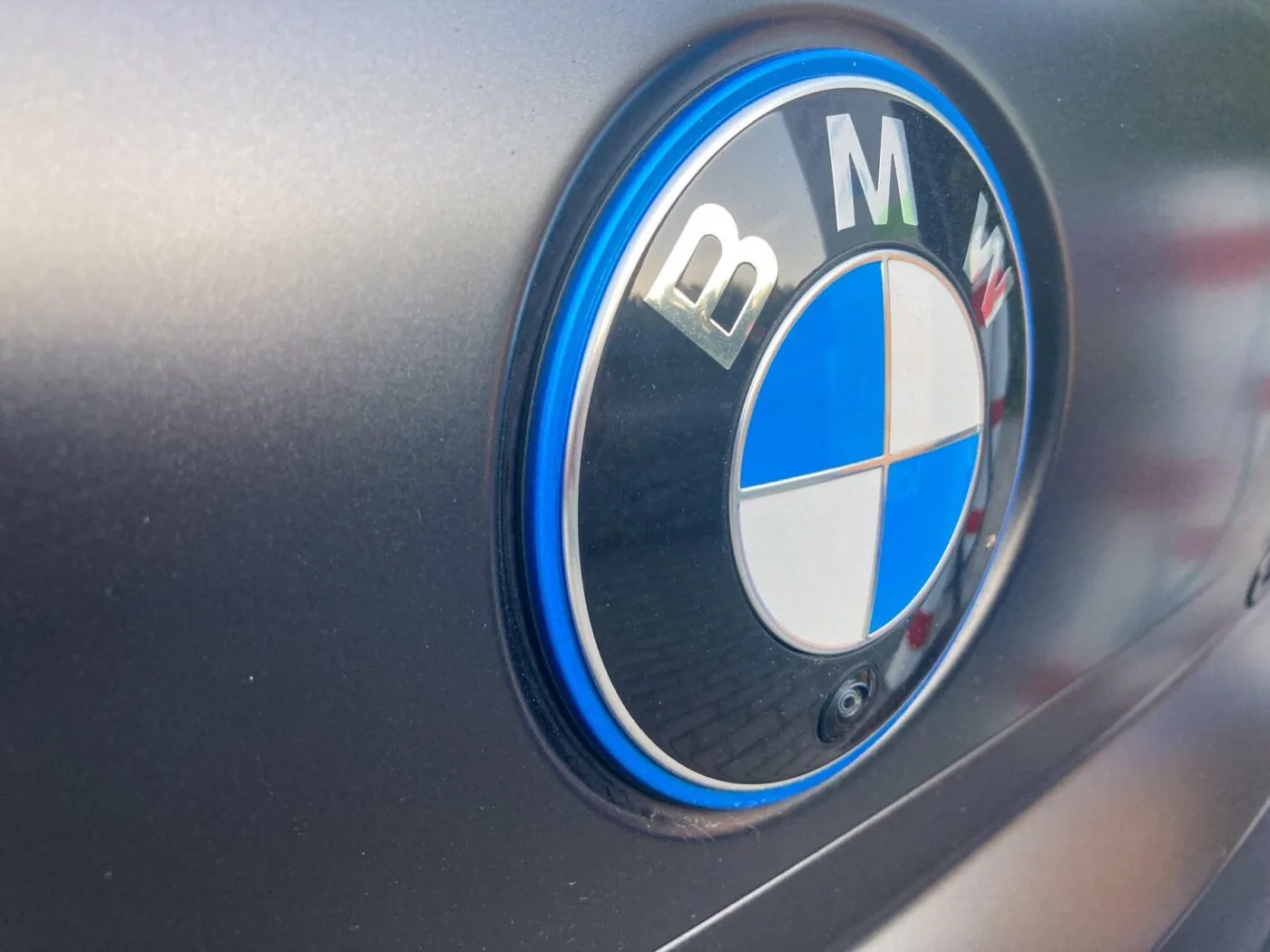
BMW’s exploration into this technology, with reports indicating a potential market entry for an iX5 REx model as early as 2026, mirrors similar initiatives from Volkswagen, which plans to introduce an EREV, the ID. ERA, through its SAIC-Volkswagen joint venture in 2025. This renewed focus is heavily influenced by the Chinese market, which has shown a strong appetite for such vehicles, but also extends to North America and Europe. Key supplier ZF is reportedly collaborating with BMW, developing generator systems like the eRE and eRE+ with outputs ranging from 70 to 150 kW, capable of extending vehicle range up to 1,000 kilometers. This technological advancement suggests a sophisticated approach to efficiency, ensuring that while gasoline is still consumed, it is done so in a highly optimized manner to generate electricity, rather than directly propelling the vehicle.
Current Market Headwinds and the Demand Outlook
The automotive industry’s strategic shifts unfold against a backdrop of significant turbulence in the crude oil market. As of today, Brent crude trades at $90.38, marking a substantial 9.07% decline within the day, with prices fluctuating between $86.08 and $98.97. Similarly, WTI crude has seen a sharp drop of 9.41% to $82.59, moving within a daily range of $78.97 to $90.34. This intraday volatility follows a more protracted downward trend; Brent crude has shed over 18.5% in just the last two weeks, falling from $112.78 on March 30th to $91.87 yesterday. Gasoline prices reflect this pressure, currently at $2.93, down 5.18% today. These significant price corrections highlight the market’s sensitivity to global economic signals and any indication of future demand erosion.
Investors are keenly observing these trends, with a frequent question on our platform being: “What do you predict the price of oil per barrel will be by the end of 2026?” The re-emergence of EREVs, while not an immediate demand disruptor on the scale of a full BEV transition, adds a layer of complexity to these forecasts. By extending the operational range of electric vehicles through fuel-based generation, EREVs could decelerate the pace of outright gasoline demand destruction compared to a pure BEV scenario. However, they simultaneously cap the growth potential of direct gasoline consumption per vehicle by relying primarily on electric propulsion. This creates a challenging outlook for 2026 and beyond, where the market must balance sustained, albeit reduced, internal combustion engine (ICE) use against accelerating electrification.
Navigating Near-Term Supply Dynamics Amidst Long-Term Shifts
The strategic decisions by automakers to embrace EREVs will undoubtedly factor into the complex calculations of global oil supply and demand. As the critical OPEC+ Joint Ministerial Monitoring Committee (JMMC) convenes this Saturday, April 18th, followed by the full Ministerial meeting on Sunday, any discussions around production quotas will undoubtedly factor in the evolving demand landscape. “What are OPEC+ current production quotas?” remains a top query among our readers, highlighting the immediate importance of these meetings. While OPEC+ primarily focuses on short-to-medium-term market stability, intelligence regarding long-term demand pressures from the automotive sector cannot be ignored.
The impending release of the API Weekly Crude Inventory on April 21st, followed by the EIA Weekly Petroleum Status Report on April 22nd, will provide crucial short-term snapshots of supply and demand balances in key markets. However, the EREV trend points to a more structural challenge. If EREVs gain significant traction, especially in the vast Chinese market and potentially in North America and Europe, the cumulative impact on gasoline demand, even if gradual, could be substantial over time. This creates a delicate balancing act for OPEC+ members: maintaining market stability in the face of current price declines while acknowledging the longer-term threat of automotive technology shifts to their core product’s demand.
Investment Implications: Adapt or Risk Obsolescence
For oil and gas investors, the EREV resurgence underscores the imperative for dynamic portfolio management and a keen eye on technological evolution. Companies heavily exposed to gasoline refining and distribution may face headwinds as EREVs, even with their internal combustion generators, are inherently more fuel-efficient than conventional ICE vehicles. The question of “How well do you think Repsol will end in April 2026?” reflects investor concern over the performance of integrated energy companies in this changing environment.
Instead of a sudden cliff-edge decline, EREVs suggest a potentially elongated plateau or a more gradual decline in oil demand from the light-duty vehicle sector. This scenario demands strategic adaptation from upstream producers, midstream operators, and refiners. Investment in diversified energy portfolios, focusing on companies with robust natural gas assets, petrochemical operations, or those actively investing in carbon capture and new energy solutions, could prove more resilient. The ability of an oil and gas company to pivot, innovate, and reduce its carbon footprint will increasingly dictate its long-term viability and attractiveness to capital.
Strategic Outlook: A Hybrid Future for Oil Demand?
The renewed interest in EREV technology signals a crucial pivot in the global automotive landscape, moving beyond a simplistic “ICE vs. BEV” dichotomy. While BEVs remain the ultimate destination for many policymakers and manufacturers, EREVs offer a pragmatic bridge, particularly in markets where charging infrastructure is still developing or where consumers prioritize extended range and quick refueling. This “hybrid future” for personal mobility means that oil demand, specifically for gasoline, will not vanish overnight, but its trajectory will be significantly altered.
For the oil and gas sector, this necessitates a fundamental rethinking of long-term demand growth assumptions. EREVs, by design, reduce the direct volume of fuel consumed per kilometer traveled, even if they don’t eliminate it entirely. This sustained but diminished demand profile suggests that while the peak oil demand might be pushed further into the future than some extreme BEV projections suggest, the rate of growth will be severely curtailed, and eventually, a decline will set in. Investors must position themselves for a world where energy efficiency in transportation becomes paramount, and where every barrel of crude oil faces increasing competition from electrifying alternatives, even those with an internal combustion engine generating power.