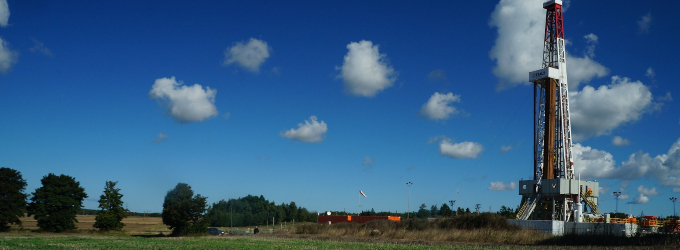
BKV Corporation has significantly bolstered its position in the domestic natural gas market with the strategic $370 million acquisition of Bedrock Energy Partners’ Barnett shale assets. This move is more than just an expansion; it’s a calculated consolidation that reinforces BKV’s leadership in a mature basin known for its robust production profile and established infrastructure. For investors closely watching the U.S. energy landscape, this transaction highlights a compelling strategy of disciplined growth, operational synergy, and enhanced economic efficiencies in a volatile commodity environment.
Solidifying Dominance in the Barnett Shale
The recent acquisition by BKV Corporation is a landmark event, adding a substantial 97,000 net acres and 108 MMcfed of production to its already formidable portfolio. This strategic move cements BKV’s standing as the largest natural gas producer in the Barnett shale, a basin renowned for its long-lived, low-decline assets. The deal encompasses 1,121 producing locations, which bring an estimated 800 Bcfe of proved reserves into BKV’s fold. Crucially, the transaction also includes essential midstream infrastructure, promising significant operational synergies across BKV’s existing acreage. This integration is vital for optimizing costs and maximizing production efficiency, aligning perfectly with BKV CEO Chris Kalnin’s stated strategy of disciplined growth within basins where the company possesses established infrastructure and deep operational expertise.
Expanding Inventory and Enhancing Portfolio Economics
Beyond the immediate production uplift, this acquisition fundamentally enhances BKV’s long-term development inventory. The assets add approximately 50 new drill locations and 80 refrac candidates, providing a clear runway for sustained organic growth. What makes these additions particularly attractive to investors is their potential to improve BKV’s overall economic profile. The acquired assets boast low decline rates, a characteristic highly valued in mature shale plays, ensuring more predictable cash flows. Furthermore, the estimated break-even costs associated with these new opportunities are reported to be more favorable than those in BKV’s current portfolio. This improvement in cost structure is a critical factor in a capital-intensive industry, positioning BKV for stronger margins and enhanced resilience against commodity price fluctuations, thereby offering a more attractive risk-adjusted return profile for its stakeholders.
Navigating Market Volatility and Addressing Investor Concerns
In the broader energy market, investors are grappling with significant volatility. As of today, Brent crude trades at $90.38 per barrel, marking a sharp 9.07% decline within the day, while WTI crude sits at $82.59, down 9.41%. This recent downturn follows a notable trend, with Brent having shed nearly 20% over the past 14 days, plummeting from $112.78. Such fluctuations naturally raise questions among our readers, with many asking about the future trajectory of oil prices, specifically “what do you predict the price of oil per barrel will be by end of 2026?” and “What are OPEC+ current production quotas?”. While BKV’s primary focus is natural gas, overall energy market sentiment invariably impacts investor appetite across the sector. BKV’s strategy to consolidate and optimize a mature natural gas basin, with a focus on improving break-even costs, offers a degree of insulation from the more dramatic swings observed in the global crude market influenced by factors like OPEC+ decisions. By enhancing efficiency and expanding a low-cost inventory, BKV is proactively addressing the inherent commodity price risks that are top of mind for our investor community.
Strategic Outlook and Upcoming Catalysts
Looking ahead, BKV’s strengthened position in the Barnett shale sets the stage for sustained operational activity and potential growth. Investors should monitor upcoming industry events for broader market cues. The OPEC+ Ministerial Meeting scheduled for April 19th, while directly impacting oil, often sets a tone for global energy markets. More pertinent to BKV’s domestic natural gas operations will be the weekly data releases: the API and EIA Weekly Crude Inventory reports on April 21st and 28th, and the EIA Weekly Petroleum Status Reports on April 22nd and 29th. These provide crucial insights into U.S. supply and demand dynamics, which can indirectly influence natural gas sentiment. Perhaps most directly relevant for BKV, the Baker Hughes Rig Count reports on April 24th and May 1st will offer a real-time pulse on drilling activity across North America. With 50 new drill locations and 80 refrac candidates in its expanded inventory, BKV has the organic growth potential to contribute to these rig counts, signaling its commitment to capitalizing on its enhanced asset base. This acquisition positions BKV to execute a long-term, value-driven strategy, leveraging its scale and efficiency regardless of short-term commodity price gyrations or geopolitical influences, making it a compelling entity for natural gas investors seeking stability and growth.