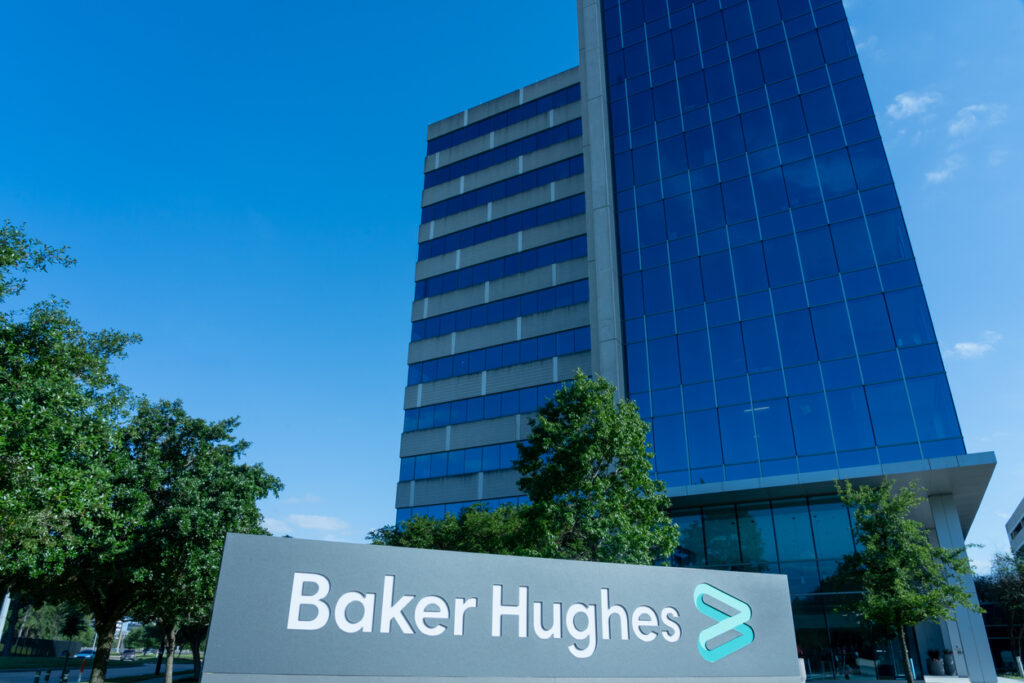
Baker Hughes, a prominent energy technology company, has announced a significant strategic move, agreeing to divest its Precision Sensors & Instrumentation (PSI) product line to Crane Company. This transaction, valued at approximately $1.15 billion in cash, underscores Baker Hughes’ ongoing commitment to refining its portfolio and enhancing shareholder value through disciplined capital deployment.
Strategic Portfolio Optimization Drives Divestment
The sale of PSI represents a calculated step in Baker Hughes’ broader strategy to streamline its operations and concentrate on core competencies within its Industrial & Energy Technology (IET) segment. This divestiture follows a clear pattern of portfolio optimization, echoing recent announcements like the Surface Pressure Control transaction, and signals the company’s intent to reallocate capital towards opportunities promising higher returns and greater earnings durability.
Lorenzo Simonelli, Chairman and CEO of Baker Hughes, emphasized the strategic rationale behind this move. He highlighted that the transaction reinforces the company’s focus on key IET areas, including rotating equipment, advanced asset performance management, intricate flow control systems, and cutting-edge decarbonization technologies. This targeted approach is designed to generate superior returns and solidify long-term value for investors navigating the dynamic energy and industrial landscape. The substantial valuation achieved for PSI, according to Simonelli, is a testament to the quality of these product lines and their future potential under new ownership.
Unpacking the Precision Sensors & Instrumentation (PSI) Portfolio
The PSI product line, formerly a crucial component of Baker Hughes’ IET segment, encompasses globally recognized brands such as Druck, Panametrics, and Reuter-Stokes. These brands are stalwarts in the field of instrumentation and sensor-based technologies, playing vital roles across a multitude of industries. Their offerings include sophisticated solutions for detecting and analyzing critical parameters like pressure, flow rates, gas composition, moisture levels, and radiation. These capabilities are indispensable for ensuring operational efficiency, safety, and compliance in sectors ranging from oil and gas production to manufacturing, aerospace, and environmental monitoring.
The PSI operation is a significant enterprise, employing approximately 1,600 dedicated professionals across numerous manufacturing and service facilities worldwide. This global footprint and comprehensive resource base are integral to the transaction, as the sale encompasses all business assets, including valuable intellectual property, physical infrastructure, and human capital. For investors, understanding the breadth and technological depth of PSI reveals the strategic value Baker Hughes is unlocking through this divestment.
Crane Company: A Strategic Acquirer
The acquisition target, Crane Company, is a well-established diversified manufacturer specializing in highly engineered components. Crane’s expertise lies in delivering solutions for challenging, mission-critical applications within demanding end markets such as aerospace, defense, space exploration, and various process industries. The integration of PSI’s advanced sensor and instrumentation capabilities is expected to significantly enhance Crane’s existing portfolio, offering synergistic growth opportunities and expanding its technological footprint.
For Crane, the addition of Druck, Panametrics, and Reuter-Stokes represents a strategic coup, bolstering its position in critical sensing technologies that align perfectly with its high-reliability application focus. This acquisition will allow Crane to broaden its product offerings and deepen its penetration into industrial sectors that increasingly rely on precise measurement and analytical data.
Financial Implications and Investor Outlook
The $1.15 billion cash injection from this divestiture provides Baker Hughes with substantial financial flexibility. This capital can be strategically deployed to accelerate investments in its core IET segments, which include high-growth areas like decarbonization and digital solutions. Such investments are crucial for Baker Hughes to maintain its competitive edge and capitalize on the energy transition megatrend. Furthermore, the capital could be allocated towards share buybacks, enhancing earnings per share, or reducing outstanding debt, thereby strengthening the company’s balance sheet and financial resilience.
This move is set to enhance the durability of Baker Hughes’ earnings and cash flow profiles by focusing on higher-margin, more predictable business lines. Investors typically view such strategic streamlining favorably, as it often leads to a clearer investment thesis and improved operational efficiency. The emphasis on core competencies and higher-return opportunities signals a disciplined approach to capital allocation designed to maximize long-term shareholder returns.
Transaction Timeline and Regulatory Considerations
The completion of this significant transaction is subject to customary closing conditions, including the receipt of necessary regulatory approvals from various jurisdictions. Both parties anticipate the deal to finalize either at the close of 2025 or in early 2026. This extended timeline reflects the complexity of global regulatory landscapes for transactions of this scale, particularly involving advanced industrial technologies and cross-border operations. Evercore is serving as the financial adviser to Baker Hughes for this strategic divestiture, providing expert guidance throughout the process.
For investors, monitoring the progress of these regulatory approvals will be key, though the fundamental strategic merits of the deal for Baker Hughes remain clear regardless of the exact closing date.
A Sharpened Focus for Future Growth
In conclusion, Baker Hughes’ divestment of its Precision Sensors & Instrumentation product line to Crane Company for $1.15 billion marks a pivotal moment in its strategic evolution. This move is not merely an asset sale but a deliberate recalibration of its operational footprint, aimed at fostering a more focused, agile, and high-return business model. By divesting non-core assets and channeling resources into areas like rotating equipment, asset performance management, flow control, and decarbonization, Baker Hughes is positioning itself for sustained growth and enhanced value creation in an increasingly complex and energy-conscious global economy. Investors should view this transaction as a strong indicator of management’s commitment to disciplined portfolio management and a clear vision for the company’s future in the evolving energy technology landscape.