A New Frontier for O&G Investment: Carbon-Negative Concrete
The global energy sector, particularly its oil and gas constituents, faces an undeniable imperative: innovate or be left behind in the evolving energy transition. Companies are relentlessly pursuing strategies to decarbonize operations, enhance environmental stewardship, and bolster their overall ESG standing. A significant development from construction titan Holcim now presents a compelling new avenue for strategic capital deployment: carbon-negative building materials. This advancement introduces a biochar-infused concrete formulation designed to actively extract atmospheric carbon dioxide, effectively transforming built structures into enduring carbon sinks. For astute oil and gas investors, this signals a nascent, yet potentially high-impact, domain for strategic investment, tangible carbon offsetting, and crucial diversification into the rapidly expanding sustainable infrastructure market.
Decoding Holcim’s Carbon-Negative Breakthrough
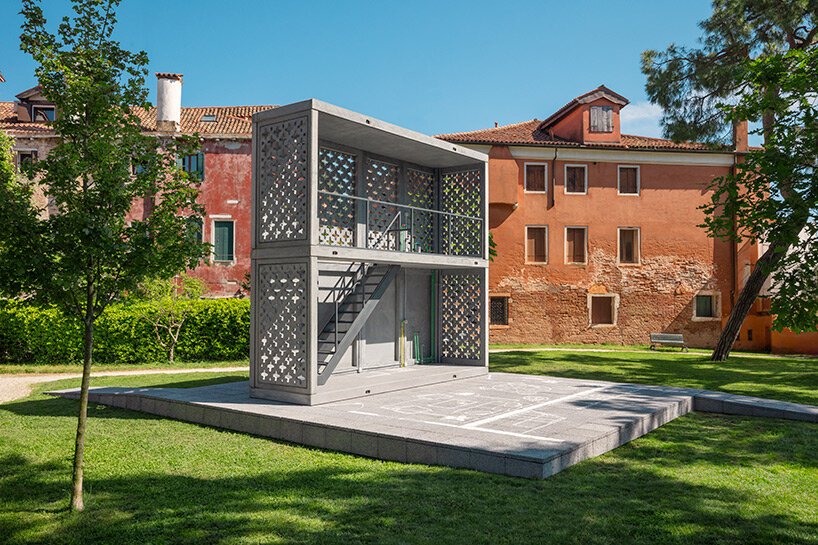
Holcim, in collaboration with the renowned architect Alejandro Aravena and his firm ELEMENTAL, recently unveiled this revolutionary concrete solution. Its debut at the prestigious 2025 Architecture Biennale in Venice showcased the technology within a full-scale prototype of a Basic Services Unit (BSU) housing structure. This innovation transcends mere emission reduction; it champions the active reversal of atmospheric carbon, forging a concrete pathway toward decarbonizing one of the world’s most carbon-intensive industries: construction. For energy sector players grappling with their own emissions profiles, a technology capable of transforming a major industrial sector into a carbon sink represents a critical component in the broader climate solution landscape, offering opportunities for direct investment or strategic partnerships.
Biochar: A Permanent Carbon Sequestration Solution
At the core of Holcim’s pioneering material lies biochar, a charcoal-like substance meticulously derived from the stabilization of organic matter through a process known as pyrolysis. Traditionally, organic matter undergoes decomposition, a natural process that releases stored carbon dioxide back into the atmosphere. However, converting this organic feedstock into biochar effectively sequesters this carbon, locking it away permanently within a stable solid form. The environmental upside is substantial: each kilogram of biochar seamlessly integrated into construction materials actively prevents the release of a remarkable three kilograms of CO₂. When this potent biochar is combined with Holcim’s proprietary low-carbon cement, mortars, and advanced concrete formulations, the result is a construction material boasting a profoundly reduced and, critically, a net-negative carbon footprint. This permanent sequestration mechanism holds significant appeal for oil and gas companies seeking verifiable, long-term carbon solutions.
Circular Economy Principles and Market Readiness
This biochar-enhanced material also champions robust circular economy principles by incorporating 100% recycled aggregates. This commitment aligns seamlessly with Holcim’s broader vision for circular construction, complementing its existing portfolio of sustainable offerings such as ECOPact, ECOPlanet, and ECOCycle® technologies. For investors in the energy sector, a comprehensive understanding of the underlying scientific principles, the manufacturing process, and Holcim’s established track record in green building materials is paramount. Such due diligence is crucial for accurately evaluating the scalability, long-term potential, and market readiness of these advanced carbon capture and utilization technologies, positioning them as viable targets for strategic capital allocation.
Scalability and Global Impact for Energy Sector Diversification
The Basic Services Unit prototype exhibited in Venice perfectly embodies ELEMENTAL’s celebrated principle of incremental design. This innovative approach delivers essential core infrastructure that residents can subsequently expand upon as resources permit, effectively addressing critical housing needs with unparalleled speed and efficiency. The utilization of precast panels further facilitates rapid deployment, positioning this biochar concrete solution as an ideal candidate for scaling sustainable housing initiatives globally without imposing undue strain on environmental resources. The inherent scalability of this technology represents a key attractive feature for oil and gas investors. Large-scale construction projects, from urban development to critical infrastructure, could become significant carbon sinks, offering substantial opportunities for carbon credit generation, direct investment in material production, or even strategic partnerships in project development. This pathway provides a tangible mechanism for energy companies to diversify their portfolios into climate-resilient assets and participate actively in the green building revolution.
Investment Implications for Oil & Gas
For oil and gas companies navigating the complexities of the energy transition, biochar concrete presents multi-faceted investment implications. Firstly, it offers a direct route to enhance corporate ESG metrics by investing in or utilizing a verifiable carbon-negative material. Secondly, it opens doors for strategic partnerships with construction giants like Holcim, leveraging the energy sector’s vast capital and project management expertise to accelerate the widespread adoption of such materials. Companies could explore equity stakes in biochar production facilities, ensuring a stable supply chain for this critical carbon sequestration agent. Furthermore, the robust carbon sequestration capabilities inherent in biochar concrete projects could lead to the generation of high-quality carbon credits, providing an additional revenue stream or offsetting internal operational emissions. This diversification into sustainable infrastructure also acts as a strategic hedge against the inherent volatilities of traditional fossil fuel markets, positioning forward-thinking energy investors at the forefront of the emerging green economy.
Charting a Carbon-Negative Future
The advent of biochar-infused concrete represents more than just an incremental improvement in building materials; it signifies a transformative leap towards a truly carbon-negative built environment. For oil and gas investors, this innovation from Holcim and ELEMENTAL underscores a potent blend of environmental responsibility and compelling financial opportunity. By offering a permanent carbon sequestration solution, adhering to circular economy principles, and demonstrating clear scalability for global impact, biochar concrete emerges as a strategic imperative. Forward-looking energy companies must meticulously evaluate and consider integrating such innovations into their investment strategies, not only to meet evolving regulatory and societal expectations but also to unlock new avenues for growth, diversification, and long-term value creation in a decarbonizing world. Investing in biochar concrete isn’t just about building structures; it’s about building a sustainable future, one carbon-negative brick at a time.


