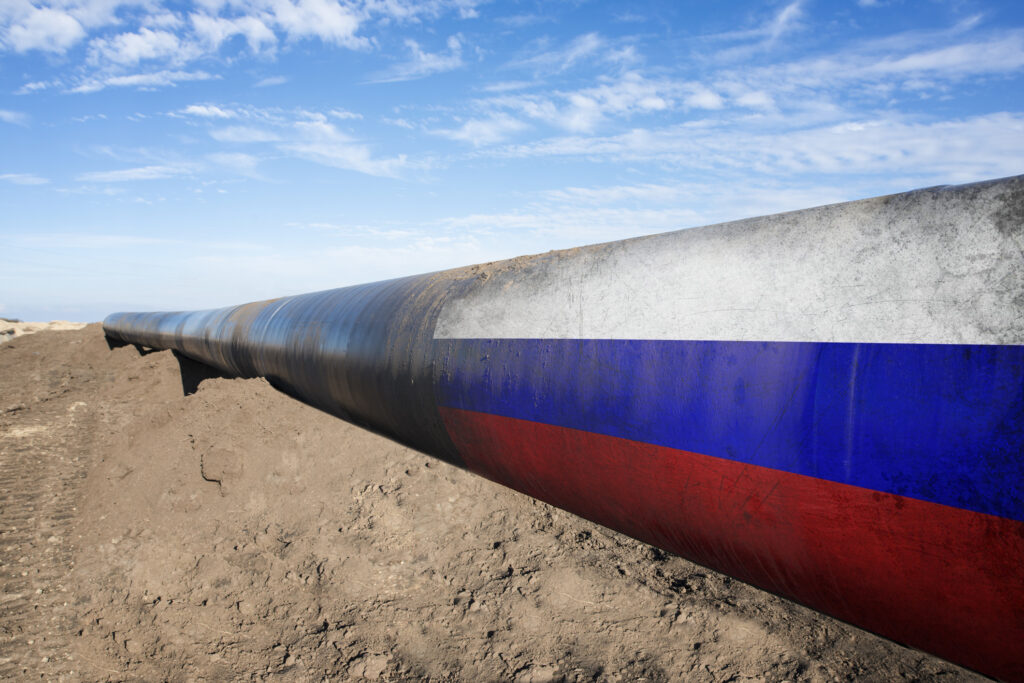
Billionaire Activist Eyes Controversial Russian Gas Lifeline: A High-Stakes Energy Play
In a move that underscores the audacious, contrarian spirit of elite finance, Paul Singer’s Elliott Management is reportedly exploring an investment in the Bulgarian extension of TurkStream, a critical natural gas pipeline funneling Russian gas into Europe. This potential deal, still in its nascent stages, represents a significant geopolitical and financial gambit, targeting what many consider Moscow’s last viable gas conduit to the European continent amidst a complex web of sanctions, political pressures, and infrastructure disruptions.
For investors tracking the intricate dynamics of global energy markets, Elliott’s interest in this particular asset signals a willingness to engage with highly sensitive infrastructure, even as Washington continues to prioritize energy independence and containment strategies against Russia. The Wall Street Journal brought to light these early discussions, indicating that Elliott’s scope might extend beyond just the pipeline, potentially encompassing other strategic assets from Bulgaria’s state-owned gas operator, Bulgartransgaz, including data centers and fiber optic cables.
TurkStream: A Geopolitical Energy Artery
The TurkStream pipeline holds immense strategic value. With other major Russian gas arteries either idled by sanctions, physically damaged, or rendered politically unpalatable, TurkStream remains a crucial, albeit diminished, pipeline supplying natural gas to parts of Southern and Central Europe. Its Bulgarian segment is therefore a key component in maintaining what little direct natural gas flow Russia still commands into the European Union. For Elliott Management, a firm renowned for its aggressive and often confrontational investment tactics, eyeing this asset is entirely consistent with its history of identifying deeply undervalued or politically charged opportunities where others fear to tread.
Paul Singer, the hedge fund titan behind Elliott, has a long-standing reputation for challenging corporate boards and even sovereign governments. His firm’s track record includes a protracted legal battle with Argentina over defaulted debt and, more recently, activist campaigns targeting major energy players. Elliott is actively pressuring BP, for instance, to scale back its energy transition initiatives, advocating instead for increased crude oil production and reduced capital expenditures. Concurrently, the firm is pushing for a strategic overhaul at Phillips 66, proposing a potential breakup of the refining giant, while also reportedly assessing a deal for Citgo, a direct competitor to Phillips’ refining assets.
Given this pattern of bold, high-impact interventions across the energy spectrum, Elliott’s potential entry into Europe’s energy bloodstream via Bulgarian infrastructure aligns perfectly with Singer’s calculated risk-taking philosophy. It’s a move designed to unlock value from assets deemed too controversial or complicated by conventional investors.
Strategic Implications for Bulgaria and Moscow
From Sofia’s perspective, an American hedge fund’s stake in such vital infrastructure could offer a dual benefit. Firstly, it would provide much-needed capital to modernize and stabilize Bulgaria’s domestic energy grid and broader digital infrastructure. Secondly, and perhaps more controversially, some analysts suggest it could serve as a diplomatic overture, particularly towards a potential future U.S. administration led by figures like Donald Trump. The theory posits that an American investment might act as a shield, protecting the asset from potential future sanctions, though this remains a highly speculative and optimistic assessment of geopolitical realities.
For Moscow, the symbolism of a U.S. investment firm breathing new life into a Russian-linked gas export route would be profound. It would offer a narrative of renewed market acceptance, even if the underlying motivation for Elliott is purely financial arbitrage. However, this is quintessential Singer: identifying assets that others are too risk-averse or politically squeamish to touch, then leveraging financial acumen and a formidable balance sheet to extract maximum value, regardless of the surrounding noise.
Investor Outlook: Risks and Rewards in Controversial Assets
This potential investment highlights a fascinating facet of modern energy investing: the pursuit of returns in politically charged environments. For oil and gas investors, Elliott’s strategy offers a case study in contrarian thinking. While the geopolitical risks associated with Russian energy assets are undeniable and continue to evolve, the potential for significant upside in essential, if contentious, infrastructure can be compelling for those with a high tolerance for risk and a long-term horizon.
The deal, if it materializes, would underscore the enduring demand for natural gas in Europe and the strategic importance of existing pipeline infrastructure, even as the continent strives for diversification. It also reflects a broader trend where activist investors are increasingly targeting energy companies and infrastructure, pushing for changes that they believe will unlock shareholder value, often challenging prevailing industry narratives around energy transition or geopolitical alignment.
Ultimately, Elliott Management’s exploration of the TurkStream extension is more than just a potential financial transaction; it’s a powerful indicator of how deep-pocketed, activist capital views the current landscape of global energy, where geopolitical tensions and fundamental economic value often intersect in the most unexpected and provocative ways. Investors will be keenly watching to see if Paul Singer can once again turn a politically charged asset into a significant financial win.