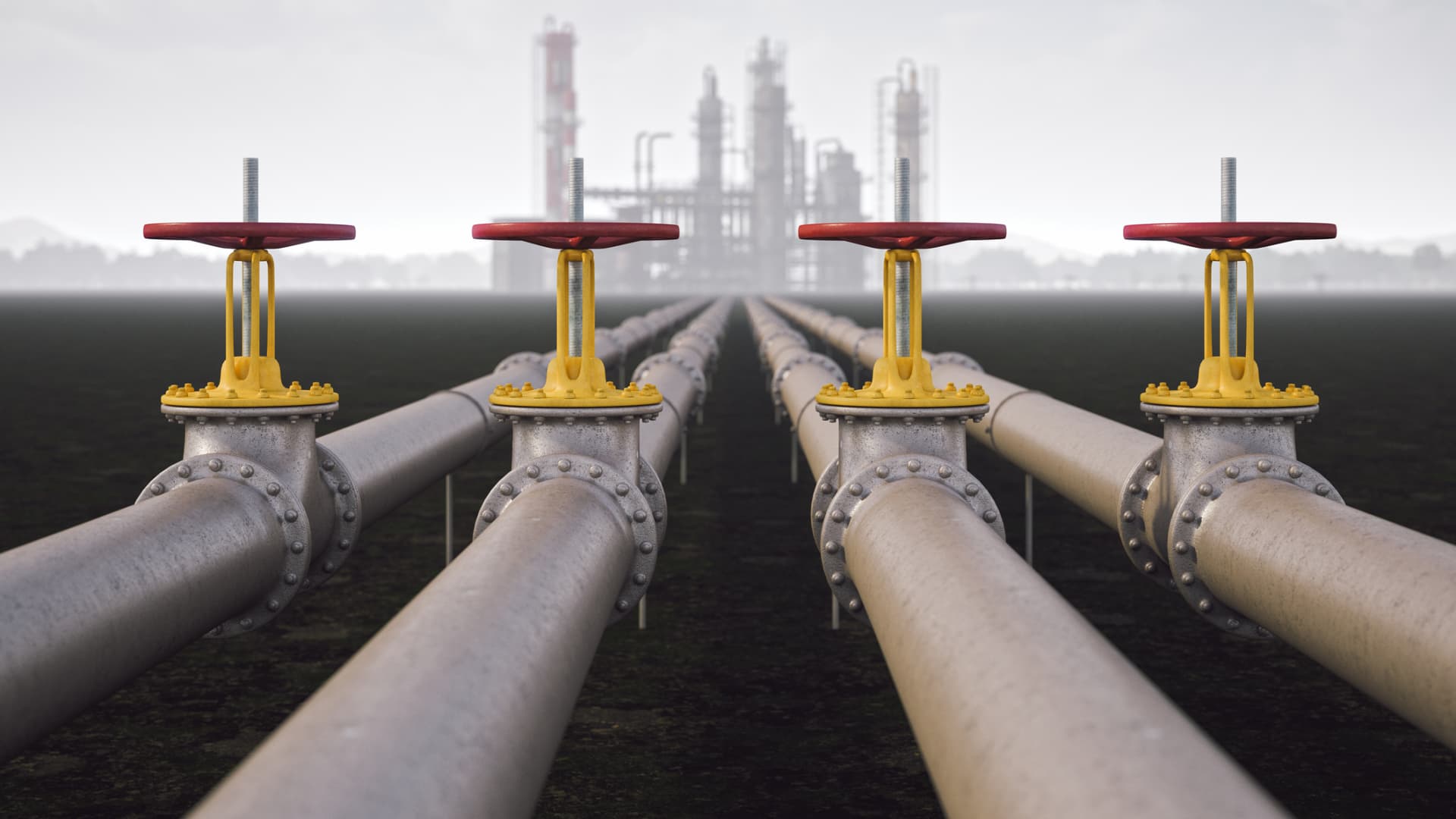
The global oil and gas sector finds itself at a critical juncture, as the impressive run of record shareholder payouts from the world’s largest energy companies faces increasing scrutiny. While crude oil benchmarks recently touched two-week highs, buoyed by progress in U.S.-China trade relations and a weakening dollar, this short-term uplift belies deeper pressures confronting the energy supermajors. Persistent downward pressure on global crude values is intensifying scrutiny on how leading oil and gas companies manage their capital, particularly regarding their steadfast pledge to return value to investors.
For years, the titans of the Western energy industry have strategically channeled significant cash flows back to shareholders through robust share buyback programs and consistent dividend distributions. This commitment serves as a cornerstone of their investor relations, aiming to foster loyalty and maintain attractive stock valuations. Following a relatively strong performance in the first quarter, many energy executives conveyed confidence in their ability to sustain these generous shareholder rewards. However, a growing chorus of financial analysts expresses skepticism, pointing to already stretched balance sheets and the significant erosion in crude prices as potential headwinds to these ambitious payout targets.
Oil Price Volatility Threatens Capital Returns
The macroeconomic environment has presented formidable challenges, with oil prices declining by more than 12% year-to-date. This downturn primarily stems from lingering concerns about global demand and the unpredictable swings in U.S. trade policy. Such market volatility has created a difficult operating landscape for the energy majors, leaving them with a scarcity of economically attractive investment opportunities that could simultaneously drive future growth and uphold competitive shareholder returns.
Industry experts, like Espen Erlingsen, head of upstream research at consultancy Rystad Energy, highlight the precarious position of companies such as Shell and ExxonMobil. These giants continue to forge ahead with substantial share repurchase initiatives even as their cash inflows diminish. This strategy raises serious questions about its long-term viability. While these majors currently maintain their commitments, a sustained period of depressed oil prices will inevitably necessitate strategic adjustments. Erlingsen suggests that share buybacks, inherently more flexible than fixed dividend payments, would likely be the first financial lever pulled. Ultimately, a weaker crude market directly translates to less available capital for distribution to shareholders.
Record Payouts: A Double-Edged Sword?
Investor apprehension regarding the sustainability of these shareholder returns follows a period of unprecedented generosity. Data from Rystad analysts reveals that the combined shareholder rewards from major players including Shell, BP, TotalEnergies, Eni, Exxon Mobil, and Chevron reached an staggering $119 billion in 2024. This figure not only represents a new peak but also significantly surpassed the previous record established in 2023, underscoring the industry’s dedication to its investors.
Examining the payout ratio further illuminates the scale of these distributions. This metric, which measures shareholder payouts as a proportion of corporate cash flow from operations (CFFO), surged to an extraordinary 56% last year. This percentage stands in stark contrast to the industry’s historical average, which typically hovered between 30% and 40% from 2012 through 2022. The sharp increase underscores a significant shift in capital allocation priorities, favoring immediate shareholder gratification over other potential uses of cash, such as debt reduction or strategic investments in future energy transition projects.
The Looming 2025 Outlook: Over 80% of Cash Flow to Investors?
The implications for 2025 are even more striking. If the energy majors were to maintain their 2024 payout levels throughout the current year, Rystad’s analysis projects an alarming scenario: these companies would effectively distribute more than 80% of their cash flow to investors. This estimate draws on the robust first-quarter CFFO performance of Big Oil as a proxy for their full-year operational capacity. Such an elevated payout ratio would push financial sustainability to its absolute limit, leaving minimal room for reinvestment in core assets, exploration, or the crucial diversification into lower-carbon energy solutions necessary for long-term resilience.
This aggressive capital distribution strategy raises concerns about the long-term health and adaptability of these companies in a rapidly evolving energy landscape. While high payouts are appealing in the short term, they can constrain a company’s ability to innovate, acquire new assets, or navigate future market downturns effectively. Investors must weigh the immediate gratification of high returns against the potential for inhibited growth and increased financial vulnerability down the line.
European Majors Under Particular Strain
For European energy majors specifically, the pressure appears even more acute. Analysts at Bank of America, in an early-year research note provocatively titled “bye-bye buybacks?”, indicated their expectation for significant cuts in share repurchase programs from these companies. Their assessment points to already strained balance sheets and the increasing demands for capital allocation towards renewable energy initiatives as key drivers behind this anticipated shift. European companies, often facing stricter environmental regulations and greater investor pressure to decarbonize, might find themselves at the forefront of adjusting their capital return frameworks to balance shareholder expectations with strategic imperatives.
Navigating the Investor Landscape
The coming months will prove pivotal for global oil and gas investors. The industry faces a delicate balancing act: upholding commitments to shareholders that delivered record payouts in 2024, while simultaneously contending with persistent commodity price weakness and the imperative for future-proof investments. As cash inflows potentially dwindle, energy leaders must make tough decisions. Investors should closely monitor company announcements regarding capital allocation, particularly any adjustments to share buyback programs and dividend policies. The durability of Big Oil’s record payouts hangs in the balance, and strategic shifts are likely on the horizon, potentially redefining the investment proposition for the sector.