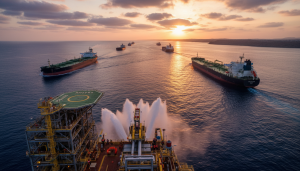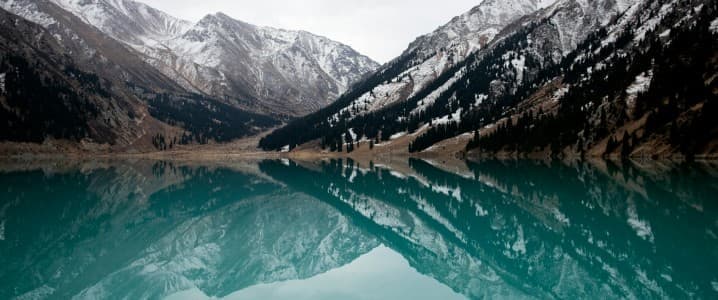
The international oil companies operating the giant Kashagan oilfield in Kazakhstan have initiated an arbitration process to challenge a massive $5-billion fine for allegedly exceeding sulfur storage limits at a processing facility at the second biggest oilfield in the OPEC+ producer.
The dispute, one of several against Big Oil that Kazakhstan currently has, is cooling the relations between the international companies and the Kazakh government.
“Despite disputing the allegations, and attempting to resolve these issues through dialogue, these efforts have not resulted in a solution,” a spokesperson for Shell told Bloomberg on Monday.
“Therefore, the international shareholders have concluded that they have no choice but to initiate a request for arbitration under international treaties,” the spokesperson added.
At the end of last year, a special administrative court in Kazakhstan upheld the environmental fine, which has led to Big Oil now seeking international arbitration.
The Kashagan oilfield is being developed by the North Caspian Project consortium of international majors and Kazakhstan’s state oil firm KazMunayGas. The shareholders in the consortium include KazMunayGas with 16.88%, Eni, Shell, ExxonMobil, and TotalEnergies with 16.81% each, China’s CNPC has an 8.33% stake, and Japan’s INPEX Ltd holds the remaining 7.56%.
Kazakhstan has several arbitration cases with as much as $166 billion in claims against the majors for damages, mostly because of lost revenues from delays at the Kashagan oilfield.
The disputes have prompted Shell to pause investment in Kazakhstan.
“We are disappointed that we can’t see alignment between the joint venture partners and the government on some of these topics. It does impact our appetite to invest further in Kazakhstan. So we watch the situation with care,” Shell’s chief executive officer Wael Sawan told analysts during the Q4 earnings call earlier this month.
“We think that there’s still a lot of potential investment opportunities in Kazakhstan, but we will hold until we have better line of sight to where things end up,” the executive added.
By Michael Kern for Oilprice.com
More Top Reads From Oilprice.com