Future Energy’s Funding Crunch Extends Oil & Gas Investment Horizon
The pursuit of limitless, clean energy often conjures images of groundbreaking scientific breakthroughs and an imminent shift away from conventional hydrocarbons. Yet, the reality of financing these ambitious ventures reveals a far more complex and protracted timeline. A recent development from General Fusion, a Canadian pioneer in magnetized target fusion (MTF) technology, offers a compelling case study. While the Vancouver-based firm, notably backed by Amazon founder Jeff Bezos, recently celebrated a significant engineering achievement, it simultaneously faces an urgent need for $125 million in fresh capital to complete its flagship project. This financial hurdle, amidst a backdrop of global economic caution, has direct implications for the long-term investment landscape, effectively extending the operational runway for the oil and gas sector.
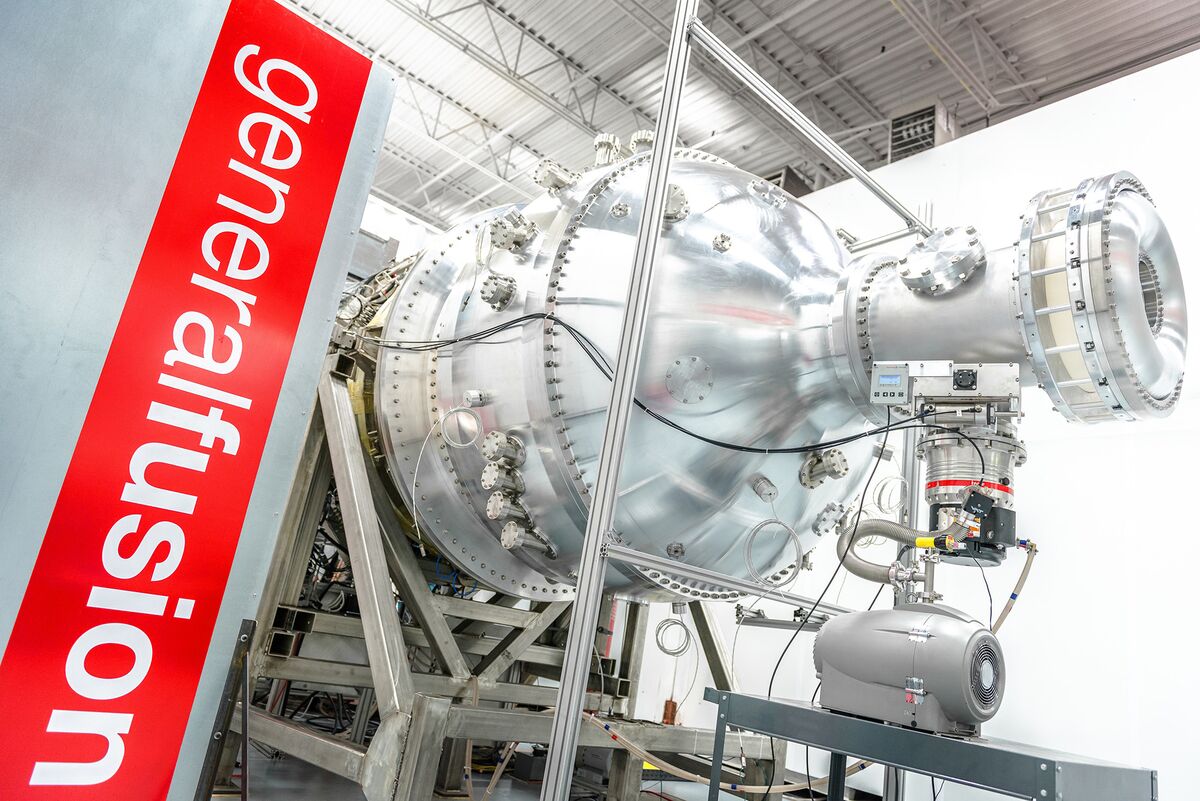
For investors monitoring the energy transition, the challenges faced by advanced energy projects like General Fusion are highly instructive. The company’s LM26 fusion demonstration machine, located in Richmond, British Columbia, represents one of the most sophisticated private-sector fusion development efforts globally. On April 29th, General Fusion announced a critical “world-first” milestone: successfully compressing a large-scale magnetized plasma. This feat is a cornerstone in the journey toward commercial fusion power, proving the device’s safe operation with fully integrated diagnostics and its ability to effectively trap a magnetic field within a lithium liner. Although the LM26 operates at half the scale of a future commercial reactor, its successful validation is crucial for demonstrating the scalability of MTF technology, moving the industry closer to a viable, grid-compatible energy solution.
Deep Tech Confronts a Cautious Capital Environment
Despite this impressive technical validation, the financial reality remains stark. General Fusion has already secured a formidable $340 million from a diverse array of government grants and private capital over its 23-year history. However, the current capital market environment has created a pressing $125 million funding gap. The global economic landscape, marked by persistent inflation, rising interest rates, and escalating geopolitical uncertainties, has fostered a palpable conservatism among investors. This shift has disproportionately impacted deep technology ventures, which typically demand vast sums of patient capital over extended periods with uncertain returns. This is a crucial point for oil and gas investors to consider: while the promise of fusion is immense, the practicalities of commercialization are proving incredibly demanding, both technically and financially.
To navigate these challenging financial headwinds, General Fusion has undertaken significant strategic adjustments, including a workforce reduction impacting approximately 25% of its staff. The company is now actively seeking strategic investors, recognizing that the current climate necessitates more targeted and long-term capital partners. CEO Greg Twinney’s candid assessment underscores the dilemma: standing at the cusp of its most exciting technical achievement, the company simultaneously confronts one of its most challenging financial periods, with securing the necessary capital now identified as the sole remaining hurdle. For oil and gas investors, this scenario highlights the enduring value proposition of established energy assets that generate predictable cash flows and offer clearer investment horizons, especially when compared to the multi-decade development cycles of nascent technologies.
Implications for Oil & Gas Investors: An Extended Runway
The protracted path to commercializing advanced energy solutions like fusion has direct and significant implications for the oil and gas sector. As projects requiring immense capital and long development timelines face funding bottlenecks, the world’s reliance on conventional energy sources is inevitably extended. This provides a longer “runway” for existing oil and gas assets, reinforcing their critical role in global energy security and supply. Investors in the fossil fuel sector can find reassurance in the continued necessity of reliable, dispatchable power that traditional energy sources provide, especially as next-generation technologies grapple with the realities of scaling and financing.
The significant capital expenditure and lengthy investment horizons inherent in projects aimed at deep decarbonization, such as fusion, underscore the substantial financial risks involved. General Fusion’s journey exemplifies this, having adapted its technology roadmap multiple times, including pausing a UK-based demonstration project in 2023 to singularly focus on the LM26’s development. Such strategic pivots, while necessary for survival, push out commercialization timelines and make near-term returns elusive. This contrast sharply with many oil and gas investments, which, despite cyclical volatility, often offer more tangible project timelines, established production profiles, and clearer paths to profitability.
Fusion’s Promise vs. O&G’s Pragmatism
While fusion energy holds the ultimate promise of clean, abundant power, its commercial deployment is still decades away, even with successful technical demonstrations. The current funding challenges facing a prominent player like General Fusion serve as a powerful reminder of the immense financial and engineering hurdles that remain. For oil and gas investors, this reinforces the pragmatic view that fossil fuels will continue to be an indispensable component of the global energy mix for the foreseeable future. The extended timelines for truly transformative energy technologies mean that investments in efficient, low-carbon oil and gas production, coupled with strategic diversification into proven renewable energy projects, remain compelling strategies.
The current capital crunch in deep tech energy is not merely a setback for one company; it’s a bellwether for the broader energy transition. It signals that while the aspiration for a carbon-neutral future is strong, the journey will be prolonged and capital-intensive. This environment ensures that traditional energy companies, particularly those with robust balance sheets and a focus on operational excellence, will continue to play a pivotal role in meeting global energy demand. Investors should closely monitor advancements in fusion and other cutting-edge technologies, but for the foreseeable future, the bedrock of energy security and reliable returns remains firmly rooted in the proven capabilities of the oil and gas sector.


