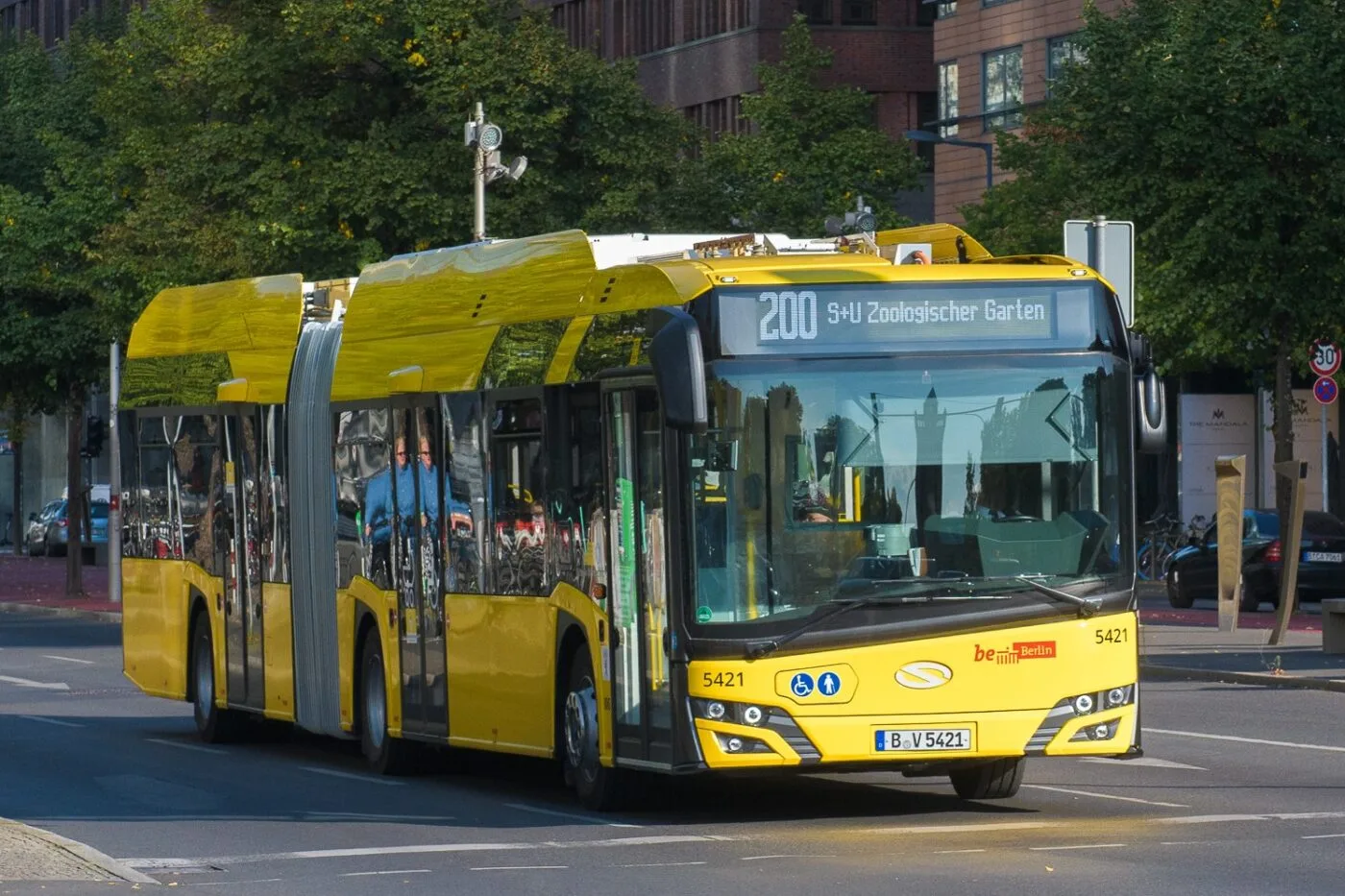
The global energy landscape is constantly evolving, with shifts in technology and policy creating both headwinds and tailwinds for investors in traditional oil and gas. A recent significant order from Berlin’s public transport provider, Berliner Verkehrsbetriebe (BVG), for 270 articulated electric buses from Solaris, alongside a broader framework agreement for up to 700 units, offers a microcosm of these dynamic forces. While seemingly a localized development, this decision, coupled with BVG’s revised electrification targets and embrace of alternative fuels like HVO100, provides critical insights into the pace of energy transition, the durability of certain hydrocarbon demands, and emerging investment themes for astute energy portfolios.
Urban Electrification: A Clear Signal for Demand Erosion
The commitment by a major European capital to electrify its public transport fleet is a definitive, albeit gradual, signal of eroding diesel demand. BVG’s initial order for 50 electric buses, expected for delivery this year, will soon be augmented by the newly announced 270 units. This means that by the end of 2026, approximately 280 of BVG’s 1,500-strong bus fleet will be purely electric. Looking further ahead, the operator aims to have at least 500 electric buses in operation by 2027, representing a significant one-third of its total fleet. Each electric bus replacing a diesel equivalent translates directly into reduced fuel consumption for a key segment of the transport sector. While the immediate impact on global oil demand is marginal, the trend is undeniable. As more cities follow suit, particularly in policy-driven regions like Europe, the cumulative effect will become increasingly material for refined product markets, challenging long-term demand assumptions for diesel.
The Nuance of Transition: HVO100 as a Bridge Fuel
Despite the strong push for electrification, Berlin’s journey highlights the practical complexities and cost pressures influencing the pace of energy transition. BVG has softened its ambitious target of complete electrification by 2030, now aiming for “sometime well into the 2030s.” This revision underscores that even with political will and technological advancements, the sheer scale and infrastructure requirements for a full transition are substantial. Furthermore, BVG CEO Henrik Falk foresees HVO100 (Hydrotreated Vegetable Oil) playing a crucial role for the remaining 10-20% of the fleet by 2035. This is where the demand narrative becomes more intricate. HVO100, derived from waste and residual materials, offers a “drop-in” solution that utilizes existing diesel infrastructure, providing an immediate path to lower emissions without requiring fleet overhauls or extensive new charging grids. For investors, this signals a potential investment opportunity in advanced biofuels, but also a supply constraint challenge. Experts caution that the demand for waste-based feedstocks will intensify, competing with the burgeoning Sustainable Aviation Fuel (SAF) and maritime decarbonization sectors, potentially driving up costs and limiting scalability. This creates a fascinating dynamic: while traditional diesel demand shrinks, demand for its cleaner, bio-based derivatives could surge, requiring distinct investment strategies.
Navigating Macro Headwinds: Oil Prices and Investor Outlook
These micro-level demand shifts in urban transport unfold against a complex macroeconomic backdrop that currently keeps oil markets on edge. As of today, Brent Crude trades at $95.07, showing a modest daily increase of 0.3%, within a day range of $91-$96.89. WTI Crude is at $91.89, up 0.67%. Despite these daily fluctuations, the broader trend has seen Brent retreat by nearly 9% over the past 14 days, falling from $102.22 to $93.22. This softening in prices, even as geopolitical tensions simmer, reflects a cautious market grappling with global economic signals and persistent supply-side uncertainty. Investors are keenly asking about base-case Brent price forecasts for the next quarter and consensus outlooks for 2026. While the Berlin EV bus deal doesn’t single-handedly dictate short-term prices, it contributes to the long-term demand erosion narrative that influences these forecasts. Analysts are increasingly factoring in the gradual, yet consistent, displacement of refined products in specific sectors, which can cap upside potential for crude even amid supply shocks. The market’s current volatility, evident in the recent price retreat, suggests a fragile equilibrium where even modest shifts in demand, alongside supply decisions, can have outsized impacts.
Forward Signals: Upcoming Events and Strategic Positioning
For forward-looking investors, the interplay between these structural demand shifts and upcoming market events is paramount. The next two weeks are packed with critical catalysts. We await the Baker Hughes Rig Count reports on April 17th and 24th, which offer insights into North American supply dynamics. More importantly, the OPEC+ Joint Ministerial Monitoring Committee (JMMC) meeting on April 18th, followed by the Full Ministerial Meeting on April 20th, will be under intense scrutiny. These meetings are crucial for assessing the producers’ strategy regarding output levels, directly impacting global supply and, consequently, price stability. Will OPEC+ maintain current cuts, or will demand concerns prompt a shift? Any decision here will directly influence the short-to-medium-term price trajectory, interacting with the longer-term demand erosion seen in sectors like urban transport. Furthermore, the API Weekly Crude Inventory reports on April 21st and 28th, alongside the EIA Weekly Petroleum Status Reports on April 22nd and 29th, will provide real-time snapshots of U.S. supply and demand. These reports are vital for gauging the immediate health of the market. Investors must weigh these near-term supply-side decisions and inventory data against the ongoing, structural demand shifts exemplified by Berlin’s EV bus adoption. While traditional oil and gas companies face evolving demand profiles, opportunities arise in areas like sustainable fuels, carbon capture, and infrastructure supporting the energy transition, demanding a nuanced and adaptable investment approach.


