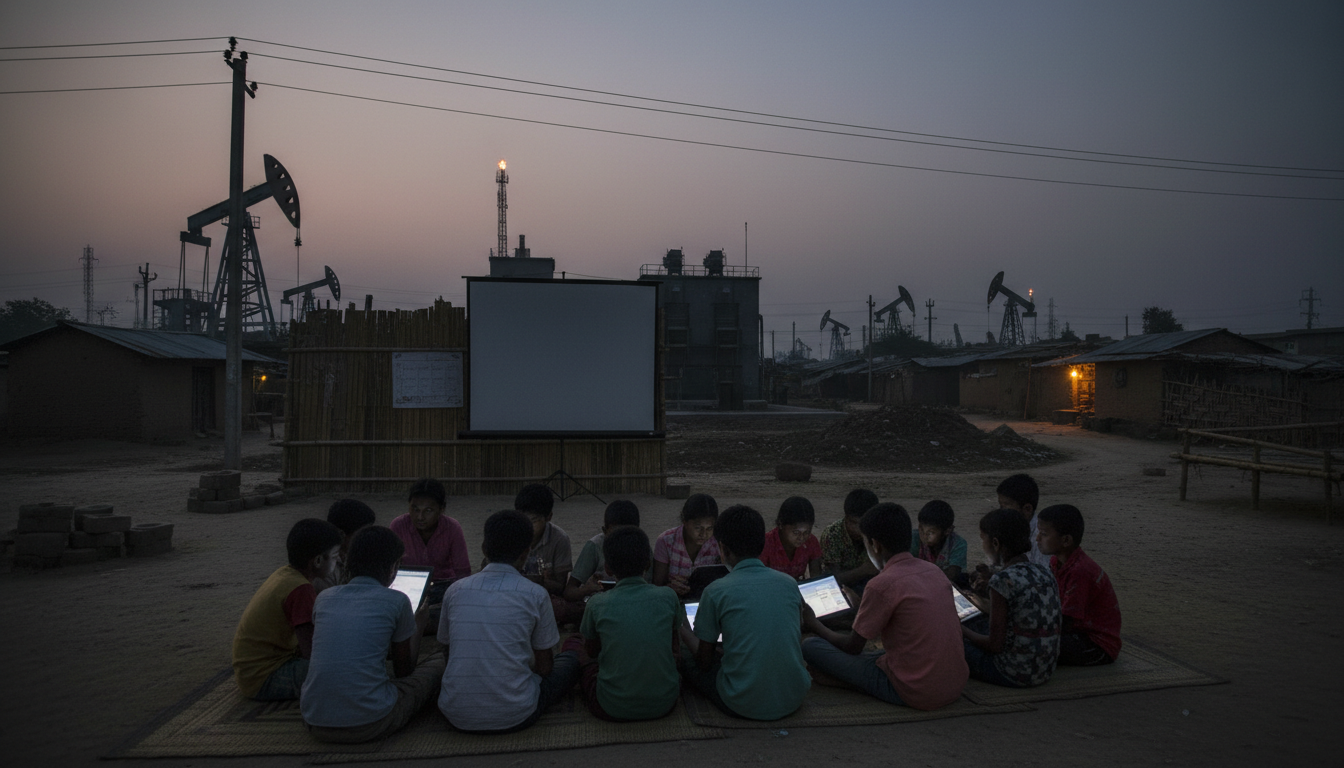
The global energy landscape continues to present formidable challenges for import-dependent nations, with Bangladesh emerging as a stark example of the critical pressures facing developing economies. As geopolitical tensions escalate in the Middle East, this South Asian nation of 170 million people, heavily reliant on external energy sources, is implementing an innovative educational overhaul to mitigate a burgeoning energy crisis. This unprecedented move underscores the severe economic ramifications of volatile global oil and gas markets on national policy and daily life.
Bangladesh’s Energy Vulnerability Unmasked
Bangladesh imports a staggering 95 percent of its oil and natural gas requirements, with a significant portion traditionally sourced from the Middle East. The recent intensification of conflict in this vital region has inevitably constricted global supply lines and driven up commodity prices, placing immense strain on Bangladesh’s national budget and energy security. This profound dependence leaves the nation highly exposed to international energy price fluctuations and geopolitical instability, directly impacting its economic growth trajectory and the fiscal health of the government.
Hybrid Education: A Novel Energy Conservation Strategy
In response to the escalating energy crunch, Bangladesh is set to pilot a hybrid school system starting next week, blending virtual and in-person instruction. Education Minister ANM Ehsanul Hoque Milon revealed that this initiative aims to significantly reduce energy consumption across the educational sector. The proposed schedule will see students attending physical classes on Saturdays, Mondays, and Wednesdays, while transitioning to online learning for Sundays, Tuesdays, and Thursdays. This “blended education” model is a direct attempt to trim the national energy bill by minimizing the operational demands of educational institutions on several days of the week.
The minister elaborated on the selective implementation of this pilot program, indicating that participation will be restricted to institutions with established capacities for virtual instruction, a strong reputation, robust student enrollment, and a student body predominantly commuting by car. This targeted approach suggests an understanding that successful implementation requires specific infrastructure and demographic characteristics, ensuring the pilot’s effectiveness before broader rollout. From an investment perspective, such demand-side management strategies in energy-constrained economies offer insights into the ingenuity governments must employ to navigate commodity shocks.
Broader Government Measures and Economic Headwinds
The education sector’s pivot is not an isolated incident but rather one component of a wider government strategy to curb fuel consumption and conserve power. Authorities have already enacted measures such as imposing limits on fuel purchases for various sectors and mandating energy-saving practices within government offices, including switching off lights and reducing air conditioning usage. These policy actions collectively paint a picture of a nation grappling with the immediate fiscal and economic implications of high energy import costs.
The World Bank recently issued a stern warning regarding the potential economic fallout for Bangladesh. The international financial institution highlighted that a prolonged conflict in the Middle East could trigger a cascade of negative consequences, including a notable surge in domestic inflation. This inflationary pressure would erode purchasing power and consumer confidence. Furthermore, the rising cost of energy subsidies would significantly reduce the government’s fiscal space, limiting its ability to invest in other critical development areas. Compounding these challenges, a weaker current account is anticipated due to elevated import costs, potentially dampened export revenues, and a projected decrease in remittances from Bangladeshi expatriates working abroad. These macroeconomic indicators are crucial for investors monitoring the nation’s financial stability and sovereign risk.
Investment Implications in a Volatile Energy Market
Bangladesh’s proactive measures, though focused on immediate relief, underscore a growing imperative for long-term energy security and diversification in import-reliant economies. For investors in the global oil and gas sector, this situation highlights the intrinsic link between geopolitical stability, commodity prices, and the economic health of key emerging markets. The need for countries like Bangladesh to develop indigenous energy sources, accelerate the transition to renewable energy, and enhance energy efficiency presents both risks and opportunities. While high import bills strain national finances, they also create a compelling case for domestic and foreign investment in sustainable energy infrastructure, potentially altering future energy demand profiles.
The tax-free import policy for electric buses for schools, announced alongside the education reforms, offers a glimpse into a potential future pathway. This incentive aims to promote electric vehicle adoption within a specific sector, signalling a nascent shift towards cleaner transportation and reduced fossil fuel dependence. Such policies, if expanded, could create new investment avenues in electric vehicle charging infrastructure, battery technology, and renewable power generation to support these initiatives. For investors, monitoring these policy signals can provide valuable insights into emerging market trends and future growth sectors.
Outlook for Bangladesh and Energy Investors
Bangladesh’s current predicament serves as a potent reminder of how swiftly global events can ripple through national economies, compelling innovative and sometimes drastic responses. The adoption of a hybrid school system to manage energy demand is a testament to the severity of the challenge. For oil and gas investors, understanding these micro-level adaptations in consumer behaviour and national policy is crucial for forecasting long-term demand trends and assessing geopolitical risks. The ongoing fiscal pressures, inflationary environment, and current account vulnerabilities will shape Bangladesh’s economic trajectory in the coming months and years, making it a critical case study in the broader narrative of global energy market resilience and adaptation.