Investment Giant Baillie Gifford Confronts Mounting Divestment Pressure Over Energy Holdings
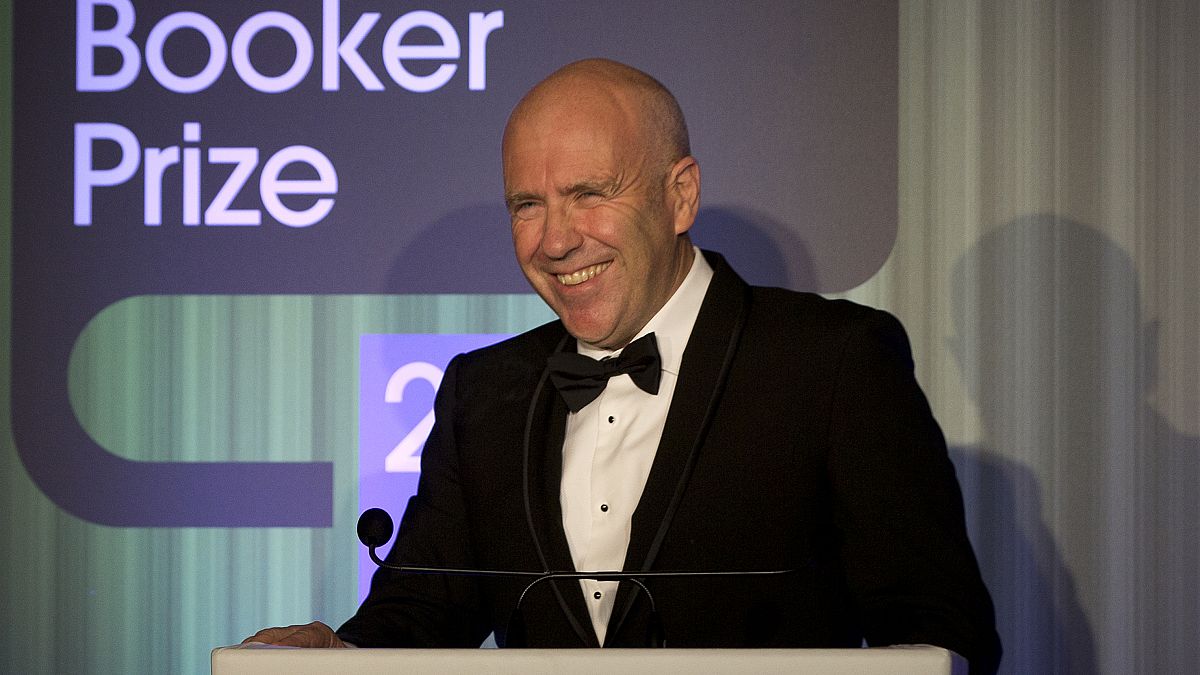
A significant development is reverberating across the financial and literary landscapes, casting a spotlight on the investment strategies of Baillie Gifford. Acclaimed Australian author Richard Flanagan recently made headlines by publicly declining a prestigious £50,000 (€60,000) literary prize. His unequivocal reason: the Scottish investment management firm’s substantial financial ties to the fossil fuel sector. Flanagan’s decision, articulated from the Tasmanian rainforest, underscores a rapidly intensifying global trend demanding greater accountability from financial institutions regarding their traditional energy investments, directly impacting portfolios with exposure to oil and gas.
Flanagan, celebrated for his introspective memoir “Question 7,” which intricately explores themes of autobiography, family heritage, and the genesis of the atomic age, did not frame his rejection as outright condemnation. Instead, he extended an invitation for direct dialogue with Baillie Gifford’s board. His motivation stems from a profound personal and environmental conviction, aiming to convey how fossil fuels are “destroying our country.” This high-profile incident immediately intensified scrutiny on the investment firm’s significant energy sector exposure, rekindling a debate that has been steadily gaining momentum for over a year regarding the ethical and financial implications of such holdings.
Escalating Scrutiny on Oil and Gas Sector Investments
Baillie Gifford first faced widespread public and professional criticism concerning its investment philosophy in August 2023. At that time, more than 50 prominent literary figures threatened to boycott the prestigious Edinburgh Book Festival. Their collective grievance focused on the firm’s considerable investments in corporations deriving significant profits from fossil fuel operations. Reports from that period indicated Baillie Gifford maintained approximately £4.5 billion (€5.3 billion) in companies deeply embedded within the oil and gas industry. This substantial financial footprint within the traditional energy sector positions the firm as a prominent and visible target for environmental advocacy groups and those pushing for divestment from carbon-intensive assets.
The firm’s long-standing role as a vital sponsor for numerous major literary festivals across the United Kingdom, including the Hay, Borders, and Cheltenham Book Festivals, alongside the Edinburgh Book Festival and the Edinburgh Fringe Festival, has inadvertently amplified the impact of these divestment campaigns. These sponsorships, intended to foster cultural endeavors, have instead become focal points for activist pressure, demonstrating how corporate associations can introduce significant reputational risks for investment firms with traditional energy holdings.
Activist Campaigns Force Reevaluation of Corporate Ties
The activist group Fossil Free Books has proven particularly effective in its advocacy. Their persistent lobbying efforts have successfully compelled several high-profile literary events to terminate their partnerships with Baillie Gifford. The Hay Festival, Edinburgh International Book Festival, Wigtown Book Festival, and Borders Book Festival have all announced the cessation of their affiliations, highlighting the tangible impact of sustained activist pressure on corporate sponsorships. This sequence of events sends a clear signal to investment firms: their portfolio composition can directly influence their ability to engage in broader public relations and community initiatives without facing significant backlash.
While similar demands were directed at the Edinburgh Fringe Festival, its leadership took a different stance. CEO Shona McCarthy and the festival’s board ultimately voted to maintain their affiliation with Baillie Gifford. This decision underscores the varied responses within the corporate and cultural sectors to investor pressure and divestment campaigns, reflecting complex considerations balancing financial stability, artistic freedom, and public perception. For investors, these divergent outcomes reveal the unpredictable nature of ESG-related controversies and their potential to disrupt established corporate relationships, adding another layer of risk to traditional energy investments.
Expanding Scope: Beyond Traditional Fossil Fuel Divestment
The scope of the divestment movement targeting Baillie Gifford has begun to expand significantly beyond its initial focus on fossil fuels. This evolving landscape suggests a broader trend where investment firms face increasing pressure to align their portfolios with a wider array of environmental, social, and governance (ESG) criteria. Following the complex geopolitical events of October 7 and the subsequent Israeli military actions in the Gaza Strip, activist demands have begun to encompass investments perceived as supporting or profiting from conflict. This expansion indicates that public and investor scrutiny is no longer confined to climate change concerns but is broadening to include human rights, geopolitical stability, and ethical supply chain considerations.
For investors monitoring the oil and gas sector, this evolving activism represents a critical development. It signals that the reputational and financial risks associated with traditional energy holdings are becoming more multifaceted. Investment firms like Baillie Gifford, with diverse portfolios, must now navigate an increasingly complex web of stakeholder expectations. The pressure to divest, once primarily focused on environmental impact, now extends to a broader spectrum of social and ethical concerns, demanding a more holistic approach to portfolio management and corporate responsibility. This widening lens of scrutiny could introduce new layers of volatility and uncertainty for companies operating within the oil and gas industry, as investment capital may increasingly be directed away from firms perceived to have adverse social or environmental impacts, regardless of their direct fossil fuel exposure.
The ongoing situation with Baillie Gifford serves as a potent case study for the entire oil and gas investment community. It highlights the growing power of public sentiment and activist campaigns to influence major financial institutions. As ESG factors continue to gain prominence, investment firms must proactively assess and mitigate the risks associated with their holdings, not only in terms of environmental impact but also across the full spectrum of social and governance issues. The ability to effectively navigate these pressures will be crucial for maintaining investor confidence, attracting capital, and safeguarding corporate reputation in an increasingly interconnected and ethically conscious global market.