Space Tourism’s Soaring Ambitions: A New Catalyst for Energy Sector Demand?
As humanity increasingly gazes skyward, the burgeoning commercial space industry presents a fascinating new frontier, not just for adventurous billionaires, but for investors keenly tracking future energy consumption. Axiom Space, a prominent player in this nascent sector, is carving out a high-end niche in orbital tourism and exploration, with price tags that starkly underscore the immense capital and energy expenditure inherent in reaching beyond Earth’s atmosphere. For the discerning investor in oil and gas, understanding the long-term industrial implications of such ventures is paramount.
Axiom Space’s offering stands apart from typical suborbital joyrides. While competitors like Blue Origin demand a $150,000 refundable deposit for a seat, and once auctioned a ticket for $28 million, or Virgin Galactic whose tickets previously fetched $600,000 and are set to climb, Axiom’s price point for a private astronaut mission hovers around a staggering $70 million. This premium reflects a dramatically different experience: not an 11-minute ascent into weightlessness, but a multi-day residency aboard the International Space Station (ISS).
The True Cost of Orbital Access: Beyond the Ticket Price
Tejpaul Bhatia, CEO of Axiom Space, illuminates the comprehensive value embedded in that $70 million figure. It covers far more than just transportation; it encompasses a rigorous, year-long astronaut training program, meticulously designed to meet stringent NASA standards, albeit tailored for private individuals. These missions, extending for approximately two weeks on the ISS, represent a full-scale enterprise requiring extensive logistical coordination, sophisticated life support systems, and robust ground infrastructure. Bhatia, often humorously referred to as an “astronaut whisperer,” notes that individuals funding their own journeys often invest substantially beyond the listed ticket price, indicating the profound commitment demanded by true space exploration.
From an energy perspective, this extended duration and intensive preparation translate into substantial demand. The manufacturing of complex components for orbital modules, the energy required for year-long training simulations, and the ongoing power needs for mission control operations all draw heavily on terrestrial energy grids. While the rocket propellant itself is a direct energy input, the upstream industrial processes—from raw material extraction to advanced manufacturing of composites and electronics—are fundamentally reliant on a stable and robust energy supply, much of which still originates from traditional fossil fuel sources and their derivatives.
Industrial Echoes: Energy Demands of a Growing Space Economy
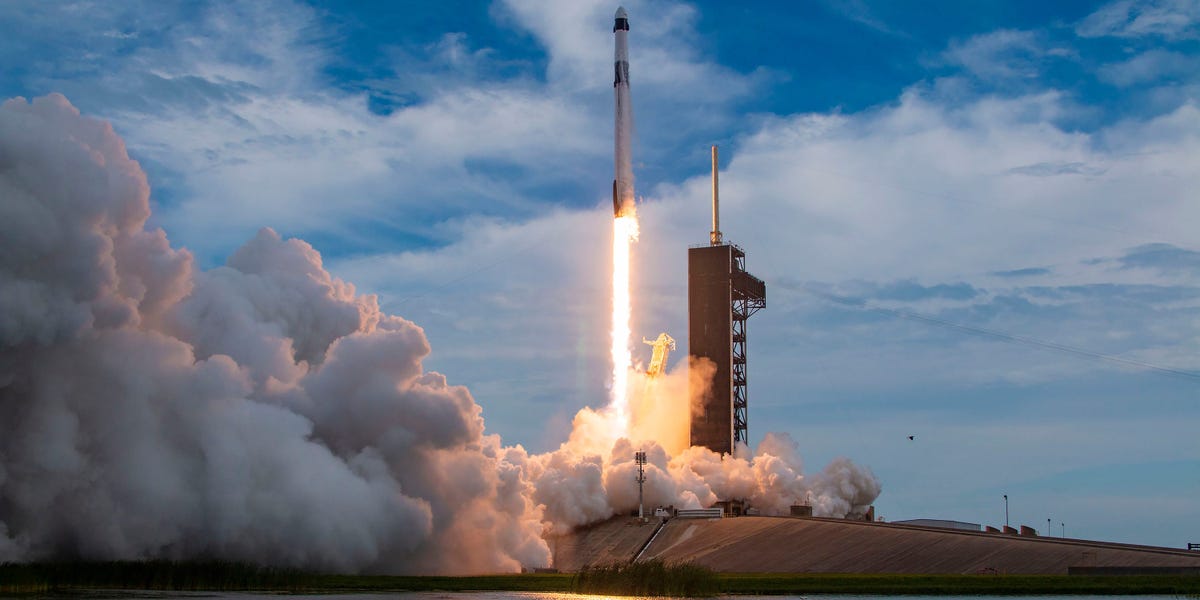
Axiom Space’s operational model further highlights the intricate web of industrial dependencies. The company does not fabricate its own launch vehicles or spacecraft. Instead, it strategically partners with established aerospace giants like SpaceX to ferry its trained astronauts into orbit. This collaborative approach underscores a crucial point for energy investors: the expansion of the space economy is not confined to a few specialized firms; it creates ripple effects across a vast industrial supply chain. Each launch, each manufacturing contract for a new module or component, fuels demand for specialized metals, advanced polymers, and high-performance fuels, many of which trace their origins back to the oil and gas and petrochemical sectors.
The energy expenditure for producing materials with extreme tolerances for space environments—heat shields, structural components, advanced electronics—is immense. Petrochemical feedstocks are critical for many lightweight, high-strength composites and polymers essential for modern spacecraft design. As the volume of space missions increases, so too will the industrial energy footprint required to support this new frontier.
Governmental Impetus and Energy Capital Flows
Axiom’s outreach extends beyond private individuals to include nations, space agencies, researchers, and various organizations, with pricing adjusted on a case-by-case basis based on mission alignment. Their forthcoming AX-4 mission, for example, includes government contracts with India, Poland, and Hungary. For sovereign states, the $70 million price tag, while significant, represents an “orders of magnitude less” investment than establishing an independent human spaceflight program from scratch. To illustrate this, the United States’ historic Project Apollo incurred a cost of approximately $25.8 billion.
This governmental interest in accessing orbital capabilities, even via commercial providers, signifies a broader global trend towards space utilization. Each national space ambition, whether directly funded or outsourced, translates into massive capital flows that ultimately energize industrial production and technological development. These investments flow into research and development, manufacturing facilities, and launch infrastructure, all of which are major consumers of energy. The sustained operation of ground control centers, extensive data processing, and the sheer logistical effort involved in coordinating international space missions further contribute to a growing, albeit indirect, demand for reliable energy sources.
Investing in the Orbital Future: Long-Term Energy Implications
The trajectory of space tourism and exploration, spearheaded by companies like Axiom Space, offers a compelling, long-term thesis for oil and gas investors. While direct fuel consumption for rockets is a visible component, the more profound impact lies in the sprawling industrial ecosystem that supports and enables this celestial endeavor. From the energy-intensive production of advanced materials and specialized fuels to the power demands of manufacturing facilities and ground infrastructure, the expansion of the space economy will inevitably drive sustained demand across various energy sectors. As more nations and private entities seek to access the cosmos, the foundational energy and petrochemical industries will play an increasingly critical role in fueling this ambitious new chapter for humanity, presenting robust investment opportunities for those with a long-term vision.