Auto Tariff Relief Fuels Oil Demand Upside
A significant recalibration of US trade policy within the automotive sector is poised to trigger profound shifts in manufacturing strategies, consequently impacting the global energy demand outlook. The Biden administration recently announced crucial adjustments to the existing 25% tariffs on imported automobiles and their components. These revisions introduce targeted exemptions, strategically designed to ease financial burdens on vehicle manufacturers demonstrating a commitment to bolstering domestic production. This pivotal policy change takes effect immediately, with its provisions retroactively applied to early April, signaling a clear intent to accelerate onshore investment and manufacturing capabilities.
Unpacking the Tariff Adjustments and Policy Intent
The essence of this policy overhaul lies in its strategic incentive structure. Rather than a blanket removal of tariffs, the administration has opted for a surgical approach, carving out specific exemptions for companies that invest in US-based production facilities, especially those focusing on high-value components or advanced manufacturing processes. This move aims to de-risk capital expenditure for automakers considering re-shoring or expanding their operations within the United States. For oil and gas investors, understanding this nuance is critical; it’s not just about cheaper imports, but about a deliberate push towards domestic industrial expansion, which inherently carries a higher energy intensity footprint in many cases. The retroactive application further sweetens the deal, offering immediate financial relief and potentially encouraging quicker investment decisions by alleviating past tariff liabilities for qualifying activities.
Revitalizing Domestic Automotive Production and Supply Chains
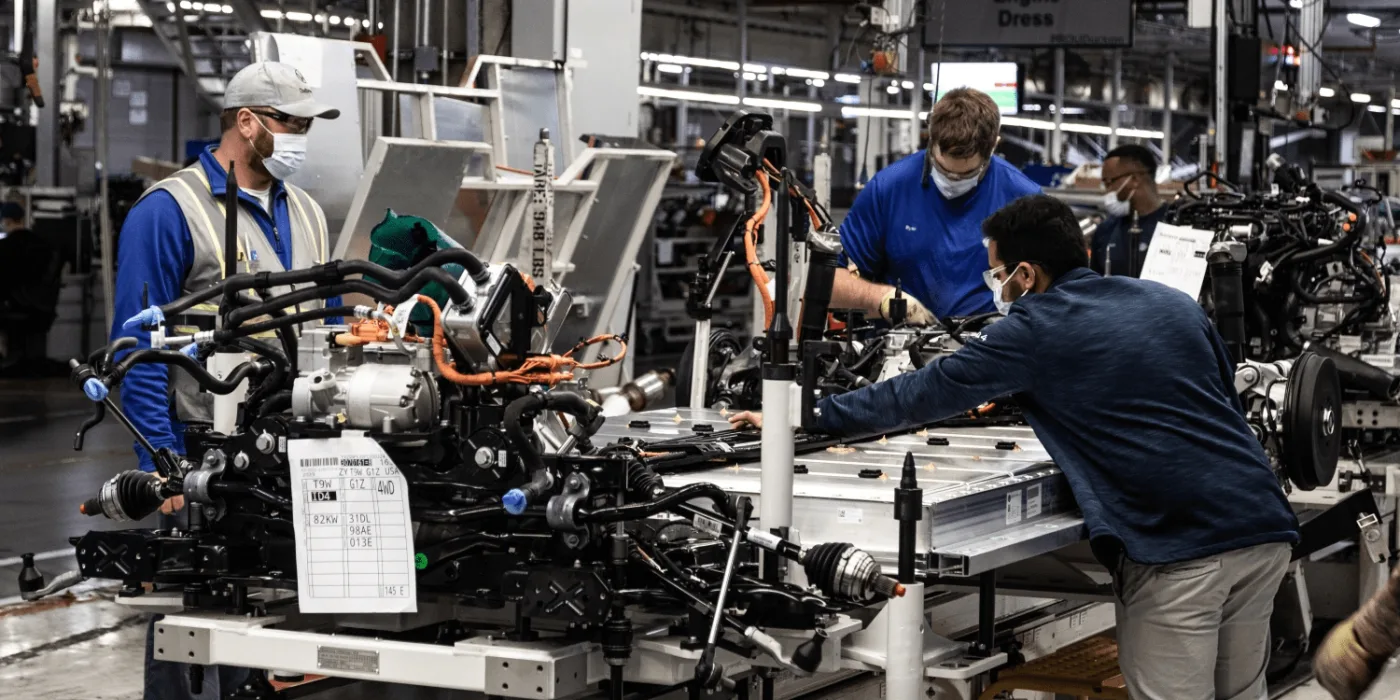
This strategic tariff relief is expected to ignite a new wave of investment across the US automotive supply chain. Automakers, previously navigating the complexities and costs associated with the 25% tariffs, now have a clearer pathway to justifying significant domestic capital expenditure. This will likely translate into expanded factory footprints, the establishment of new production lines, and a heightened demand for skilled labor. The ripple effect extends beyond final vehicle assembly to critical component manufacturing, including batteries for electric vehicles, advanced electronics, and specialized materials. Such re-shoring and expansion efforts are not merely economic boons; they represent a tangible increase in industrial activity, each stage demanding substantial energy inputs, from construction and initial setup to ongoing operations and logistics.
The Energy Nexus: Driving Petroleum Demand
The direct correlation between a revitalized US automotive manufacturing sector and increased oil demand presents a compelling narrative for energy investors. Firstly, the expansion of industrial facilities and the subsequent surge in production cycles will necessitate greater consumption of industrial fuels. Diesel will power heavy machinery, transport logistics, and on-site generators, while natural gas and electricity (often generated from fossil fuels) will drive factory operations, heating, and cooling. Secondly, the domestic movement of raw materials, intermediate components, and finished vehicles across the vast US logistics network will significantly boost demand for transportation fuels, predominantly diesel for trucking and rail.
Beyond the manufacturing floor, the policy’s broader economic stimulus – through job creation and increased wages in the automotive sector – is likely to enhance consumer purchasing power. A robust job market and a resurgence in manufacturing confidence typically lead to higher consumer spending, including the purchase of new vehicles. More vehicles on American roads inevitably translate into greater gasoline consumption, especially as the average mileage driven increases. While the long-term shift towards electric vehicles remains a factor, the immediate and medium-term impact of heightened internal combustion engine vehicle sales and usage cannot be understated for petroleum demand. This policy, therefore, acts as a significant tailwind for both industrial and consumer-grade petroleum products.
Investor Implications for Oil & Gas Stakeholders
For investors in the oil and gas sector, these developments signal a tangible upside potential. Upstream exploration and production companies could see sustained demand for crude oil, supporting price stability and potentially driving future investment in new wells. Midstream operators, responsible for transporting crude oil and refined products, stand to benefit from increased volumes flowing through pipelines, storage terminals, and rail networks. Refiners, particularly those strategically located near automotive manufacturing hubs, could experience stronger refining margins as demand for gasoline and diesel rises to meet both industrial and consumer needs. This policy-driven demand boost offers a degree of resilience against broader market fluctuations and warrants close monitoring for those assessing investment opportunities across the energy value chain.
Broader Market Context and Outlook
While the US automotive tariff relief primarily impacts domestic manufacturing, its implications ripple through global oil markets. A stronger US industrial base, supported by domestic energy consumption, contributes to overall global demand strength. This policy should be viewed within the context of other macroeconomic factors influencing crude oil prices, including global economic growth forecasts, geopolitical stability, and OPEC+ production decisions. However, the targeted and immediate nature of this policy adjustment provides a distinct, identifiable catalyst for increased petroleum demand that is largely independent of these broader, more volatile variables. Investors should integrate this domestic demand driver into their long-term models, recognizing its potential to provide a foundational lift to US oil consumption.
In conclusion, the Biden administration’s strategic auto tariff exemptions are more than just a trade policy tweak; they represent a deliberate effort to energize domestic manufacturing. For the oil and gas sector, this translates directly into a compelling upside for petroleum demand across industrial operations, logistics, and consumer fuel consumption. Savvy investors will recognize this policy as a significant bullish signal, warranting careful consideration in their portfolio strategies for the coming quarters and years.