The energy investment landscape is a complex tapestry woven from geopolitical shifts, technological advancements, and evolving policy frameworks. Currently, Australia presents a compelling case study in this intricate dynamic, as recent signals from its Liberal party suggest a potential retreat from the nation’s net zero by 2050 targets. This policy uncertainty sends ripples through global markets, influencing investor sentiment and capital allocation decisions in an era already defined by energy transition debates. For oil and gas investors, understanding these nuanced shifts is crucial, as they can redefine long-term risk and opportunity profiles across the energy spectrum.
Policy Crossroads: Australia’s Net Zero Retreat and Investor Confidence
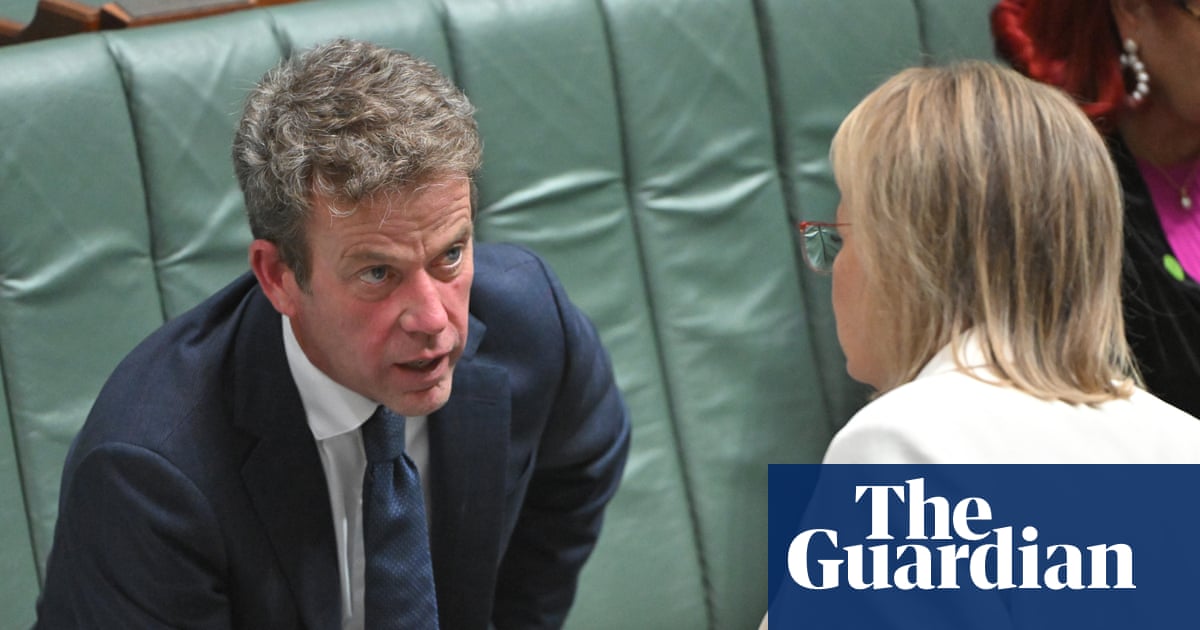
Australia’s shadow energy minister recently outlined the Liberal party’s evolving stance, emphasizing a stable, reliable, and affordable energy grid alongside responsible emissions reductions. However, this rhetorical pivot, which suggests abandoning the net zero by 2050 target, faces significant scrutiny. From an investor perspective, such a move could undermine confidence in Australia’s commitment to the global energy transition, potentially impacting foreign direct investment in clean energy projects. The Paris climate agreement, for instance, requires signatory nations not to backtrack on their emissions targets. Any perceived deviation could signal an increased risk premium for green investments, while paradoxically, it might be interpreted by some as a short-term reprieve for traditional fossil fuel projects, albeit at the cost of long-term economic stability.
Economic analysis commissioned by the Albanese government highlights the potential ramifications of weakening emissions reduction efforts. Treasury’s findings suggest a detrimental impact on investment, job creation, and the broader economy, with projections indicating a potential 4% reduction in real wages by mid-century. This underscores that climate policy is not merely an environmental issue but a fundamental economic one, directly influencing a nation’s competitive standing and future prosperity. Investors are acutely aware that policy instability can deter capital, regardless of the sector.
The Economic Reality Check: Renewables vs. Fossil Fuels
Amidst the political debate, the economic reality of energy generation continues to evolve rapidly. Research from Griffith University, for example, demonstrated that had Australia relied solely on coal and gas instead of pursuing renewables, electricity generation costs today could be as much as 50% higher. This counter-intuitive finding challenges the traditional narrative that fossil fuels are inherently the cheaper option, particularly as commodity prices fluctuate, building costs escalate, and clean energy technology continues its rapid advancement.
The private market has already begun to digest this reality. Despite years of “climate wars” causing delays, businesses in Australia have been investing heavily in renewables over fossil fuels. This trend signals a clear understanding among private capital that the long-term economic advantages, coupled with environmental and social governance (ESG) pressures, favor green energy solutions. For investors, this creates a dilemma: align with long-term economic trends and private capital flows towards renewables, or bet on a political shift that might temporarily extend the lifespan of traditional assets but introduces significant policy risk.
Navigating Market Volatility Amidst Policy Uncertainty
The backdrop of this Australian policy debate is a global energy market grappling with significant volatility. As of today, Brent crude trades at $90.38, reflecting a substantial 9.07% decline within the day, with its price fluctuating between $86.08 and $98.97. This daily movement follows a broader trend, with Brent having fallen by nearly 20% from $112.78 just two weeks ago. Similarly, WTI crude stands at $82.59, down 9.41%, and gasoline prices are at $2.93, a 5.18% drop. These sharp corrections highlight the inherent sensitivity of energy markets to global demand signals, supply dynamics, and geopolitical events. Investors are keenly watching for signs of stability, with many asking if WTI is headed up or down, and what the price of oil per barrel will be by the end of 2026. Policy uncertainty in a major developed economy like Australia, particularly concerning its long-term energy mix, adds another layer of complexity to these price predictions.
While the immediate drivers of crude price fluctuations often relate to supply-demand balances and inventory data, the long-term investment thesis for fossil fuels is intrinsically linked to global energy transition policies. A nation appearing to waver on its net zero commitments could be perceived as either extending the runway for oil and gas investments or creating a higher-risk environment due to potential future policy reversals and international pressures. For investors, navigating this environment requires a careful balance between short-term market signals and long-term strategic positioning.
Upcoming Catalysts: OPEC+ and Inventory Data in a Shifting Landscape
Looking ahead, the next two weeks present several critical events that will undoubtedly influence oil and gas markets, further complicating the investment outlook in light of policy shifts like Australia’s. The OPEC+ Joint Ministerial Monitoring Committee (JMMC) meeting is scheduled for April 19th, followed by the full OPEC+ Ministerial Meeting on April 20th. These gatherings are pivotal for determining global oil supply levels. Any decision by OPEC+ to adjust production quotas will have immediate ramifications for crude prices, directly impacting the profitability of upstream oil and gas companies.
Beyond OPEC+, investors will be closely monitoring the API Weekly Crude Inventory reports on April 21st and 28th, as well as the EIA Weekly Petroleum Status Reports on April 22nd and 29th. These data releases provide crucial insights into U.S. crude, gasoline, and distillate stockpiles, offering a granular view of demand and supply within the world’s largest consumer market. Additionally, the Baker Hughes Rig Count on April 24th and May 1st will indicate future drilling activity and potential supply growth. These short-term data points, while vital for tactical trading, must be considered within the broader strategic context. As Australia debates its energy future, the global transition narrative continues to unfold, making the interplay between immediate market catalysts and long-term policy signals more critical than ever for informed energy investment decisions.


