The intricate dance of Australian energy policy is once again capturing the attention of global oil and gas investors, as significant internal dissent within the National Party casts a shadow over the nation’s commitment to net zero emissions by 2050. This political volatility introduces a new layer of uncertainty for companies evaluating long-term investments in Australia’s diverse energy landscape, from traditional fossil fuels to burgeoning renewable projects.
Nationals’ Net Zero Stance Under Scrutiny
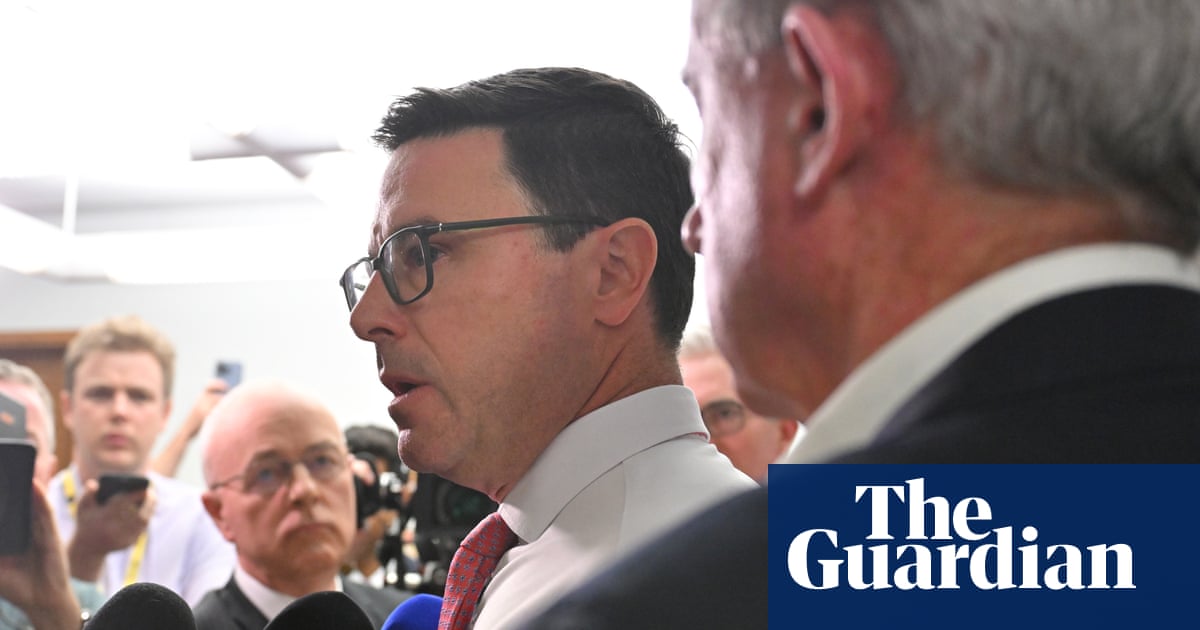
David Littleproud, leader of the National Party, recently signaled a potential re-evaluation of his party’s support for the net zero 2050 target. Speaking to Sky News, Littleproud indicated that while a party room position exists, it remains subject to review, particularly given what he described as the increasing global difficulty and significant economic impact of achieving such ambitious targets. He emphasized the necessity for Australia to cultivate a pragmatic and diversified energy mix to safeguard its future economic prosperity.
These remarks directly contradict earlier assurances from the Nationals’ deputy leader, Kevin Hogan, who had firmly stated on ABC TV that the party’s stance on net zero was “settled.” Hogan highlighted that the policy had been in place for seven years and was not slated for reconsideration or alteration. This public divergence at the leadership level underscores the deep divisions within the party and creates an environment of policy unpredictability that financial markets typically dislike.
Internal Strife and Coalition Dynamics
Further fueling the internal debate, Queensland Liberal National Party Senator Matt Canavan has emerged as a vocal opponent of the net zero agenda, openly challenging Australia’s commitments under the Paris climate agreement as “crazy.” Canavan asserts that the Nationals’ party room has not formally adopted a post-election position on net zero, implying that leadership cannot unilaterally advance such a policy without broader party consensus. This internal rebellion signals a potential hardening of anti-net zero sentiment within a key conservative bloc, which could have ripple effects on federal energy legislation and investment confidence.
The timing of this internal turmoil is particularly critical, as Littleproud and Opposition Leader Sussan Ley are in the final stages of cementing a new coalition agreement between the Liberal and National parties. This agreement is vital for establishing a unified opposition frontbench. Any move by the Nationals to withdraw support for net zero could face significant resistance from within the Liberal Party, potentially destabilizing the newly forming alliance and prolonging policy ambiguity. The Nationals’ recent, albeit brief, withdrawal from the Coalition over policy demands highlights their leverage and willingness to assert their priorities.
Key Policy Demands and Energy Implications
The Nationals’ influence within the new opposition structure is evident through their successful negotiation of four key policy concessions. These include a directive to lift Australia’s moratorium on nuclear energy, a substantial $20 billion regional infrastructure fund, guarantees for communication services in rural areas, and new powers to break up supermarkets and other retailers found abusing market share. For energy investors, the most significant of these is the push to revisit nuclear power. While long-term, a shift towards considering nuclear energy could introduce a new dimension to Australia’s future energy mix, offering a dispatchable, low-carbon option that could compete with or complement existing fossil fuel and renewable projects.
With the Nationals expected to secure six frontbench positions and several outer ministry roles in the new opposition lineup, the influence of their policy agenda, particularly on energy, cannot be understated. This political reshuffling may also see a generational shift, with figures like former Deputy Prime Minister Barnaby Joyce and Michael McCormack potentially overlooked for these key roles, paving the way for a new cohort to shape the party’s direction.
Government’s Pragmatic Stance and Project Approvals
Against this backdrop of internal opposition debate, Prime Minister Anthony Albanese reiterated the federal government’s commitment to net zero, emphasizing its importance. However, Albanese also stressed a pragmatic approach, acknowledging that the transition to renewable energy sources necessitates reliable “firming capacity” to ensure grid stability. Crucially, he noted that this firming capacity would, for the foreseeable future, include contributions from fossil fuel projects.
This nuanced stance from the government provides a degree of reassurance for investors in traditional energy sectors. It explicitly recognizes the ongoing vital role of natural gas and other fossil fuels in supporting the intermittent nature of renewables during the transition. A critical indicator of this policy’s practical application is the federal government’s potential approval for the expansion of Woodside’s North West Shelf project. Such an approval would send a strong signal to the market regarding the government’s willingness to support significant natural gas developments, essential for both domestic energy security and Australia’s position as a major LNG exporter.
Investment Outlook Amidst Policy Flux
For investors focused on the Australian energy market, the current political landscape presents a complex picture. The Nationals’ internal review of net zero, coupled with the government’s pragmatic embrace of fossil fuels for firming capacity, creates both challenges and opportunities. While the political rhetoric introduces a degree of uncertainty regarding long-term carbon policy, the practical necessity of maintaining energy reliability during the transition offers a lifeline for natural gas and other critical fossil fuel projects.
Companies and investors must closely monitor the evolving political dialogue, particularly within the Nationals and the broader Liberal-National coalition. The outcome of the net zero review and the specific approvals for projects like the North West Shelf expansion will serve as critical bellwethers for the future direction of Australia’s energy policy and its attractiveness for substantial capital investment in both hydrocarbon and renewable ventures. Clarity on policy, rather than political posturing, remains paramount for fostering sustained investment and ensuring Australia’s energy future.