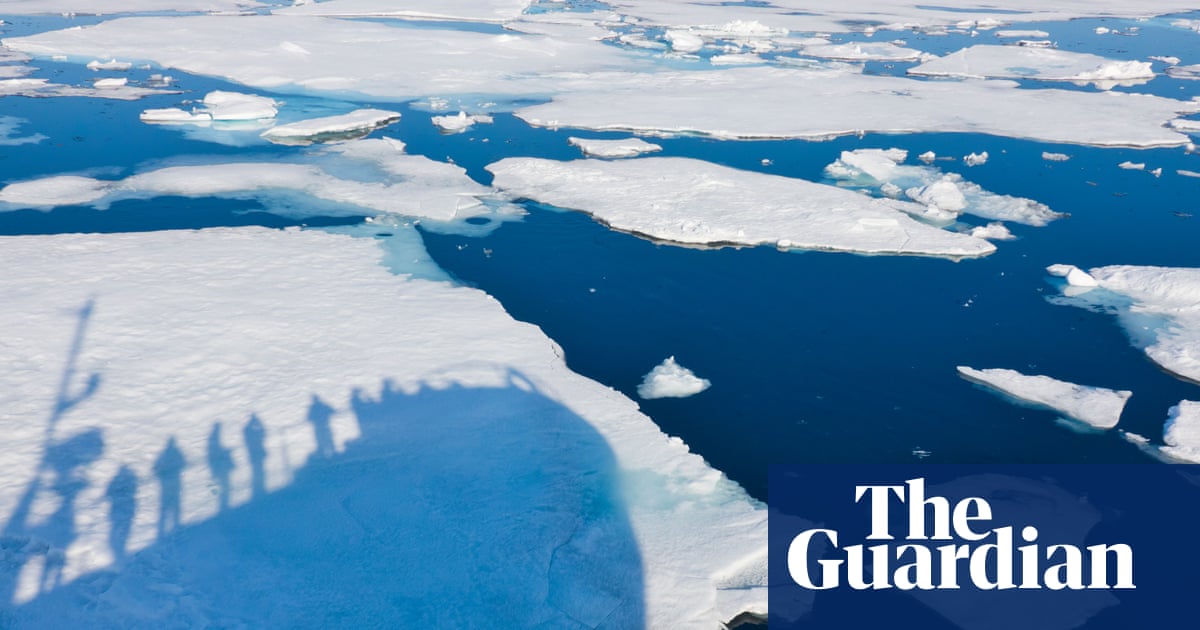
The recent scientific finding of a dramatic slowdown in Arctic sea ice melting over the past two decades presents a nuanced, albeit temporary, twist for oil and gas investors eyeing the region’s vast energy potential. While the long-term trend of ice loss remains undeniable, this reprieve, attributed to natural oceanic variations rather than a reversal of global warming, significantly impacts the immediate and medium-term calculus for operational windows, infrastructure development, and capital expenditure in the Arctic. For an industry perpetually balancing long-horizon projects against volatile market dynamics, understanding the implications of this temporary slowdown is paramount.
The Arctic Reprieve: A Temporary Shift in Operating Windows
Scientists have reported no statistically significant decline in Arctic sea ice extent since 2005, a surprising revelation given the continued rise in global carbon emissions. This slowdown is not a sign of recovery; the September sea ice area, which marks its annual minimum, has still halved since satellite measurements began in 1979. However, the temporary nature of this phenomenon – with accelerated melting expected to resume at double the long-term rate within the next five to ten years – creates a critical window for energy companies. This “breather” means that previously anticipated rapid opening of new shipping lanes and easier access to remote drilling sites might be delayed. For investors, this translates to existing operational challenges, such as ice management and harsh weather conditions, persisting longer than some aggressive models might have projected a decade ago. It forces a re-evaluation of project timelines and the feasibility of deploying specialized, ice-hardened assets, potentially impacting the return on investment for frontier exploration and production in the short to medium term.
Market Realities and Arctic Capital Allocation
Investing in the Arctic is inherently a long-term play, yet it must contend with the immediate realities of the global oil market. As of today, Brent crude trades at $90.38 per barrel, reflecting a significant intraday decline of over 9%. WTI crude mirrors this sentiment, falling to $82.59, also down more than 9% within the day. This sharp correction follows a notable downward trend over the past fortnight, with Brent shedding over $20 per barrel from its $112.78 high on March 30th. Such pronounced price volatility significantly impacts the financial models for high-CAPEX, long-horizon projects like those in the Arctic. When prices are in flux, the hurdle rates for approving new, expensive ventures naturally rise. Companies must weigh the substantial upfront investment required for Arctic operations against uncertain future revenue streams, making the decision to allocate capital to these challenging environments even more scrutinizing. The sustained downward pressure on prices, as seen in the recent two-week Brent trend, underscores the need for robust financial planning and risk mitigation strategies for any Arctic-focused portfolio.
Investor Horizon: Balancing Short-Term Volatility with Long-Term Arctic Potential
Our proprietary reader intent data reveals a clear focus on future price trajectories, with investors frequently asking, “what do you predict the price of oil per barrel will be by end of 2026?” This question is particularly pertinent when considering Arctic investments. The temporary slowdown in ice melt, while offering a short-term operational reprieve, does not alter the fundamental long-term expectation of increased Arctic accessibility. However, it does add a layer of complexity to projecting future project economics. Companies like Repsol, which some investors are tracking closely for their performance in April 2026, exemplify the broader industry’s challenge in navigating both short-term market fluctuations and long-term strategic plays. Arctic projects require decades of planning and investment, meaning their success hinges on sustained higher oil prices and predictable access windows. The current scientific findings suggest that the most challenging conditions for Arctic development might persist longer than previously thought, pushing out the timeline for widespread, cost-effective operations and potentially delaying the monetization of reserves. This creates a difficult balancing act for investors assessing the risk-reward profile of Arctic energy plays against other global opportunities.
Upcoming Events: Navigating the Near-Term Market for Arctic Strategy
While Arctic development is a long game, near-term market catalysts profoundly influence the financial environment in which these strategies are forged. Investors are keenly focused on upcoming events that shape global supply and demand. The critical OPEC+ Joint Ministerial Monitoring Committee (JMMC) meeting on April 18th, followed by the Full Ministerial meeting on April 19th, will be instrumental in signaling the cartel’s production stance. Any decisions on quotas could significantly impact market sentiment and crude prices, directly influencing the capital available and the economic viability of new Arctic ventures. Beyond OPEC+, weekly reports like the API Crude Inventory on April 21st and the EIA Weekly Petroleum Status Report on April 22nd offer crucial insights into supply-demand balances. Unexpected inventory builds or drawdowns can trigger immediate price reactions, affecting short-term hedging strategies and the perceived attractiveness of long-term investments. For Arctic energy investors, these events, along with the bi-weekly Baker Hughes Rig Count, serve as essential indicators of market health, shaping the backdrop against which future Arctic exploration and development budgets are approved or curtailed. The confluence of these immediate market signals with the protracted, evolving reality of Arctic access demands a sophisticated, adaptable investment strategy.


