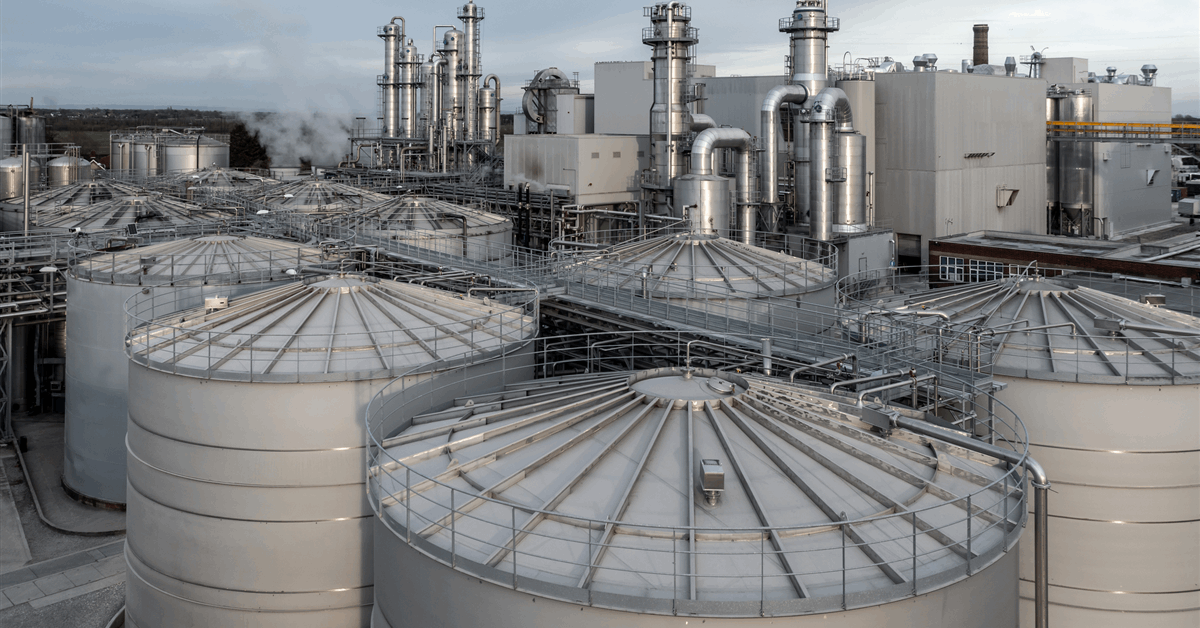
The global energy landscape is in constant flux, demanding strategic foresight and agile capital deployment from industry giants. In a significant move signaling a long-term commitment to value-added products, Saudi Arabian Oil Co. (Aramco) and Exxon Mobil Corp. (XOM) have formally initiated an evaluation to transform their jointly owned Samref refinery in Yanbu into an integrated petrochemical complex. This ambitious undertaking, currently in its preliminary front-end engineering and design (pre-FEED) phase, represents more than just an expansion; it’s a strategic pivot designed to enhance profitability, diversify revenue streams, and future-proof operations against the inherent volatility of crude oil markets. For investors, this collaboration underscores a broader industry trend towards petrochemical integration as a cornerstone of sustainable growth in the evolving energy mix.
Strategic Downstream Push Amidst Market Headwinds
The decision by Aramco and ExxonMobil to deepen their downstream integration at Samref comes at a critical juncture for global oil markets. As of today, Brent crude trades at $91.87 per barrel, marking a significant 7.57% decline on the day. This immediate dip follows a broader trend, with Brent plummeting 18.5% over the past two weeks, from $112.78 on March 30th to its current level. Similarly, WTI crude sits at $84, down 7.86%, and gasoline prices have fallen 4.85% to $2.95. This pronounced volatility and recent downward pressure on crude prices underscore the strategic imperative for integrated energy majors to build resilience through diversification. The Samref project, which aims to convert a greater proportion of crude oil and petroleum liquids into high-value chemicals, is a direct response to this environment. By focusing on high-quality distillates, lower-emission products, and high-performance chemicals, the partners seek to capture a larger share of the petrochemical market, which often exhibits more stable demand and higher margins compared to traditional refined fuels. This ‘liquids-to-chemicals’ strategy is a clear signal to investors that these companies are proactively de-risking their portfolios and positioning themselves for growth beyond the upstream.
Samref’s Transformation: Unlocking New Value Streams
The existing Samref facility, with its declared oil processing capacity of approximately 400,000 barrels per day and significant 13.2 million barrels of storage, primarily produces gasoline, along with diesel fuel, heating oil, jet fuel, and liquefied petroleum gas. The proposed upgrade, however, envisions a dramatic shift. Aramco’s downstream president, Mohammed Y. Al Qahtani, highlighted the project’s goal to increase the conversion of crude oil into high-value chemicals, reinforcing the company’s commitment to advancing downstream value creation. ExxonMobil’s senior vice president, Jack Williams, echoed this sentiment, emphasizing alignment with their strategy to grow high-value products that meet evolving energy needs and contribute to a lower-emission future. This strategic alignment between two global energy titans on a 50/50 joint venture suggests a robust commitment to maximizing operational advantages, enhancing Samref’s competitiveness, and meeting the growing demand for high-quality petrochemical products within the Kingdom of Saudi Arabia and beyond. The initiation of the pre-FEED phase, while not a final investment decision, marks a crucial step in de-risking the project and validating its technical and economic viability, paving the way for substantial future capital deployment.
Broader Downstream Ambitions and Investor Focus
Aramco’s move with ExxonMobil at Samref is not an isolated incident but part of a broader, aggressive downstream expansion strategy designed to fortify its market position and diversify earnings. Investors frequently ask about the long-term outlook for oil prices, with a common query being: “What do you predict the price of oil per barrel will be by end of 2026?” While predicting exact prices remains challenging, Aramco’s actions suggest a strategy that thrives regardless of crude price fluctuations. The company recently completed the acquisition of an additional 22.5% stake in Rabigh Refining and Petrochemical Co. (Petro Rabigh) from Sumitomo Chemical Co. Ltd. for $702 million, increasing its ownership to 60%. This increased stake, announced on October 9th, aims for closer integration, unlocking new opportunities, and optimizing operations at Petro Rabigh. Furthermore, Aramco expanded its retail footprint by acquiring a 25% stake in Unioil Petroleum Philippines Ltd., adding over 175 retail stations to its portfolio. These integrated downstream investments, from petrochemical complexes to retail networks, are designed to create a more resilient business model, capturing value across the entire hydrocarbon chain and offering investors a more stable return profile less exposed to crude oil price swings. This comprehensive approach is key to understanding how major players are positioning themselves to deliver consistent value in a dynamic market.
Forward Outlook: Geopolitics, Supply, and the Road Ahead
The long-term success and ultimate final investment decision for projects like Samref are inherently tied to prevailing market conditions, regulatory approvals, and global supply-demand dynamics. Investors will be keenly watching the OPEC+ Ministerial Meeting scheduled for tomorrow, April 18th. This meeting is pivotal, as decisions on production quotas directly impact global crude supply and, consequently, price stability. Many investors are currently asking, “What are OPEC+ current production quotas?” The outcome of these discussions will influence the profitability of upstream operations and, by extension, the strategic urgency and economic viability of massive downstream investments. Furthermore, upcoming data releases such as the API Weekly Crude Inventory on April 21st and 28th, the EIA Weekly Petroleum Status Report on April 22nd and 29th, and the Baker Hughes Rig Count on April 24th and May 1st, will provide critical insights into short-term supply and demand trends. While these reports offer immediate market signals, the Samref expansion represents a multi-year investment horizon, implying that Aramco and ExxonMobil are making a calculated bet on the sustained growth of global petrochemical demand and the strategic importance of integrated, efficient operations. Their commitment to improving energy efficiency and reducing emissions from operations also aligns with broader environmental objectives, potentially easing future regulatory hurdles and enhancing long-term societal value.


