Arabian Sea Incident Highlights Maritime Supply Chain Vulnerabilities
A significant maritime incident in the Arabian Sea has triggered immediate alerts across India’s western coastline, underscoring the inherent risks within global shipping logistics and the potential for environmental and economic disruption. Authorities in India mobilized extensive resources this week following the sinking of a container vessel, which has initiated an oil spill threatening sensitive marine ecosystems and local livelihoods. Investors in the energy and shipping sectors should closely monitor developments, as such events can illuminate broader vulnerabilities in supply chains and impact the financial landscape for maritime operators and associated industries.
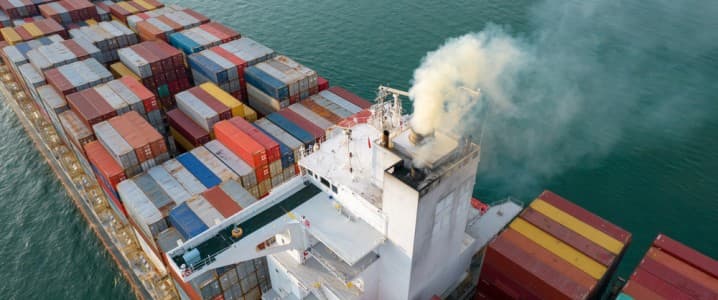
The distress signal originated on Saturday, May 24, from the Liberia-flagged container ship, MSC ELSA 3. The vessel had commenced its voyage from Vizhinjam Port on May 23, with an estimated arrival in Kochi slated for May 24. However, the situation quickly deteriorated. Reports indicate that the ship capsized and subsequently sank in the early hours of May 25, reportedly due to flooding within one of its holds. Fortunately, all 24 crew members aboard the MSC ELSA 3 were safely rescued, averting a potential humanitarian crisis, though the environmental and economic fallout is now the primary concern.
Cargo Contamination and Environmental Liabilities
The financial and ecological repercussions of this incident are substantial, given the diverse and hazardous nature of the vessel’s cargo. The MSC ELSA 3 was transporting a considerable load of 640 containers. Of particular concern are 13 containers categorized as carrying hazardous materials, alongside 12 containers specifically loaded with calcium carbide. Calcium carbide, a chemical compound, poses a significant risk as it reacts with water to produce acetylene gas, which is highly flammable and could complicate recovery efforts or create further environmental hazards if not properly contained.
Beyond the containerized cargo, the vessel’s own fuel tanks contained a substantial volume of hydrocarbons. Approximately 84.44 metric tons of diesel and a more significant 367.1 metric tons of furnace oil were onboard when the ship went down. This combined total of over 450 metric tons of fuel represents the primary source of the current oil slick, posing a direct threat to marine life, coastal areas, and the local fishing industry. The leakage of these bunker fuels necessitates an aggressive and immediate clean-up operation to mitigate long-term damage and avoid escalating the financial liabilities for the involved parties, including insurers and the vessel’s owners.
Rapid Response and Containment Strategies
In response to the escalating situation, the Indian Coast Guard has activated a comprehensive Pollution Response preparedness plan. This multi-agency effort involves close coordination with the administration of the Indian state of Kerala, demonstrating a unified approach to address the various scenarios that may unfold as the spill progresses. Specialized Coast Guard aircraft, equipped with advanced oil spill mapping technology, have been deployed to conduct aerial assessments. These flights are crucial for accurately tracking the movement and dispersion of the oil slick, providing vital data for strategic deployment of containment and clean-up assets.
The swift mobilization and technological deployment reflect the critical importance of preventing a widespread environmental catastrophe. For investors, the efficiency and efficacy of such responses are key indicators of a region’s resilience to maritime incidents. Effective containment can limit financial exposure related to environmental damage, clean-up costs, and potential litigation, ultimately influencing investor confidence in the operational integrity of shipping routes and port infrastructure in the region.
Regional Economic Impacts and Investor Considerations
The state government of Kerala has reacted decisively, issuing an alert across all its coastal areas to warn residents and industries of the impending oil spill. The Chief Minister’s Office confirmed that not only has marine fuel from the ship’s tanks leaked, but oil from fallen containers is also contributing to the slick. With containers reportedly drifting at approximately 3 kilometers per hour, the potential reach of the pollution extends widely along the Kerala coast, necessitating a broad alert.
A direct economic consequence has been the imposition of a fishing ban within a 20-nautical-mile radius of the sunken vessel. This measure, while essential for food safety and environmental protection, immediately impacts the livelihoods of thousands of local fishermen and the regional seafood industry. Investors with exposure to local economies, aquaculture, or even tourism in the region should factor in these immediate disruptions and potential longer-term recovery efforts. Such incidents highlight the often-overlooked supply chain risks for seemingly localized industries, which can cascade into broader economic impacts.
Navigating Maritime Risk and ESG in Investment Portfolios
This Arabian Sea incident serves as a stark reminder of the multifaceted risks inherent in global maritime trade, particularly for sectors closely tied to oil and gas. For investors, the event brings into sharp focus several critical considerations. Firstly, it underscores the importance of supply chain resilience. While the immediate loss of fuel from this vessel is not globally significant, the incident symbolizes the fragility of maritime logistics. Disruptions, whether due to accidents, geopolitical events, or extreme weather, can have far-reaching effects on the timely delivery and pricing of energy commodities.
Secondly, the environmental aspect of this spill elevates the importance of Environmental, Social, and Governance (ESG) factors in investment decisions. Shipping companies, their insurers (P&I clubs), and even the cargo owners face increasing scrutiny and financial penalties for environmental damage. Investors are increasingly evaluating companies based on their safety records, environmental protection measures, and adherence to international maritime regulations. A poor track record in these areas can lead to significant financial liabilities, reputational damage, and a higher cost of capital. Monitoring how companies involved in the incident handle their responsibilities will be crucial.
Finally, the incident may prompt a review of maritime safety protocols and environmental regulations in the region, potentially leading to increased operational costs for shipping lines. Stricter inspections, enhanced navigational requirements, or new environmental protection levies could emerge, impacting the profitability of maritime transport. Savvy investors will consider these potential regulatory shifts and their implications for the long-term outlook of shipping and energy logistics companies operating in the Indian Ocean region. The unfolding situation off India’s coast is more than just an environmental crisis; it is a live case study in maritime risk management and its direct relevance to investment strategy in the energy and shipping sectors.