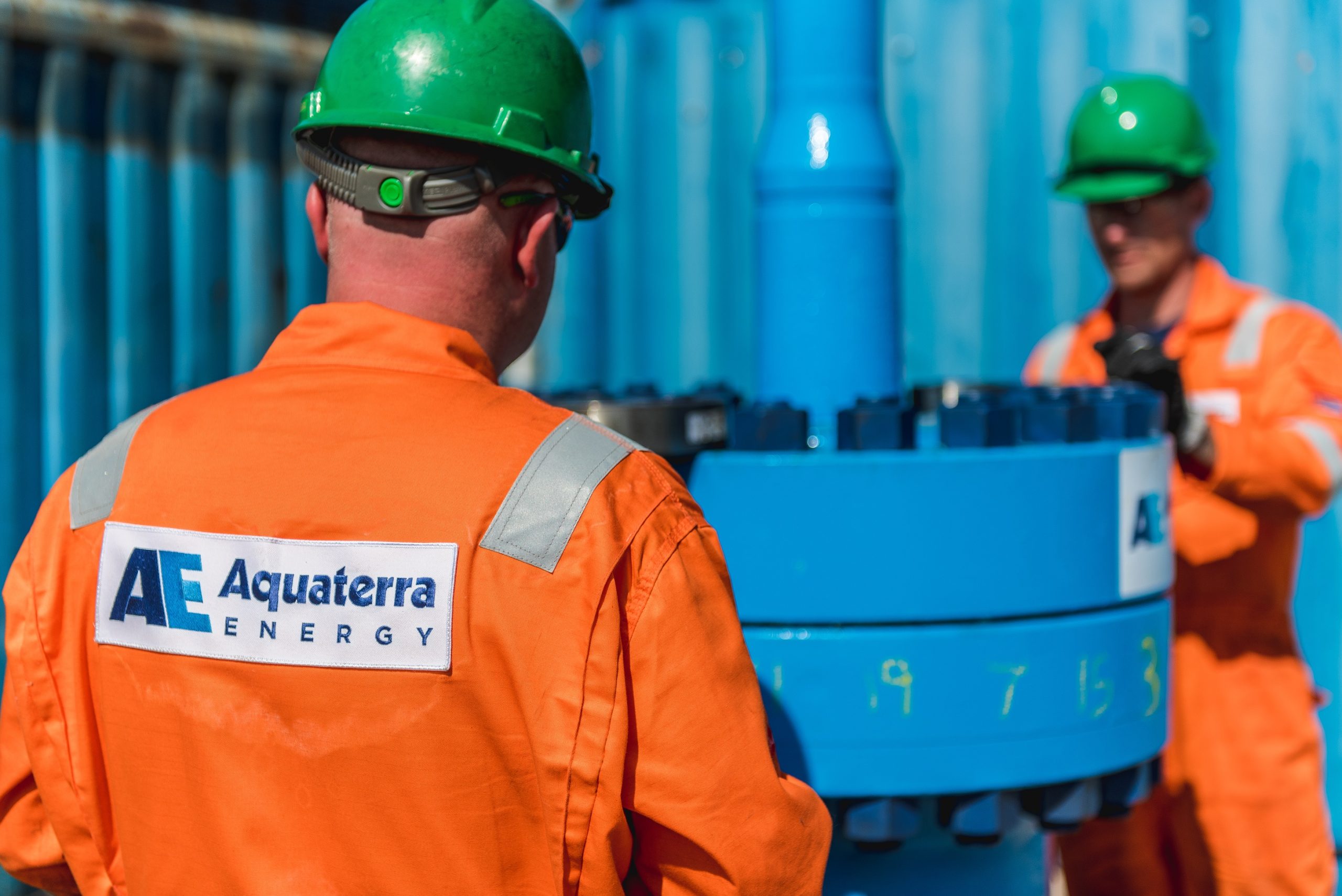
The energy sector continues its dynamic evolution, marked by both the persistent demand for hydrocarbons and an accelerating focus on the responsible stewardship of mature assets. Against this backdrop, the recent multi-year contract secured by Aquaterra Energy to provide subsea well access technology for intervention and abandonment (P&A) operations across 11 wells offshore Spain signals a critical and growing investment trend. This development is not merely a contract win; it underscores the increasing prominence of the decommissioning market as a stable, long-term opportunity for investors, distinct from the volatile cycles of exploration and production.
Decommissioning: A Growing Imperative in Europe’s Mature Basins
Aquaterra Energy’s new agreement with an international offshore services provider highlights the strategic importance of specialized well access solutions in late-life field management. The company will deploy a sophisticated riser-based subsea well access system, featuring a 7⅜-in. ID, 5,000-psi-rated intervention riser equipped with proprietary AQC-CW connectors. This integrated solution is designed to interface seamlessly with subsea pressure control systems, enabling complex P&A activities from a semi-submersible vessel. This technological capability is crucial for safely and efficiently retiring aging infrastructure, a task that is becoming increasingly urgent across Europe’s mature offshore regions.
The commitment to 11 wells offshore Spain is indicative of a broader trend where P&A operations constitute a significant share of overall decommissioning expenditure. Basins like the North Sea have already seen substantial investment in this area, and similar patterns are now emerging in other European offshore territories. As regulations tighten and assets reach the end of their productive lives, the demand for integrated technical solutions that can manage complex late-life operations will only intensify. Aquaterra’s strategic expansion into these well intervention and decommissioning markets positions it squarely within a segment offering predictable, long-term revenue streams, less exposed to the boom-and-bust cycles of commodity prices.
Market Sentiment and the Decommissioning Investment Thesis
While the decommissioning sector offers a degree of insulation from daily price swings, the broader energy market remains a key backdrop for investor sentiment. As of today, Brent crude trades at $92.99, marking a 2.83% increase, with WTI crude standing at $89.4, up 2.26%. This current uptick follows a notable downtrend, with Brent having fallen from $118.35 on March 31st to $94.86 just yesterday, representing a nearly 20% correction in less than three weeks. Despite this recent volatility, the current price levels remain robust enough to support continued investment across the energy value chain, including the essential, albeit less glamorous, decommissioning activities.
Our proprietary reader intent data reveals that investors are keenly focused on understanding crude price trajectories, with common inquiries ranging from “is WTI going up or down” to “what do you predict the price of oil per barrel will be by end of 2026?” This indicates a desire to gauge the stability and profitability of upstream investments. For companies like Aquaterra, operating in the services sector, a stable-to-strong oil price environment can indirectly benefit by ensuring operators have the capital and incentive to manage their asset portfolios effectively, including funding necessary decommissioning projects. The decommissioning market, however, also offers a defensive play, as P&A requirements are driven by regulatory mandates and asset lifecycle, providing a more resilient revenue stream regardless of short-term crude fluctuations.
Navigating Future Catalysts and Long-Term Outlook
The coming weeks present several key energy events that could shape market dynamics and indirectly influence investment decisions in the services sector. Tomorrow, April 21st, the OPEC+ JMMC Meeting will be closely watched for any signals regarding production policy, which could directly impact crude supply and pricing. This will be followed by the EIA Weekly Petroleum Status Report on April 22nd and the Baker Hughes Rig Count on April 24th, both providing crucial insights into inventory levels and drilling activity in North America.
Further out, the EIA Short-Term Energy Outlook on May 2nd will offer a comprehensive forecast that could influence long-term capital allocation strategies for operators. While these events primarily impact the upstream production side, their ripple effects can be felt across the industry. A more volatile or uncertain price environment might lead some operators to accelerate decommissioning plans for marginal fields, seeking to reduce ongoing operational costs and liabilities. Conversely, sustained high prices could extend the life of some assets, though the ultimate requirement for P&A remains unavoidable. For investors eyeing the decommissioning space, the consistent regulatory drive and the aging profile of global offshore infrastructure provide a compelling structural growth story, offering a counter-cyclical hedge to traditional E&P investments and representing a foundational element of the energy transition’s practical execution.


