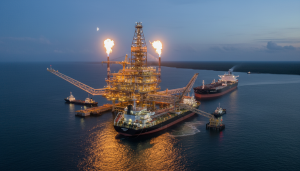
Energy market participants are increasingly evaluating the geopolitical and geological forces shaping their investment portfolios. A newly identified, escalating geological phenomenon off the coast of Oregon now demands urgent consideration. Ongoing seismic disturbances, originating from a deep-sea volcanic complex, pose a credible and intensifying threat to essential hydrocarbon infrastructure and their intricate logistical networks. This risk could manifest as early as 2025, potentially disrupting the entire West Coast energy ecosystem, influencing the flow of crude imports, natural gas transmission, and the distribution of refined petroleum products.
Oregon’s Hidden Tremors: A Rising Subsea Risk for Energy Investors by 2025
While the Pacific Northwest may not be a primary hub for offshore hydrocarbon extraction, its strategic importance in energy transit and consumption cannot be overstated. Major shipping lanes, crucial for crude oil imports, refined product deliveries, and potential future liquefied natural gas (LNG) exports, traverse these very waters. Furthermore, extensive subsea cable networks and critical pipeline systems, vital for regional energy security, could face unprecedented stress from heightened seismic activity. Geologists have noted a significant uptick in activity within the Cascadia Subduction Zone, with particular focus on specific vents situated approximately 150 miles offshore. Although direct, large-scale eruptions are less common in this specific type of subsea environment, the associated seismic tremors and the potential for methane hydrate destabilization present substantial and complex hazards.
Critical Infrastructure in the Crosshairs
The potential ramifications for both existing and planned energy assets are multifaceted and profound. Subsea pipelines, while engineered to withstand a certain degree of seismic stress, could be severely compromised by significant ground shifts or powerful turbidity currents. Such disruptions would not only halt the flow of vital energy commodities but also necessitate costly and time-consuming repairs, impacting supply reliability across the region. Imagine the cascading effects if a major pipeline carrying natural gas to population centers or industrial users were rendered inoperable. The economic ripple would be immediate and severe, affecting industries from manufacturing to power generation.
Beyond pipelines, the vulnerability extends to the intricate network of subsea communication cables that underpin modern energy operations, from remote monitoring to market trading. Damage to these could impede critical data flow, impacting operational efficiency and response times during an emergency. Furthermore, the shipping lanes themselves are at risk. Intense seismic events could create underwater landslides or alter seabed topography, posing navigation hazards to supertankers and other vessels transporting crude oil and refined products. Any need to reroute these ships would inevitably lead to increased transit times, higher fuel consumption, and escalated operational costs, directly translating to higher prices at the pump and increased volatility in energy futures markets.
Economic Ripples: Supply Chains and Market Volatility
The financial implications of this geological threat are substantial for investors in the oil and gas sector. Supply chain disruptions, even temporary ones, can have disproportionately large impacts on market stability. The West Coast, a significant energy consumer, relies heavily on these transit routes. Any prolonged interruption to crude oil imports, for instance, could lead to refinery feedstock shortages, impacting the production of gasoline, diesel, and jet fuel. This scenario would undoubtedly drive up refined product prices and create significant market uncertainty.
Moreover, the prospect of such risks could lead to increased operational expenditures for energy companies. Higher insurance premiums for subsea infrastructure, mandatory rerouting of maritime traffic, and investments in advanced seismic monitoring technologies would all contribute to a rise in the cost of doing business in the region. For investors, this translates into potential margin compression for energy companies operating or relying on assets in the affected zone. The long-term outlook for proposed energy projects, including potential LNG export terminals that would utilize these very waters, could also be significantly altered, prompting a reevaluation of their risk-adjusted returns.
Navigating the Investment Landscape
For discerning energy investors, this emerging threat underscores the importance of a nuanced approach to portfolio management. Companies with diversified asset bases or those investing in robust risk mitigation strategies may fare better. Identifying energy infrastructure companies with strong balance sheets and advanced disaster preparedness plans becomes paramount. Investors should scrutinize the exposure of their holdings to West Coast energy transit routes and subsea assets. Furthermore, this situation highlights the growing importance of environmental, social, and governance (ESG) factors in investment decisions, as geological risks increasingly enter the mainstream of financial analysis.
While the precise timing and magnitude of any potential event remain uncertain, the scientific community’s assessment points to a credible and escalating risk by 2025. This timeline offers a crucial window for investors and energy companies to assess vulnerabilities, implement mitigation strategies, and adjust long-term investment horizons. The oil and gas sector has always navigated complex risks, but integrating sophisticated geological risk assessment into financial models is becoming an indispensable component of successful energy investment strategies.
Conclusion
The persistent seismic activity off the Oregon coast represents more than just a geological curiosity; it is a tangible, evolving threat to West Coast energy security and, by extension, to the stability of energy markets. Investors in oil and gas must integrate this subsea risk into their analytical frameworks, understanding its potential to impact supply chains, elevate operational costs, and introduce significant market volatility. Proactive assessment and strategic adaptation will be key to navigating this dynamic and challenging energy landscape.