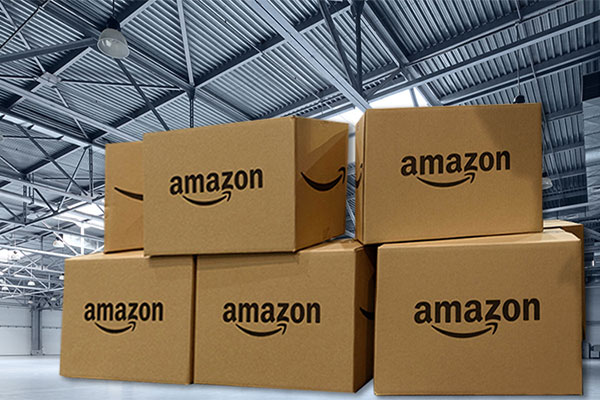
Amazon’s monumental $4 billion commitment to fortify its rural delivery infrastructure across the United States is poised to ignite a substantial and sustained surge in domestic fuel consumption. For astute energy investors, this strategic move by the e-commerce titan represents a critical demand-side catalyst that merits immediate and close scrutiny. This massive capital injection targets America’s less populated regions, aiming to extend rapid shipping capabilities to countless small towns and previously underserved communities. Such a fundamental reengineering of the national logistics footprint will inevitably translate into a material increase in transportation fuel requirements.
The operational breadth of this expansion is truly staggering. Amazon projects that this initiative will directly create over 100,000 new jobs nationwide, simultaneously slashing delivery times by up to 50% in the target rural geographies. Once fully operational, this significantly augmented network will service an impressive footprint of more than 13,000 zip codes, processing an additional one billion packages annually. For stakeholders in the oil and gas sector, these figures directly forecast a pronounced escalation in commercial vehicle mileage, and by direct extension, a heightened and enduring need for refined petroleum products, particularly diesel and gasoline.
Strategic Infrastructure Build-Out Propels Demand
At the heart of Amazon’s ambitious strategy lies a dramatic amplification of its physical presence across the American landscape. The company plans to rapidly scale its rural delivery station count, expanding from approximately 70 at the close of 2023 to well over 200 facilities by the conclusion of 2026. Each new delivery station is not merely a static asset; it represents a dynamic hub for intensified local delivery operations, acting as a crucial nexus for fuel consumption.
These burgeoning distribution centers are projected to generate approximately 170 direct jobs individually, with a multitude of additional roles emerging through associated delivery programs, including Delivery Service Partners (DSPs), Amazon Flex, and Hub Delivery partners. This proliferation of localized distribution points means a verifiable increase in the number of heavy-duty trucks traversing highways to stock these stations, more vans navigating intricate rural routes for last-mile delivery, and an undeniable, long-term surge in demand for both diesel and gasoline across vast swathes of the country.
This aggressive expansion, undertaken at a time when some logistics competitors are scaling back or consolidating operations, underscores Amazon’s unwavering confidence in the untapped economic potential of rural markets. This strategic divergence offers a clear signal to energy investors: a long-term commitment to infrastructure that inherently drives fuel demand, irrespective of short-term economic fluctuations in other sectors. The e-commerce giant’s decision to invest so heavily in these areas suggests a belief in sustained growth in online shopping habits, even in less dense populations, which translates directly into consistent fuel consumption for the foreseeable future.
Implications for Refined Products and Energy Markets
The direct beneficiaries of this substantial logistical expansion will be the producers and distributors of refined petroleum products. The dramatic increase in vehicle miles traveled (VMT) across rural and exurban areas will create sustained demand pressure for both on-road diesel and gasoline. Diesel demand will be driven by the larger line-haul trucks transporting goods from regional fulfillment centers to these new rural delivery stations, as well as by a significant portion of the last-mile delivery fleet. Gasoline demand will see a boost from smaller vans and individual Flex drivers, who often utilize personal vehicles for delivery in less dense areas.
Energy investors should consider the compounding effect of this investment. Not only will Amazon’s own fleet and contracted partners consume more fuel, but the very act of making rapid delivery ubiquitous in rural areas could stimulate further economic activity and population growth, thereby creating additional, secondary demand for transportation fuels in these regions. This scenario presents an attractive opportunity for refiners with strong exposure to the U.S. domestic market, as well as midstream companies involved in the distribution and storage of refined products to a wider geographical footprint. Retail fuel station networks, particularly those strategically located along key rural transport corridors or within the vicinity of these new delivery hubs, could also experience a noticeable uplift in sales volume.
Furthermore, the long-term nature of this infrastructure investment implies a sticky demand profile. These delivery stations are not temporary fixtures; they are foundational elements of a permanent shift in how goods are moved and consumed. This provides a stable, predictable growth vector for a segment of transportation fuel demand, contrasting with some of the more volatile cyclical demands seen in other parts of the energy market. Investors focused on the oil and gas sector should view this as a significant, structural tailwind for refined product consumption in the coming years, reinforcing the importance of oil and gas in powering the modern economy’s logistical backbone.
Investment Outlook for Oil and Gas Sector
For investors navigating the complexities of the global energy market, Amazon’s $4 billion rural delivery plan offers a clear, tangible data point indicating robust domestic fuel demand growth. This initiative is a powerful reminder that despite ongoing discussions around energy transition, the immediate and medium-term future of commerce and logistics remains heavily reliant on fossil fuels. The sheer scale of new jobs, additional package volume, and expanded physical infrastructure directly translates into an escalating need for petroleum products.
Companies involved in refining, distribution, and retail of diesel and gasoline stand to gain from this substantial market expansion. Savvy investors might consider positions in companies with strong domestic refining capacity, robust logistics networks for refined products, or those with significant retail presence in the targeted rural and exurban markets. The oil and gas sector continues to be an indispensable engine for economic activity, and Amazon’s latest strategic move emphatically underscores this enduring reality. Monitoring the build-out of these delivery stations and the associated operational metrics will provide ongoing insights into the magnitude of this burgeoning fuel demand, offering a valuable compass for investment decisions within the energy space.