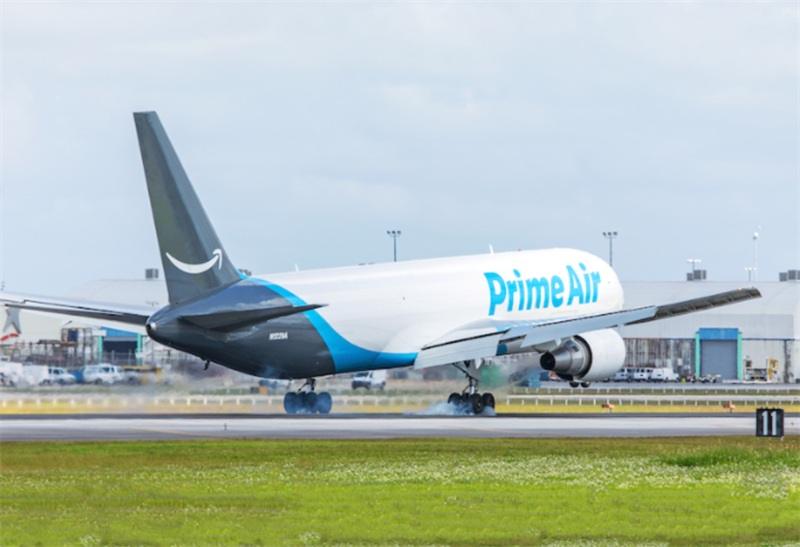
The global aviation sector, a significant consumer of conventional jet fuel, is undergoing a profound transformation driven by decarbonization commitments. A recent agreement between renewable fuels producer Neste and e-commerce giant Amazon exemplifies this shift, signaling a tangible acceleration in sustainable aviation fuel (SAF) adoption. This strategic move, involving the supply of 2.5 million gallons of SAF to Amazon Air operations at key California airports, underscores a critical pivot in energy consumption for hard-to-abate sectors. For oil and gas investors, this development is not merely an environmental footnote; it represents a growing segment of demand that will increasingly influence long-term market dynamics, even as short-term crude volatility continues to dominate headlines.
The Expanding Market for Sustainable Aviation Fuel
Amazon Air’s commitment to sourcing Sustainable Aviation Fuel from Neste marks a significant milestone in the aviation industry’s journey towards net-zero emissions. Under the agreement, Neste will provide 7,500 metric tons (equivalent to 2.5 million gallons) of its Neste MY Sustainable Aviation Fuel through the end of 2025. This SAF will power Amazon Air cargo operations at San Francisco International Airport and Ontario International Airport, demonstrating the practical deployment of greener alternatives in a high-volume logistics network. Neste’s SAF, produced from sustainably sourced renewable waste and residues like used cooking oil and animal fats, offers a compelling environmental advantage, capable of reducing greenhouse gas emissions by up to 80% over its lifecycle compared to traditional jet fuel. Crucially, its “drop-in” compatibility with existing aircraft engines and airport infrastructure minimizes the barriers to adoption, enabling a smoother transition. Amazon’s proactive stance, including its role as a founding member of the Sustainable Aviation Buyers Alliance (SABA) and its involvement in the Sustainable Aviation Fuel certificates (SAFc) Registry, highlights a growing corporate imperative to internalize and accelerate the decarbonization of air freight.
Navigating Volatility: Crude Prices and SAF Investment Rationale
The backdrop to this long-term green transition is a hydrocarbon market experiencing significant short-term turbulence. As of today, Brent crude trades at $90.38 per barrel, reflecting a substantial 9.07% drop within the day, with WTI similarly falling by 9.41% to $82.59. This recent downturn is part of a broader trend; Brent has shed nearly 18.5% over the past 14 days, plummeting from $112.78 on March 30th to $91.87 just yesterday. While such dramatic price swings might temporarily ease pressure on conventional jet fuel costs, the sustained investment in SAF by major players like Amazon underscores a fundamental shift in corporate strategy. Companies are increasingly prioritizing long-term environmental sustainability and regulatory compliance over immediate fuel cost arbitrage. For investors, this suggests that while crude price volatility will continue to impact quarterly earnings for traditional refiners and upstream producers, the strategic imperative for SAF development remains robust. SAF investments represent a hedge against future carbon pricing, stricter environmental regulations, and evolving consumer and corporate preferences, making them a critical component of a diversified energy portfolio.
Investor Focus: Decoding the Future of Oil & Gas Amidst Green Shifts
Our proprietary analytics indicate investors are keenly focused on broader market trends, asking questions like ‘what do you predict the price of oil per barrel will be by end of 2026?’ and ‘What are OPEC+ current production quotas?’. These inquiries reflect a deep concern for the future trajectory of traditional oil demand and supply. The Amazon-Neste SAF deal, while representing a relatively small fraction of global jet fuel consumption, serves as a powerful signal for the structural changes impacting these forecasts. Every gallon of SAF deployed reduces the demand for conventional jet fuel, albeit incrementally for now. Investors must integrate such green transition developments into their long-term models for oil demand, recognizing that the growth of alternative fuels, supported by corporate commitments and potential regulatory mandates, will gradually erode certain market segments. While OPEC+ production decisions and broader macroeconomic factors will continue to drive the overall price of crude, the emergence of viable, scalable alternatives like SAF introduces a new layer of complexity to demand forecasting, particularly for refiners heavily invested in jet fuel production.
Key Catalysts Ahead: Policy, Production, and Price Discovery
The coming weeks offer several critical data points and events that will shape the investment landscape for both conventional oil and emerging clean fuels. The immediate focus for many investors will be the upcoming OPEC+ Joint Ministerial Monitoring Committee (JMMC) meeting today, April 18th, followed by the Full Ministerial meeting on April 19th. Any decisions regarding production quotas will directly impact crude supply and, consequently, global prices, influencing the economic competitiveness of SAF in the short term. Further insights into market fundamentals will come from the EIA and API weekly inventory reports on April 21st/22nd and April 28th/29th, respectively. These reports will signal demand strength or weakness, affecting refinery margins and feedstock availability for SAF production. Concurrently, the Baker Hughes Rig Count on April 24th and May 1st will offer a glimpse into future upstream activity, reflecting capital allocation decisions between fossil fuel extraction and renewable energy projects. Beyond these traditional indicators, the pace of SAF adoption will be heavily influenced by evolving policy frameworks, including potential blending mandates and tax credits, which could significantly accelerate deployment and attract further investment into the sustainable aviation fuel ecosystem.


