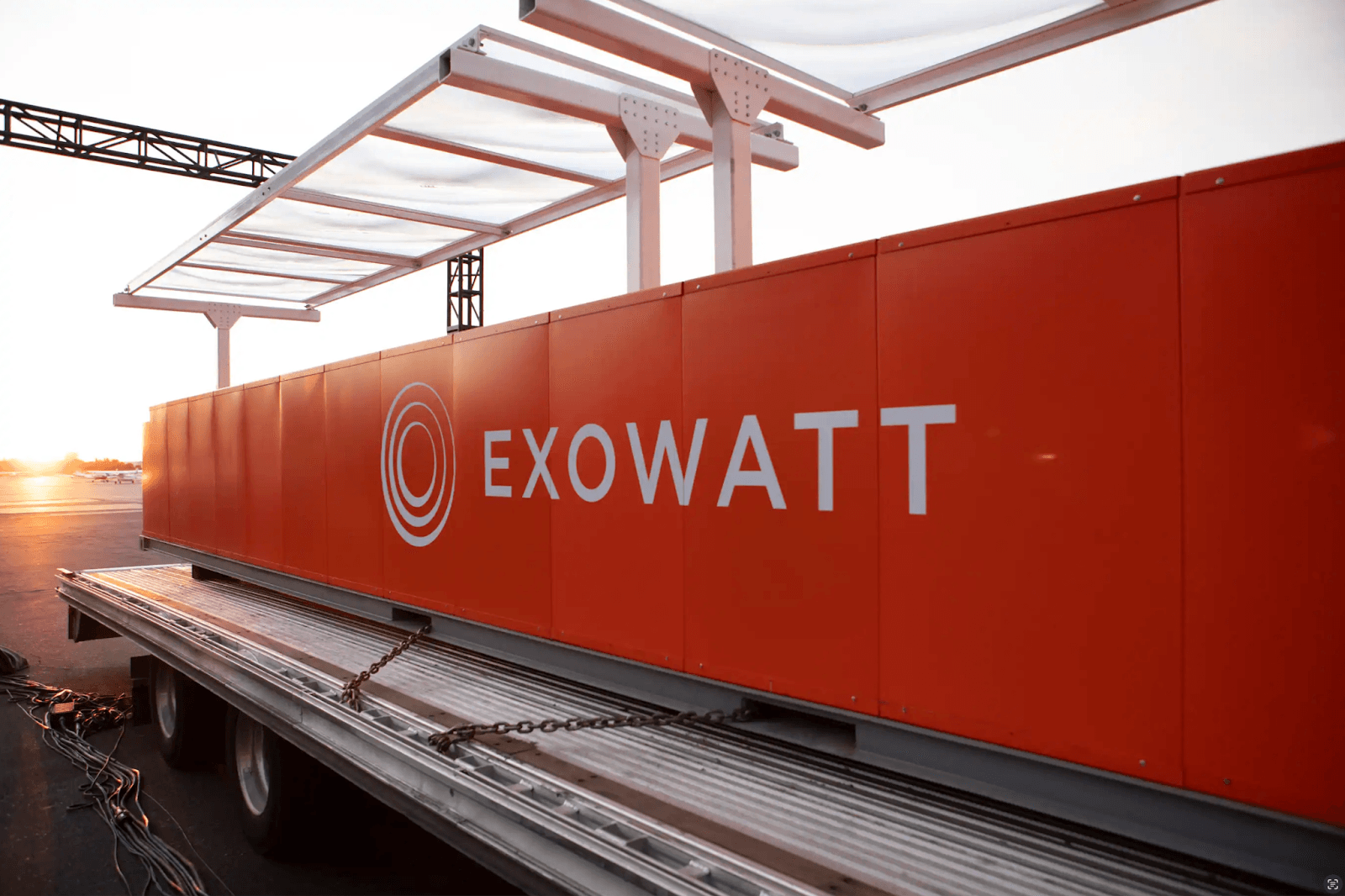
The energy sector stands at an inflection point, with unprecedented demand for electricity driven by artificial intelligence applications reshaping investment priorities. While traditional oil and gas markets continue to grapple with their own supply-demand dynamics and geopolitical influences, the emergence of compute-intensive AI clusters is creating a distinct, rapidly expanding need for firm, reliable, and often localized power. This dual-track evolution presents both challenges and lucrative opportunities for investors navigating a complex and increasingly diversified energy landscape.
The AI Power Surge: A New Frontier for Energy Investment
The U.S. electricity grid is experiencing its fastest demand growth in two decades, a surge predominantly fueled by the exponential expansion of AI data centers. Against this backdrop, innovative energy solutions are attracting substantial capital, exemplified by Exowatt, a developer of dispatchable solar technology. The company recently secured an additional $50 million, bringing its total funding to $140 million in less than two years. This rapid capital infusion underscores the urgent market need for scalable, low-carbon power capacity that can be deployed quickly and sited close to load, bypassing the often lengthy and congested transmission grid interconnection queues.
Exowatt’s P3 system, a modular design manufactured in the U.S., stores solar energy as heat and converts it into electricity on demand, including during critical evening peaks and overnight periods. This “firm” power capability is precisely what AI data centers and heavy industrial users require to maintain continuous operations without interruption. The company’s CEO highlights a significant commercial backlog, with current demand exceeding 90 GWh. This substantial pipeline, spanning U.S. data centers and energy developers, illustrates the strategic shift towards near-load power generation as a critical component of national energy infrastructure, offering a direct response to the burgeoning demands of the digital economy.
Navigating Market Volatility: Traditional Energy’s Role Amidst Disruption
The rapid advancements in AI power generation occur within a broader energy market characterized by significant volatility. As of today, Brent crude trades at $90.19 per barrel, reflecting a sharp daily decline of 9.26% and trading within a day range of $86.08 to $98.97. Similarly, WTI crude has fallen 9.79% to $82.24. This recent downturn follows a period of notable price erosion, with Brent having dropped approximately 12.4% from $112.57 just three weeks prior. Such price swings underscore the inherent unpredictability in global oil markets, influenced by geopolitical tensions, economic indicators, and supply-side decisions.
While new technologies like dispatchable solar address specific, high-growth demand segments, the foundational role of traditional oil and gas remains critical for global energy security and supply chain stability. The sharp decrease in crude prices highlights a market reacting to various signals, potentially including demand concerns or shifting supply expectations. Investors in the traditional energy space must continually evaluate these fluctuating dynamics, recognizing that even as new energy sources emerge, the established commodity markets continue to dictate a substantial portion of the global energy cost structure and investment landscape.
Forward Outlook: Key Events Shaping Supply and Demand Dynamics
The coming weeks are packed with critical events that will provide further clarity on the trajectory of global energy markets. Tomorrow, April 17th, the OPEC+ Joint Ministerial Monitoring Committee (JMMC) convenes, followed by the full Ministerial Meeting on April 18th. These gatherings are paramount for investors, as any adjustments to current production quotas or forward guidance will directly impact crude oil supply and, consequently, global prices. Market participants are closely monitoring these discussions for signals on production strategies heading into the latter half of the year.
Beyond OPEC+, regular data releases will offer real-time insights into U.S. energy dynamics. The API Weekly Crude Inventory reports on April 21st and April 28th, alongside the EIA Weekly Petroleum Status Reports on April 22nd and April 29th, will detail crude oil, gasoline, and distillate stock levels, providing crucial indicators of domestic supply-demand balances. Additionally, the Baker Hughes Rig Count on April 24th and May 1st will shed light on U.S. upstream drilling activity, signaling future production trends. These collective events will shape the near-term investment landscape, influencing everything from exploration and production decisions to refining margins and consumer fuel prices, and indirectly, the economic viability of alternative energy projects.
Investor Focus: Adapting Portfolios to a Changing Energy Landscape
Our proprietary market data reveals that investors are actively seeking to understand the evolving energy paradigm, particularly concerning the interplay between traditional commodities and emerging technologies. A prominent question from our readership centers on the future of crude oil prices, with investors frequently asking, “what do you predict the price of oil per barrel will be by end of 2026?” This highlights a clear desire for long-term price certainty amidst current volatility.
Furthermore, investor inquiries about “OPEC+ current production quotas” underscore the market’s reliance on these decisions for global supply stability. The rise of dispatchable solutions like Exowatt, which directly address the power needs of AI data centers, presents a compelling new segment for energy portfolios. This development prompts a re-evaluation of where growth opportunities lie. Investors are increasingly considering how established players, exemplified by questions regarding “how well Repsol will end in April 2026,” are adapting their strategies to integrate or compete with these innovative energy solutions.
The investment thesis in energy is expanding beyond traditional resource extraction to include critical infrastructure supporting the digital economy. Successfully navigating this landscape requires a nuanced approach, balancing exposure to established oil and gas fundamentals with strategic allocations to the high-growth, technology-driven sectors that are redefining the future of power generation and consumption.


