Altilium’s Breakthrough: Recycled EV Cathode Matches Virgin Performance, Reshaping Battery Investment Landscape
The global energy sector, long dominated by fossil fuels, is undergoing a profound transformation. As electric vehicle (EV) adoption accelerates, the race for sustainable and secure battery material supply chains intensifies. In a significant development for investors tracking this shift, UK-based clean technology firm Altilium has successfully demonstrated industrial-scale EV battery cell manufacturing using fully recycled cathode materials, achieving performance metrics nearly identical to those derived from conventional mined resources. This breakthrough signals a pivotal moment for establishing a robust, circular battery economy and bolstering domestic supply chain independence, particularly in Europe.
De-Risking the Supply Chain: A New Era for Critical Minerals
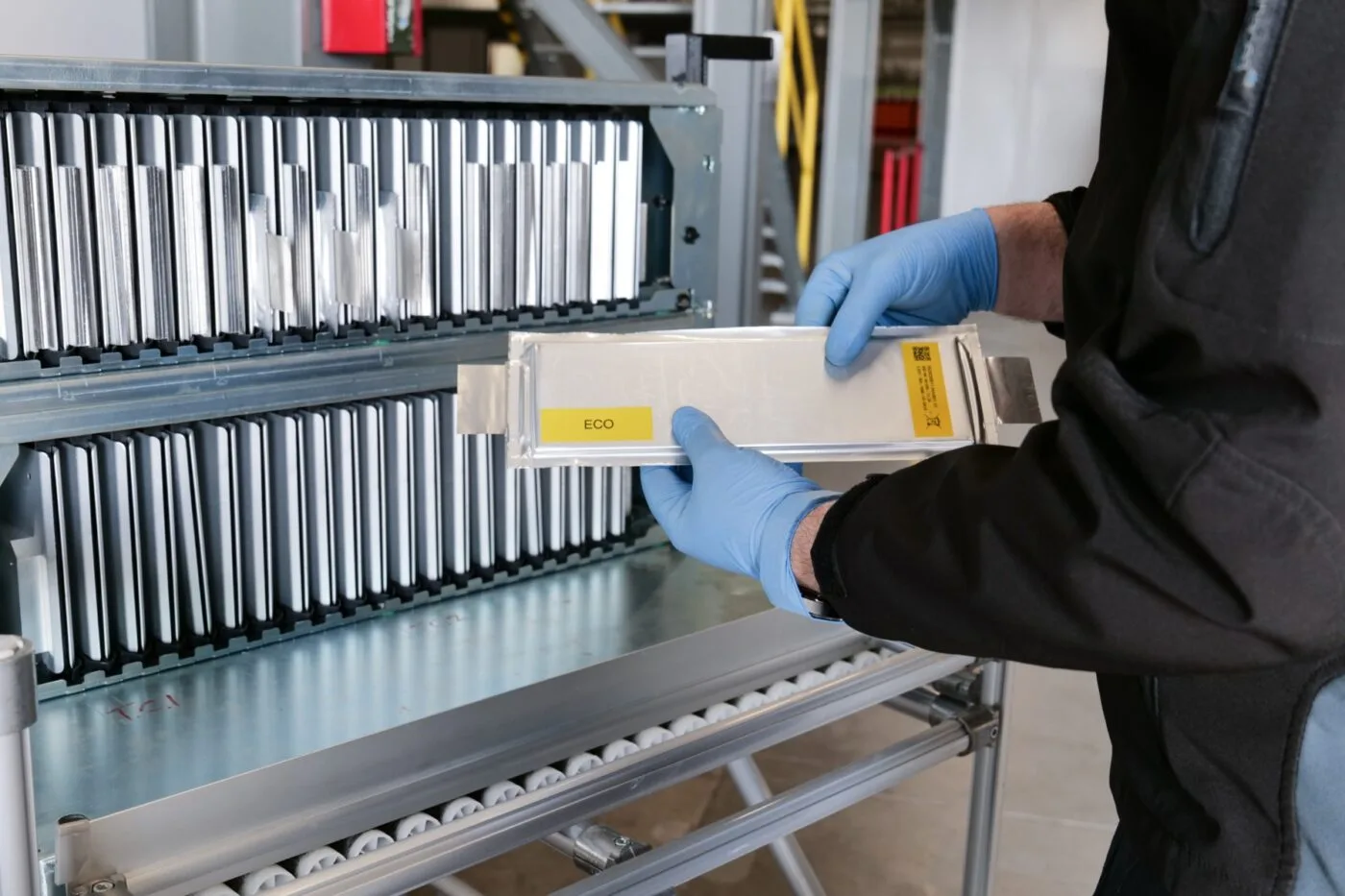
Altilium’s pilot program, executed at the renowned UK Battery Industrialisation Centre (UKBIC) in Coventry, validates the commercial viability of recycled battery components. The trials confirmed that lithium-ion cells incorporating Altilium’s proprietary EcoCathode NMC 811-2036 Cathode Active Material (CAM), recovered from end-of-life EV batteries, perform comparably to cells utilizing virgin materials. This achievement addresses a critical challenge for the EV industry: securing a sustainable and ethically sourced supply of essential raw materials like lithium, nickel, and cobalt, which are often subject to geopolitical volatility and environmental concerns associated with traditional mining.
The company’s advanced EcoCathode process, which recovers CAM from batteries processed at its Devon facility, boasts an impressive efficiency, achieving recovery rates exceeding 95% for these vital minerals. This high recovery rate not only minimizes waste but also offers a compelling economic proposition, potentially reducing the reliance on volatile global commodity markets for key inputs. For investors, this translates into a de-risked supply chain, enhanced resource security, and a more predictable cost structure for battery manufacturing.
Uncompromising Performance: Technical Validation for Industrial Adoption
Skeptics of recycled materials often point to potential performance compromises. Altilium’s rigorous testing at UKBIC directly refutes these concerns. Initial electrochemical performance evaluations revealed less than a one percent variation when compared against benchmark commercial materials. Key parameters scrutinized included energy density, impedance, first cycle loss, and early-stage cycling behavior – all critical factors that dictate a battery’s cost efficiency, lifespan, and overall performance in an electric vehicle. Such minimal deviation is a powerful endorsement of the quality and consistency achievable through Altilium’s recycling methodology.
Furthermore, the manufacturability of the recycled CAM received comprehensive validation across all standard battery production stages. This included slurry mixing, electrode coating, drying, and cell assembly. The company confirmed that its EcoCathode material seamlessly integrates into existing production lines without necessitating significant adjustments or capital expenditure for retooling. This “drop-in” compatibility is paramount for rapid industrial adoption, offering battery manufacturers a straightforward pathway to incorporate recycled content without disrupting current operations or incurring substantial new investment.
Executive Endorsement and Strategic Implications
Dr. Christian Marston, Altilium’s co-founder and COO, underscored the significance of these findings, stating, “These results mark a pivotal moment for battery circularity in the UK. For the first time, we’ve demonstrated that battery grade EV cells can be manufactured at scale using recycled materials – with no compromise on quality or manufacturability.” This executive confidence highlights the potential for widespread commercial application and the firm’s readiness to scale its operations.
Echoing this sentiment, Richard LeCain, Chief Technology Officer at UKBIC, emphasized the broader economic and strategic benefits, noting, “This groundbreaking project marks the beginning of a journey that could reduce the UK’s dependence on imported materials and open up a new market for recycled batteries.” For sovereign nations and regions, establishing localized battery material supply chains becomes a strategic imperative, fostering economic resilience and technological leadership in the burgeoning EV market.
Regulatory Tailwinds and Scaling Ambitions
The timing of Altilium’s achievement aligns perfectly with evolving regulatory landscapes. New EU Battery Regulations, for instance, are set to mandate minimum thresholds for recycled content in EV batteries, creating a powerful market incentive for technologies like EcoCathode. This regulatory push provides a clear advantage for early movers in the recycling space, positioning Altilium to capitalize on a rapidly expanding demand for sustainably sourced materials.
Altilium is not merely resting on its pilot success; the company is aggressively scaling its operational footprint. Its recently inaugurated ACT 2 facility in Plymouth now stands as the UK’s first commercial EV battery recycling site. Looking ahead, the planned ACT 3 plant represents an even more ambitious expansion, projecting the capacity to recover critical battery minerals from up to 24,000 electric vehicles annually. This scaling demonstrates a clear pathway from laboratory validation to industrial-scale processing, promising significant volumes of recycled CAM for the market.
The next critical step involves the rigorous validation of these recycled cells with a leading automotive OEM. A successful outcome here would unlock substantial commercial contracts and firmly embed Altilium’s technology within the mainstream EV manufacturing ecosystem.
Investment Outlook: A Green Future for Industrial Capital
For investors monitoring the energy transition, Altilium’s validated technology presents a compelling case. The ability to produce high-performance battery cells from recycled materials at industrial scale offers multiple layers of value: it addresses environmental sustainability, mitigates supply chain risks, aligns with emerging regulatory mandates, and creates new economic opportunities in the circular economy. As the global push for decarbonization intensifies and EV production targets soar, the demand for critical battery minerals will only accelerate. Companies like Altilium, pioneering efficient and scalable recycling solutions, are poised to become indispensable players in the future of energy, offering attractive long-term prospects within the evolving investment landscape.