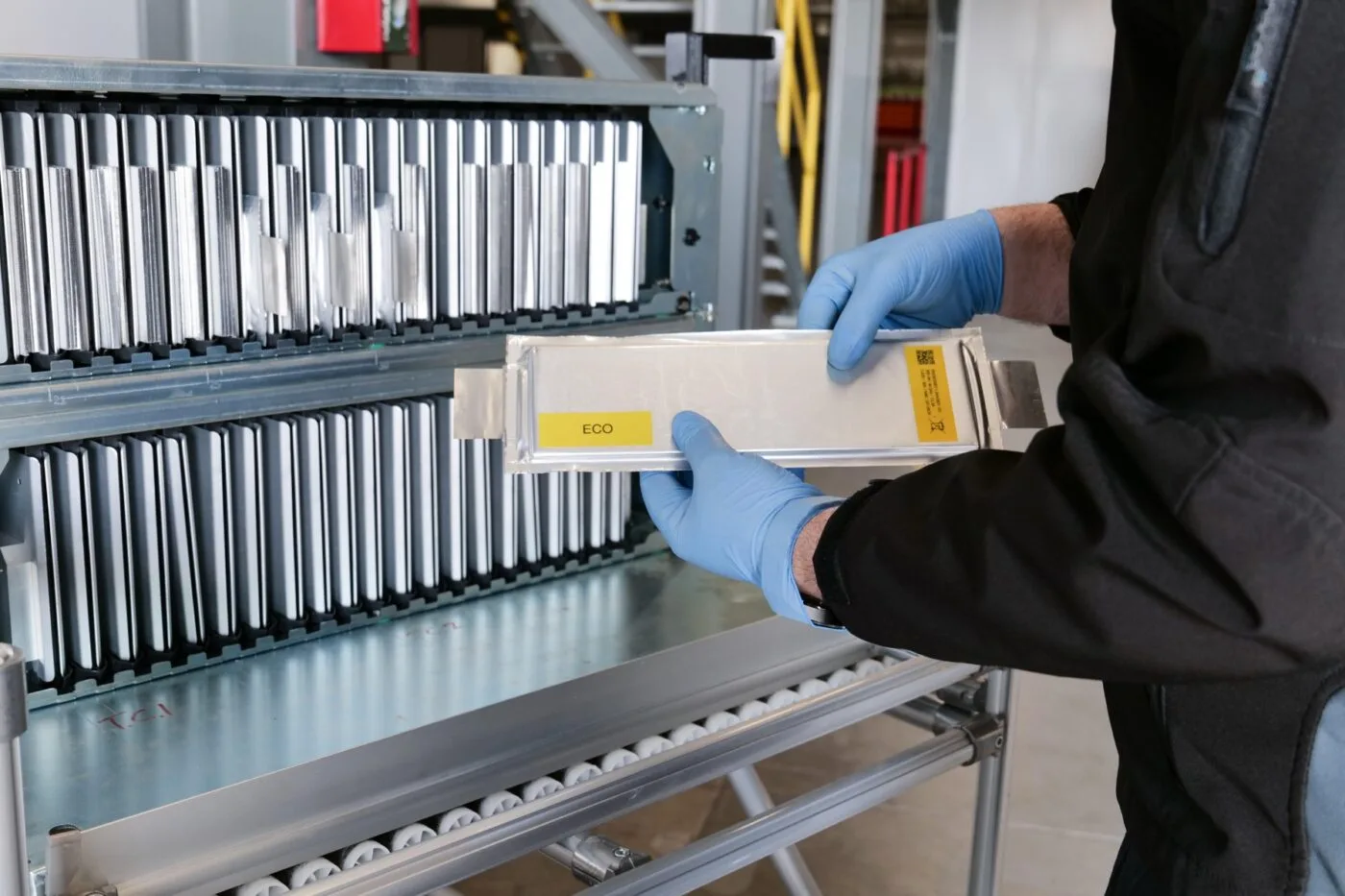
The UK’s energy landscape continues to evolve, with a significant development emerging from the electric vehicle (EV) sector that promises to reshape domestic supply chains and redefine sustainable manufacturing. Altilium, a British clean technology company, in partnership with Jaguar Land Rover (JLR), is set to showcase the nation’s first EV battery cells manufactured using exclusively recycled cathode and anode materials. This groundbreaking initiative, slated for the Cenex Expo 2025, isn’t just a technical achievement; it represents a pivotal moment for investors evaluating long-term energy transition plays amidst a volatile traditional oil market. As crude prices swing, the strategic importance of localized, circular economy solutions in critical minerals comes sharply into focus for those looking to diversify and future-proof their portfolios.
Redefining EV Supply Chain Resilience with Advanced Recycling
The collaboration between Altilium and JLR marks a substantial leap forward for the UK’s ambition to establish a robust and sustainable EV battery ecosystem. At the heart of this initiative is Altilium’s proprietary EcoCathode process, which has demonstrated remarkable efficiency in recovering critical raw materials from end-of-life EV batteries. The process boasts recovery rates exceeding 95% for vital metals such as lithium, nickel, and cobalt, alongside more than 99% for graphite. These recovered materials are then upcycled into high-purity NMC 811 cathode active material (CAM) and purified graphite for anodes, achieving a quality comparable to conventionally mined materials.
This innovation is not merely about recycling; it’s about closing the loop on a critical supply chain. The successful manufacturing of automotive-grade NMC 811 multilayer pouch cells, now undergoing full validation at JLR’s battery testing facilities, signifies that performance and sustainability can indeed coexist. Supported by the Advanced Propulsion Centre UK (APC), the project directly addresses the need for supply chain resilience, reducing the UK’s reliance on imported raw materials and mitigating geopolitical risks associated with mineral sourcing. For investors, this translates into a de-risked manufacturing base and a compelling case for domestic clean technology leadership.
Market Volatility and the Long Game in Energy Transition
While the long-term structural shift towards electrification gains momentum, the traditional energy market continues its characteristic volatility. As of today, Brent Crude trades at $90.38, marking a significant 9.07% drop, with WTI Crude following suit at $82.59, down 9.41%. This steep decline follows a 14-day trend where Brent has shed $20.91, or 18.5%, from its $112.78 high on March 30th. Such sharp movements in crude prices underscore the inherent risks in portfolios solely exposed to fossil fuels and emphasize the need for diversification into more stable, long-term growth sectors like advanced materials and sustainable technology.
The recent dip in gasoline prices to $2.93, a 5.18% reduction, might offer some immediate relief at the pump, but it doesn’t diminish the overarching trend towards EVs. For discerning investors, this market snapshot highlights a crucial divergence: short-term commodity price swings versus the steady, strategic build-out of a circular economy in critical minerals. The investment thesis for companies like Altilium becomes stronger in this environment, offering a hedge against the unpredictability of primary commodity markets and aligning with global regulatory pushes, such as upcoming EU battery regulations that mandate minimum recycled content.
Navigating Near-Term Drivers Amidst Structural Shifts
The next two weeks are packed with events that will undoubtedly drive short-term price action in the oil and gas sector. Investors are closely watching the OPEC+ meetings, with the Joint Ministerial Monitoring Committee (JMMC) convening today, April 18th, followed by the Full Ministerial Meeting tomorrow, April 19th. Any decisions regarding production quotas will have an immediate impact on supply expectations and crude prices. Furthermore, the API and EIA Weekly Crude Inventory reports on April 21st and 28th, and April 22nd and 29th respectively, will provide crucial insights into demand and storage levels. The Baker Hughes Rig Count on April 24th and May 1st will offer a glimpse into future production capacity.
These traditional market catalysts demand immediate attention for those trading energy commodities. However, for long-term investors, it’s vital to place these immediate drivers within the broader context of the energy transition. While OPEC+ discussions and inventory data will create tactical trading opportunities, the strategic implications of Altilium and JLR’s work point towards a future where the value chain for transportation energy is fundamentally different. Diversifying into companies that are building out this future, rather than just reacting to the present, is a prudent strategy.
Addressing Investor Concerns: Future-Proofing Portfolios Beyond Crude
Our proprietary reader intent data reveals a consistent investor focus on the future trajectory of energy markets. A prominent question this week centers on predictions for the price of oil per barrel by the end of 2026, alongside inquiries about OPEC+ production quotas. These questions highlight a keen awareness of market uncertainty and the desire to understand long-term trends and foundational supply-demand dynamics.
The Altilium-JLR partnership directly addresses these long-term concerns by offering a compelling investment narrative beyond the volatility of crude. By demonstrating that recycled materials can meet automotive performance standards while dramatically reducing emissions and reliance on imported raw materials, this initiative provides a tangible pathway to de-risk the EV supply chain. Investing in such clean technology not only aligns with sustainability goals but also offers exposure to a sector driven by technological innovation and regulatory tailwinds, providing a strategic counterpoint to traditional oil and gas plays. It’s a move towards future-proofing portfolios by embracing the circular economy, reducing exposure to geopolitical risks associated with virgin material extraction, and capitalizing on the growing demand for ethically sourced and sustainable industrial inputs.
Investment Implications: A New Frontier for UK Clean Tech
The successful development and impending showcase of EV battery cells made with recycled materials by Altilium and JLR represent more than just a technical triumph; they signal a significant investment opportunity within the UK’s burgeoning clean technology sector. This project solidifies the UK’s position as a leader in battery recycling innovation, creating a blueprint for circular material use that can be scaled across the automotive industry.
For investors, the implications are clear: companies like Altilium, with validated, high-efficiency processes for critical raw material recovery, are poised for substantial growth. Their ability to deliver high-purity, consistent cathode materials that perform comparably to conventional options, combined with the strategic backing of major automotive players like JLR and government support via the APC, positions them favorably. This is not merely about environmental responsibility; it’s about creating economic value through resource efficiency, supply chain security, and compliance with evolving global regulations. As the world accelerates its transition to electric mobility, the firms mastering the full lifecycle of battery materials will be the ones that deliver enduring value.


