The global energy landscape continues to pivot, with West Africa emerging as a critical region for accelerated deepwater oil and gas development. As investors navigate volatile markets, the ability to bring projects online rapidly and efficiently becomes paramount. Altera Infrastructure, a key player in offshore engineering, recently highlighted its strategic reliance on UK-based expertise to drive fast-track projects in this burgeoning region, particularly in Ivory Coast. This focus on speed, local content, and innovative financing presents a compelling case for investors seeking growth and stability in their energy portfolios, even as broader market signals remain mixed.
Ivory Coast’s Rapid Ascent in Offshore Production
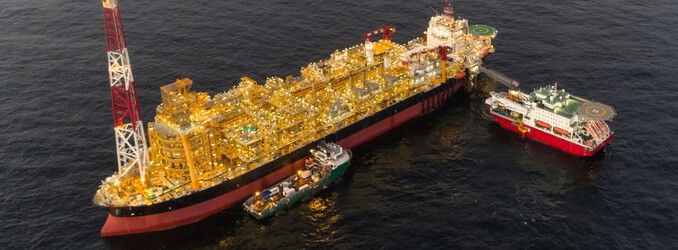
Ivory Coast is quickly establishing itself as a significant deepwater hub, exemplified by the rapid progress at the Eni-operated Baleine field. Altera Infrastructure’s deployment of the Petrojarl Kong FPSO serves as a benchmark for what accelerated development can achieve. The vessel commenced operations in December 2024, a remarkable 24 months after its redevelopment began in late 2022. This fast-tracked schedule underscores a strategic shift towards quicker monetization of offshore assets, a crucial factor for investors looking to optimize capital deployment and accelerate returns. Currently, the Petrojarl Kong FPSO processes an impressive 40,000 barrels per day of oil and 44 million standard cubic feet per day of gas. Critically, the associated gas is not flared but directed to an onshore power plant in Ivory Coast, demonstrating an integrated approach that addresses both energy production and domestic supply needs, enhancing project sustainability and local impact.
Strategic Financing and Localized Value Creation
Beyond operational efficiency, Altera has showcased a robust financial and social framework for its West African endeavors. The company secured $464 million in post-delivery financing through a U.S. private placement, a landmark transaction noted as the first of its kind for a West African offshore project. This innovative financing structure significantly strengthens the commercial foundation for future deepwater developments in the region, offering a blueprint for attracting further capital. Equally important is Altera’s deep commitment to local content and workforce development. The company reports 85% Ivorian employment onshore and 46% offshore, supported by extensive training programs and partnerships with technical institutions. This localization strategy, including sourcing more equipment and services locally and deploying North Sea-proven emissions-reduction technologies, not only fosters goodwill but also mitigates operational risks and builds long-term technical capacity within the host nation. For investors, this translates into more stable operations and reduced regulatory hurdles, creating a more attractive investment environment.
Navigating Market Volatility with Strategic Offshore Investments
The broader market context for these developments remains dynamic. As of today, Brent Crude trades at $94.68, reflecting a -0.84% dip within a daily range of $93.87 to $95.69. This marks a notable shift from just two weeks ago, when Brent was trading at $118.35, indicating a significant -19.8% decline over the period. Such market fluctuations naturally prompt investors to question the resilience and profitability of new projects. However, fast-track deepwater developments like Baleine, characterized by rapid first oil and integrated gas utilization, offer a compelling counter-narrative. The ability to bring significant production online quickly can provide a crucial hedge against price volatility, ensuring cash flow generation even amidst short-term market corrections. While the upfront capital expenditure for deepwater projects is substantial, the long-term operational efficiency and the strategic value of diversified, reliable supply sources from politically stable and development-focused regions like Ivory Coast can justify the investment, especially with the added benefit of supplying domestic power grids.
Forward Outlook and Investor Focus on Future Prices
The questions posed by OilMarketCap.com readers this week, such as “what do you predict the price of oil per barrel will be by end of 2026?”, underscore the prevailing uncertainty and the critical need for forward-looking analysis. While no analyst can offer a definitive prediction, upcoming events will provide crucial directional cues. The OPEC+ JMMC Meeting scheduled for April 21st could signal production adjustments, directly influencing global supply sentiment. Further insights will come from the EIA Weekly Petroleum Status Reports on April 22nd and April 29th, offering a snapshot of U.S. inventory levels and demand. Investors will also be keen on the Baker Hughes Rig Count on April 24th and May 1st for indications of drilling activity. Most significantly for long-term outlooks, the EIA Short-Term Energy Outlook on May 2nd will provide updated forecasts for the remainder of 2026, directly addressing reader concerns about future price trajectories. Against this backdrop, West African deepwater projects, with their capacity for rapid development and their strategic importance in diversifying global supply, are well-positioned to attract continued investment, offering attractive returns for those who recognize the long-term value in a rapidly evolving energy market.