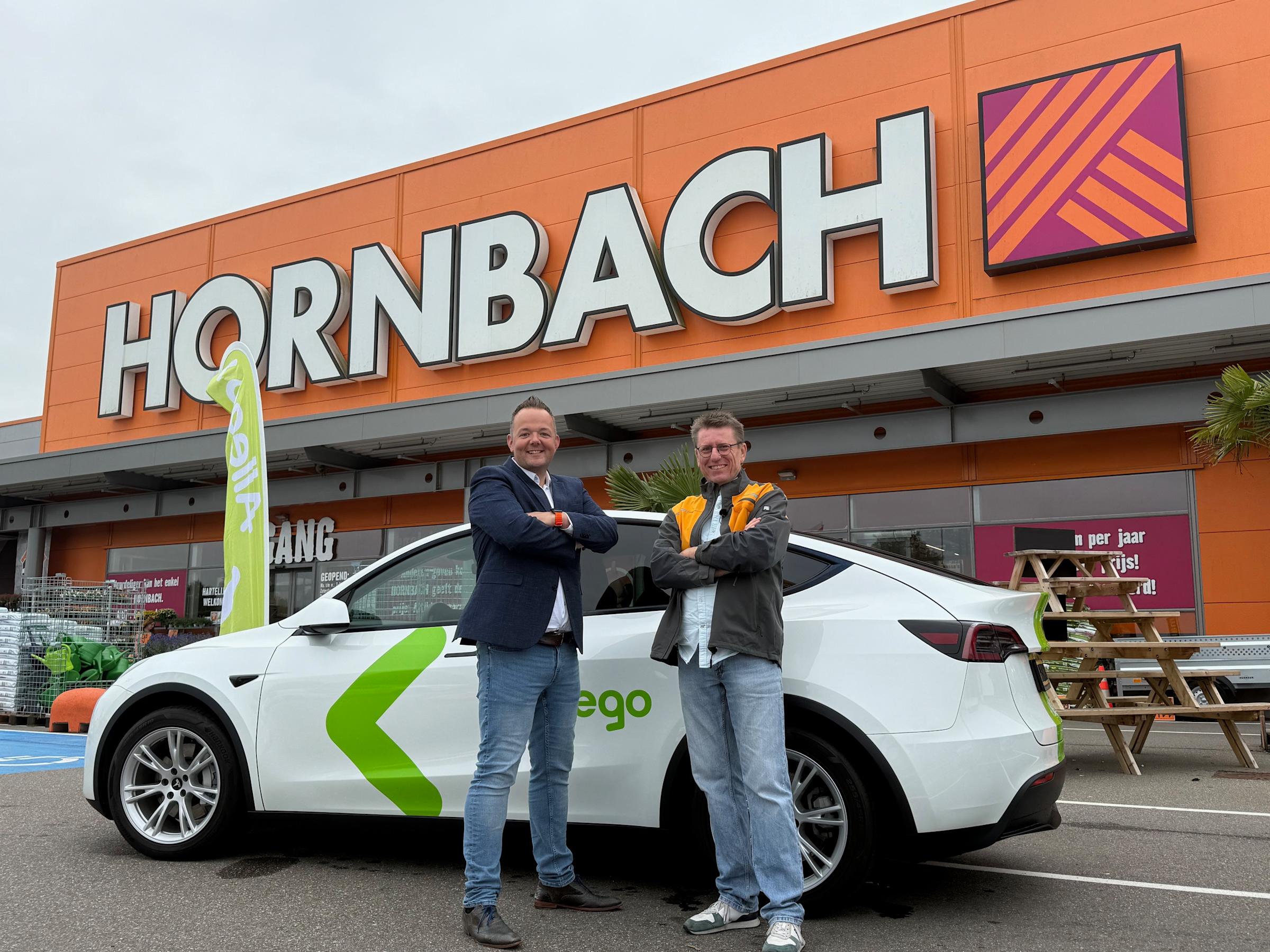
The energy transition continues to accelerate, with recent developments in charging infrastructure signaling a persistent, long-term headwind for traditional oil demand. A notable partnership between Allego, a prominent EV charging network, and DIY retail giant HORNBACH in the Netherlands, exemplifies this trend. Their collaboration to establish 20 new fast-charging hubs, totaling at least 160 charging stations, across HORNBACH store parking lots nationwide, marks a significant step in making EV charging more accessible and convenient. This initiative, set to roll out in Q1 2026 and be fully operational by Q4 2026, is not merely a local story; it represents a microcosm of the broader shift impacting global oil and gas markets, prompting investors to reassess long-term demand forecasts and portfolio strategies.
Strategic Expansion of EV Infrastructure: A Grid-Friendly Approach
The Allego-HORNBACH alliance is particularly impactful due to its strategic focus on destination charging. By integrating fast-charging stations, capable of up to 150 kW, directly into high-traffic retail locations, the partnership addresses a critical consumer need: efficient charging while engaged in other activities. This convenience factor is a powerful driver for EV adoption, benefiting both residential shoppers and, significantly, professional users of electric commercial vehicles, such as electric DIY vans. As more cities move towards emission-free zones, the availability of reliable, fast charging becomes paramount for businesses operating in these areas. The project’s ambition doesn’t stop at these 20 hubs; Allego aims to expand its network in the Netherlands to 80 fast-charging hubs by 2026, further solidifying the nation’s EV infrastructure.
Crucially, this expansion tackles one of the most significant challenges currently facing charging infrastructure development: grid congestion. Allego’s innovative approach combines battery storage with intelligent load balancing, enabling high charging speeds even on existing grid connections with limited capacity. This “grid-friendly” and scalable solution mitigates peak loads and ensures predictable charging rates, effectively unlocking the potential for new fast-charging hubs in dense urban and suburban areas. For oil and gas investors, this technological advancement signals that the infrastructural hurdles to widespread EV adoption are being systematically overcome, accelerating the displacement of gasoline and diesel consumption.
Current Market Volatility Against a Backdrop of Long-Term Shifts
While the long-term trend towards electrification gains momentum, the immediate oil market remains subject to significant volatility. As of today, Brent Crude trades at $90.38 per barrel, reflecting a sharp 9.07% decline within the day, with a range between $86.08 and $98.97. Similarly, WTI Crude has seen a 9.41% drop, settling at $82.59, moving between $78.97 and $90.34. This daily downturn extends a broader trend, with Brent having fallen by $20.91, or 18.5%, from $112.78 just a fortnight ago. Gasoline prices have followed suit, currently at $2.93, down 5.18% for the day.
These pronounced price movements highlight the sensitivity of crude markets to a multitude of factors, from geopolitical tensions to economic indicators. However, even amidst this short-term flux, the underlying narrative of energy transition, driven by initiatives like the Allego-HORNBACH partnership, cannot be ignored. Every new charging station, every electric vehicle sold, incrementally chips away at the demand base for refined petroleum products. While the Netherlands’ 160 new charging points may seem small on a global scale, they represent hundreds of thousands of potential electric vehicle miles no longer reliant on gasoline, contributing to the persistent pressure on long-term oil demand forecasts.
Investor Focus: Peering Through the Volatility to 2026 and Beyond
Our proprietary reader intent data reveals that investors are keenly focused on navigating this complex landscape. A recurring question this week asks for predictions on the price of oil per barrel by the end of 2026, reflecting the challenge of reconciling short-term market noise with long-term structural changes. Another common query revolves around the current production quotas set by OPEC+. These questions underscore a dual investor imperative: understanding immediate supply-side dynamics while simultaneously evaluating the enduring impact of demand-side shifts like electrification.
For oil and gas companies, the strategic implications are profound. Firms like Repsol, which some of our readers are specifically asking about for their April 2026 performance, are under increasing scrutiny regarding their transition strategies. The ability to pivot towards lower-carbon energy solutions, invest in renewables, or adapt to evolving fuel demand patterns will be crucial for long-term value creation. The Allego-HORNBACH expansion, by making EV ownership more practical, reinforces the urgency for traditional energy companies to articulate clear, actionable plans for the energy transition, moving beyond fossil fuels for specific market segments.
Upcoming Catalysts and Strategic Imperatives
In the immediate term, several key events will shape crude market sentiment. The upcoming OPEC+ Joint Ministerial Monitoring Committee (JMMC) and Full Ministerial meetings, scheduled for April 18th and 19th respectively, are paramount. Investors will be closely watching for any signals regarding production quotas, which could significantly influence short-term supply and price stability. Any decision to adjust output, whether to stabilize prices or respond to perceived demand shifts, will have immediate repercussions across the market.
Beyond OPEC+, weekly data releases will continue to provide critical insights into market health. The API Weekly Crude Inventory (April 21st, 28th) and the EIA Weekly Petroleum Status Report (April 22nd, 29th) offer crucial snapshots of U.S. crude, gasoline, and distillate stocks, serving as proxies for demand and supply balances. Furthermore, the Baker Hughes Rig Count (April 24th, May 1st) will indicate future production trends. While these events dictate much of the day-to-day and week-to-week price action, investors must integrate this real-time data with the broader, long-term narrative of energy transition. The Allego-HORNBACH partnership, by providing concrete evidence of accelerating EV infrastructure, serves as a powerful reminder that even as we analyze immediate market catalysts, the foundational shift away from fossil fuels in transportation continues its inexorable march forward, demanding a nuanced and adaptive investment strategy.