Alberta Wildfires Ignite Production Concerns in Canada’s Oil Sands
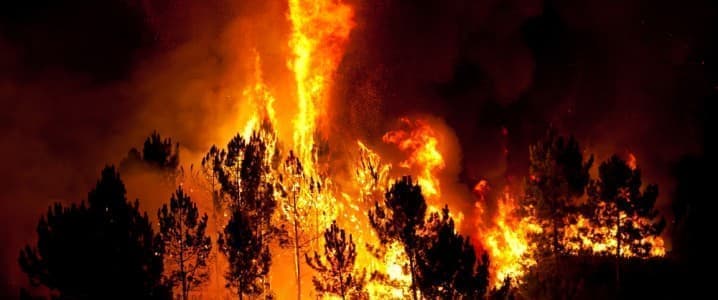
Wildfires have once again flared across northern Alberta, casting a shadow over Canada’s vital oil sands region and immediately drawing the attention of energy investors. The blazes, some dangerously close to operational oil wells managed by industry giant Canadian Natural Resources, have already triggered mandatory evacuation orders, including for the community of Swan Hills, as reported by Canadian media outlets. For market participants tracking global energy supply, these early-season events signal potential disruptions to a significant crude source.
Alberta authorities confirm a dynamic and challenging situation on the ground. Currently, approximately 48% of the wildfires are categorized as under control, indicating some progress in containment efforts. However, a concerning 44% remain out of control, presenting an active and unpredictable threat. One particular blaze has been identified by Bloomberg as dangerously close, situated within half a kilometer of a Canadian Natural Resources well site and roughly 20 kilometers from other key oil infrastructure. This proximity underscores the immediate operational risks faced by upstream producers in the region.
A Recurring Threat: Historical Precedent for Production Impacts
Spring marks the annual wildfire season in Canada’s primary oil-producing province, and these blazes frequently interfere with the intricate operations of oil sands production. Investors need to recall the significant impact of past seasons. A stark reminder is the 2016 Fort McMurray disaster, which necessitated the evacuation of 90,000 residents and resulted in a substantial shutdown of approximately 1 million barrels per day (bpd) of oil production across the affected area. Such events highlight the vulnerability of the region’s energy output to environmental factors.
Last year’s wildfire season also led to production curtailments, as fires encroached upon well sites and forced the evacuation of personnel from critical facilities. While those curbs were generally considered modest in their overall market impact, specific operators faced considerable challenges. Notably, Suncor Energy was compelled to temporarily shut down an oil sands site capable of producing over 200,000 barrels of crude daily, illustrating the material impact even localized events can have on individual company output and, by extension, investment valuations.
Forecasting a Challenging Season Ahead
What makes the current situation particularly concerning for the energy market is that this year’s wildfire season is merely commencing. The province is actively preparing for an escalation in fire activity over the coming days, exacerbated by strong winds forecast for later this week. Environment Canada’s latest meteorological reports paint a grim picture: “A north-south oriented trough combined with a cold front that will move from west to east across Alberta will initiate showers and thunderstorms.” More critically for wildfire propagation, the forecast warns: “These high-based thunderstorms will move quickly, making strong wind gusts, up to 100 km/h, the primary threat.” Such extreme weather conditions are ideal for rapidly spreading existing fires and igniting new ones, posing an elevated risk to oil and gas operations.
For investors, the potential for sustained and widespread disruptions adds a layer of uncertainty to Canadian heavy crude supply. Strong winds can not only spread fires but also create hazardous conditions for firefighting efforts and personnel transport, potentially prolonging any forced production outages. Monitoring weather patterns and their direct impact on ground operations will be crucial for assessing real-time supply risks.
Broader Market Headwinds Compound Local Challenges
These emerging wildfire threats arrive at a time when Alberta’s energy industry is already grappling with a prevailing sense of market despondency. The sector has recently endured a significant commodity price downturn, stemming from a confluence of global economic and geopolitical factors. A primary driver was the tariff dispute initiated by former U.S. President Donald Trump, which disrupted global trade flows and dampened overall demand sentiment for crude oil.
Furthermore, the faster-than-anticipated unwinding of the OPEC+ production cuts, originally agreed upon in 2022, injected additional supply into an already soft market, putting downward pressure on prices. This broader macroeconomic and supply-side context means that any operational disruptions caused by the wildfires, however localized, could have a more pronounced psychological and financial impact on Canadian energy producers and their valuations. Investors are already navigating a complex landscape of market uncertainty, making any new supply-side shock a heightened concern for portfolio managers with exposure to North American upstream assets.
OilMarketCap.com will continue to monitor the situation in Alberta, providing timely updates on the operational status of energy facilities and the evolving impact on Canadian crude production and global commodity markets. Investors with holdings in Canadian heavy oil producers should remain vigilant as the wildfire season progresses.