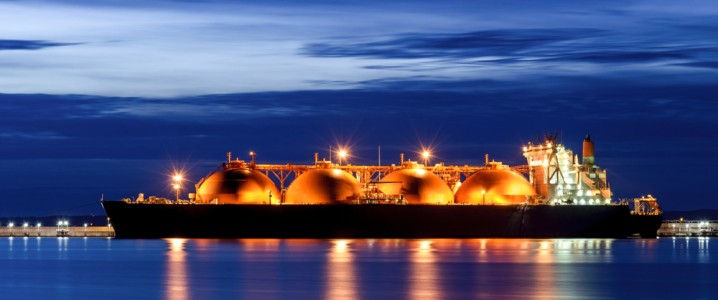
De-risking Alaska LNG: The $44 Billion Arctic Giant Nears a Critical Milestone
The ambitious $44 billion Alaska LNG project, poised to unlock vast natural gas reserves from the North Slope, is on the cusp of a significant de-risking event for investors. Proponents are slated to complete a crucial Front-End Engineering Design (FEED) study by the close of the year, a development signaling a major step towards greater cost certainty and technical validation. This extensive study, encompassing the monumental 800-mile pipeline, is expected to provide the granular detail necessary to attract substantial capital. The optimism surrounding this development is palpable among U.S. officials, with the Secretary of the Interior expressing confidence that the December release of the FEED study will ignite considerable investor interest. For a project of this scale and complexity, moving from conceptual design to detailed engineering estimates is a pivotal moment, transforming speculative opportunities into concrete investment propositions.
Navigating Volatility: Market Dynamics and Long-Term LNG Demand
While the long-term outlook for projects like Alaska LNG remains robust, investors are acutely aware of the short-term volatility impacting energy markets. As of today, Brent Crude trades at $90.38 per barrel, marking a significant daily decline of 9.07% and ranging between $86.08 and $98.97. Similarly, WTI Crude stands at $82.59, down 9.41% within a day range of $78.97 to $90.34. This immediate price action, reflecting broader macroeconomic concerns or shifts in supply-demand fundamentals, presents a challenging backdrop for capital allocation. Over the past two weeks alone, Brent has shed nearly 20% of its value, dropping from $112.78 on March 30th to its current level. However, for a multi-decade natural gas export facility like Alaska LNG, which is designed to deliver gas to Asian allies and meet in-state demand, the investment thesis is built on sustained global demand for cleaner-burning fuels, particularly in fast-growing economies across the Pacific.
The project’s strategic alignment with U.S. energy diplomacy, aimed at reducing trade deficits and strengthening alliances, provides a geopolitical tailwind that can help insulate it from some market fluctuations. Furthermore, the reported $115 billion in potential purchase commitments from as many as 50 companies underscores a strong underlying market appetite for Alaskan LNG. This demand signal is critical, suggesting that buyers are willing to commit to long-term contracts, which often feature pricing mechanisms distinct from spot crude benchmarks, offering a degree of revenue stability that can be highly attractive in volatile times.
Investor Questions and Upcoming Catalysts
Our proprietary reader intent data reveals a clear focus among investors on future price trajectories and broader market stability. Questions such as “What do you predict the price of oil per barrel will be by end of 2026?” highlight a strong desire for long-term clarity in an uncertain environment. While Alaska LNG focuses on natural gas, the overall energy market sentiment, heavily influenced by crude prices, directly impacts investor confidence and capital availability for major projects. Similarly, inquiries about “OPEC+ current production quotas” reflect the market’s constant monitoring of supply-side influences that dictate global energy pricing.
Against this backdrop, the completion of the FEED study by year-end acts as the primary near-term catalyst for Alaska LNG. Looking further ahead, while there are no direct project-specific events, the broader energy calendar will shape the investment climate. The upcoming OPEC+ Joint Ministerial Monitoring Committee (JMMC) and Ministerial Meetings on April 19th and 20th, respectively, could introduce significant shifts in crude supply strategy, impacting global energy prices. Subsequent API and EIA Weekly Petroleum Status Reports on April 21st, 22nd, 28th, and 29th, alongside the Baker Hughes Rig Count on April 24th and May 1st, will offer continuous insights into U.S. production and inventory levels. These events, though not directly tied to Alaska LNG, provide the macro context that investors use to assess risk and return across the energy sector. A stable or improving market sentiment, potentially buoyed by favorable outcomes from these events, could create a more receptive environment for securing the substantial financing required for Alaska LNG’s final investment decision (FID).
Addressing Cost Concerns: The Path to Financial Investment Decision
A key hurdle for the $44 billion Alaska LNG project has been persistent concerns regarding its high cost, particularly given the challenging Alaskan climate and the immense scale of the 800-mile pipeline required to transport gas from the North Slope to south-central Alaska for export. Japanese and other Asian companies, while expressing interest, have historically voiced these cost anxieties. This is precisely where the upcoming FEED study becomes invaluable. By providing definitive engineering and cost estimates, the study directly addresses these concerns, offering the transparency and precision necessary for potential investors to conduct thorough due diligence and commit capital.
The project’s joint venture, comprising U.S. energy developer Glenfarne Group and the state-owned Alaska Gasline Development Corporation, is working to mitigate these perceived risks. The strong backing from the U.S. administration, which has actively pressed allies like Japan and South Korea to increase LNG purchases, further underscores the strategic importance and potential for political support to smooth the path for financial commitments. By delivering a de-risked and clearly defined cost structure through the FEED study, the proponents aim to convert the current “expressions of formal interest” from 50 companies, representing $115 billion in potential LNG purchases, into binding agreements. This transition from interest to commitment will be contingent on proving the project’s economic viability and competitive standing against other global LNG supply sources.
Investment Outlook: A Pivotal Year for Alaska LNG
The Alaska LNG project stands at a critical juncture. The completion of the FEED study by year-end is not merely a technical milestone; it is a financial and strategic catalyst. For investors seeking long-term exposure to North American natural gas exports, this study offers the clarity needed to evaluate a multi-billion-dollar opportunity. While the immediate energy market is characterized by volatility, as evidenced by recent crude price movements, the enduring global demand for LNG, especially from U.S. allies, provides a resilient foundation. The confluence of de-risked engineering, robust market interest, and strategic governmental support positions Alaska LNG for a potentially transformative phase. Investors should closely monitor the outcome of the FEED study in December, as it will likely unlock the next wave of capital commitment and propel this arctic giant towards a final investment decision.


