The SAF Ascent: A Strategic Pivot in Aviation Fuel Investment
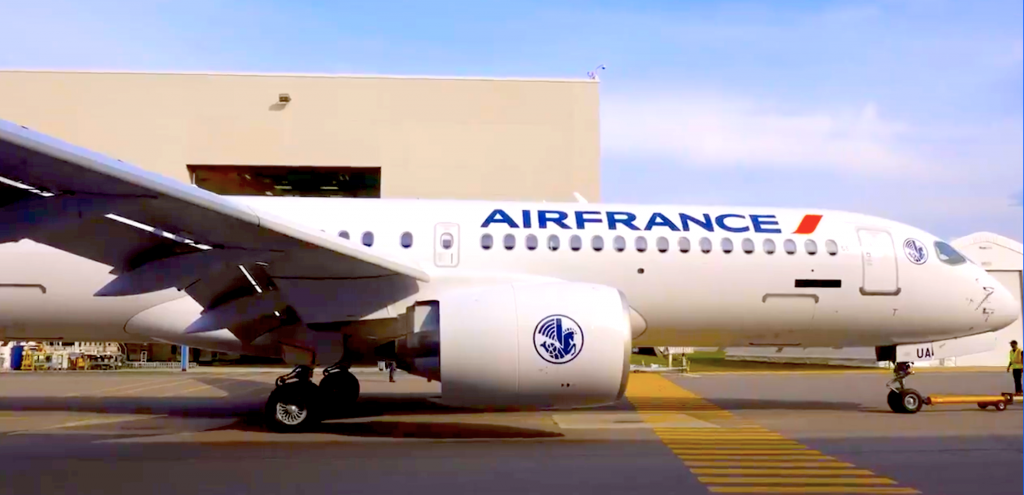
The recent delivery flight of Air France’s 46th Airbus A220-300, named “VAISON-LA-ROMAINE,” from Mirabel to Paris on a 50% blend of Sustainable Aviation Fuel (SAF), marks more than just an operational milestone. This event, coupled with Airbus Canada’s issuance of official sustainability credentials certified under ICAO’s CORSIA framework, signals a maturing SAF market that demands serious attention from energy investors. As the broader energy landscape navigates significant volatility, the consistent upward trajectory of SAF adoption, driven by stringent decarbonization targets and technological advancements, offers a compelling narrative for long-term growth and diversification within an investment portfolio.
Beyond the Blend: Tangible Progress in Sustainable Aviation
The Mirabel-to-Paris flight demonstrated a tangible reduction of over 25 tonnes of emissions, with the SAF blend itself achieving up to an 85% lifecycle emissions reduction compared to conventional jet fuel. This is not merely a symbolic gesture; it’s a concrete demonstration of SAF’s immediate impact and scalability. Airbus’s commitment underscores this, with plans to integrate 170,000 liters of pure SAF at its Mirabel site in 2025, projecting a cut of approximately 400 metric tonnes of CO2 emissions. This forward-looking commitment from a major aerospace manufacturer, alongside Air France-KLM’s strategic emphasis on fleet renewal and SAF as the twin pillars of aviation decarbonization, provides a robust demand signal for the nascent SAF industry. The fact that 78% of Airbus deliveries in the first half of 2025 utilized SAF blends further solidifies the trend, indicating that SAF is rapidly moving from niche application to standard practice in aircraft delivery protocols.
Navigating Volatility: SAF’s Distinct Appeal Amidst Crude Swings
While the long-term outlook for SAF remains robust, it’s crucial for investors to contextualize this growth against the backdrop of the broader energy market. As of today, Brent Crude trades at $90.38, reflecting a significant -9.07% decline within the day, with its range fluctuating between $86.08 and $98.97. Similarly, WTI Crude has dropped to $82.59, down -9.41% on the day, traversing a range of $78.97 to $90.34. This sharp downturn comes after a broader 14-day trend saw Brent fall from $112.78 on March 30th to $91.87 yesterday, representing an 18.5% erosion of value. Such dramatic swings underscore the inherent volatility in traditional crude markets, influenced by geopolitical events, supply dynamics, and global demand shifts.
In this environment, the distinct investment case for SAF becomes particularly compelling. Unlike conventional jet fuel, whose price is intrinsically linked to crude, SAF’s value proposition is driven by regulatory mandates (like CORSIA), corporate sustainability targets, and the increasing premium placed on ESG compliance. While a sustained period of exceptionally low crude prices could theoretically impact SAF’s cost competitiveness, the long-term regulatory and corporate push for decarbonization provides a foundational demand floor that traditional fuels lack. Investors seeking to diversify away from the cyclicality and geopolitical risks of fossil fuels will find SAF a strategically attractive, albeit still developing, market.
Investor Focus: Capitalizing on Green Aviation’s Growth Trajectory
A recurring theme among investors this week, reflected in questions about oil price predictions for the end of 2026 and the performance of integrated energy companies like Repsol, highlights a critical concern: how to position portfolios for future energy landscapes. While these questions often center on traditional oil and gas, the underlying desire is for clarity on long-term value creation. This is precisely where SAF presents a compelling answer. The commitment from Airbus to certify all its aircraft for 100% SAF compatibility by 2030, combined with Air France’s ongoing fleet renewal with efficient aircraft like the A220 (which offers a 25% reduction in fuel burn and emissions per seat), paints a clear picture of future demand. For investors, this translates into opportunities beyond just airline stocks. The “game-changer” aspect of direct SAF delivery, as noted by industry leaders, points to growing infrastructure needs and streamlined supply chains.
Investment opportunities extend across the entire SAF value chain: from companies developing advanced biofuel technologies and processing waste feedstocks, to those building out production facilities, and even agricultural entities supplying sustainable biomass. As the market expands, the need for robust tracking and certification, as demonstrated by the CORSIA-certified Proofs of Sustainability for the A220 flight, will also create demand for specialized services and technologies. Identifying companies that are pioneering these solutions, or those traditional energy players like Repsol that are actively pivoting into biofuel production, will be key to unlocking value in this evolving sector.
Forward Momentum: Beyond Crude Events, SAF’s Independent Trajectory
Looking ahead, while the immediate focus for many in the energy sector will be on upcoming events like the OPEC+ Joint Ministerial Monitoring Committee (JMMC) meeting this Saturday and the full Ministerial meeting on Sunday, followed by the API and EIA Weekly Petroleum Status Reports next Tuesday and Wednesday, the trajectory for SAF is driven by a distinct set of long-term factors. These short-term events will undoubtedly influence crude prices and broader market sentiment, but they are unlikely to derail the fundamental shift towards sustainable aviation. The underlying drivers for SAF are deeply embedded in global climate policy, corporate ESG commitments, and technological innovation rather than immediate supply-side adjustments of crude oil.
The real forward momentum for SAF will come from continued policy support for production incentives, advancements in feedstock diversification beyond traditional agricultural sources, and further investment in scalable conversion technologies. As Airbus targets 100% SAF compatibility by 2030, and airlines globally commit to ambitious decarbonization targets, the demand for SAF is set to accelerate independently of daily crude price fluctuations. Investors should monitor developments in regulatory frameworks, new SAF production capacity announcements, and strategic partnerships between airlines, refiners, and technology providers. These indicators, more so than the weekly crude inventory numbers or OPEC+ quotas, will be the true bellwethers for the long-term growth and profitability of the sustainable aviation fuel market.


