Canada’s Wildfire Crisis Signals Escalating Risk for Energy Investors
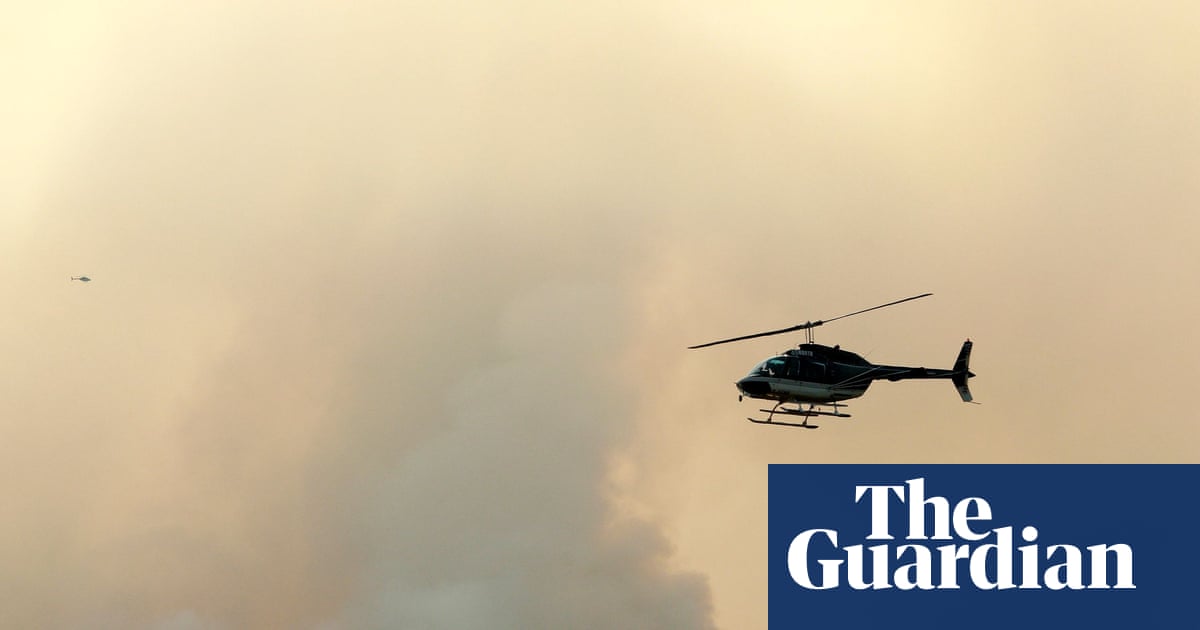
A relentless onslaught of wildfires, predominantly sweeping across Canada’s Prairie provinces, has triggered widespread and severe air quality warnings spanning both Canada and the United States. This environmental crisis casts a long shadow, demanding immediate attention from investors tracking the stability and operational resilience of Canada’s crucial energy sector. On Monday, major urban centers including Detroit, Michigan, alongside Canadian metropolises Montreal and Toronto, registered some of the planet’s most hazardous air quality levels, according to the global ranking provided by IQAir, a prominent Swiss air quality technology firm.
Unprecedented Scale of Environmental Disruption
The sheer magnitude of this year’s fire season is undeniable. Currently, more than 700 active wildfires are consuming Canadian landscapes, with approximately two-thirds of these raging completely out of control, as reported by the Canadian Interagency Forest Fire Centre (CIFFC). This season’s destruction has already reached a staggering 6,625,375 square meters of land, representing a dramatic 82% surge compared to the 2,785,140 square meters burned during a recent complete year. While isolated incidents, such as a brush fire in British Columbia reportedly ignited by an osprey dropping a fish onto a power line (which was subsequently extinguished), do occur, the predominant drivers behind the pervasive smoke, reduced visibility, and dangerously poor air quality are far more systemic. Natural Resources Canada attributes most of these fires to warmer-than-average temperatures, persistent drought conditions, significantly diminished snowpack levels, and critically low soil moisture – all factors directly linked to global heating. Additionally, officials have confirmed that some blazes, including one discovered earlier this week on the banks of Cameron Lake in British Columbia, originated from human activity.
A “New Normal” for Canadian Operations
Monica Vaswani, a warning preparedness meteorologist with Environment Canada, describes the current situation as shaping up to be “a particularly bad wildfire season.” She notes this trend is “not unlike what we’ve been seeing in the last few years… unfortunately it’s kind of becoming a little bit more the norm.” This pronouncement signals a critical shift for investors: environmental challenges, once considered intermittent, are now evolving into persistent operational headwinds. Health advisories underscore the severity, recommending that vulnerable populations, including the elderly, children, and individuals with respiratory or heart conditions, drastically limit outdoor exposure in Toronto and its surrounding municipalities. The general population also faces significant risk, with indoor activities strongly encouraged. Such widespread health warnings can translate directly into workforce disruptions, impacting productivity and the availability of essential personnel for energy operations across affected regions.
Evacuations and Supply Chain Vulnerabilities
The ongoing wildfires have necessitated numerous evacuations across Canada in recent weeks, posing direct threats to regional stability and potentially impacting local economies that support energy infrastructure. In northern Manitoba, the Nisichawayasihk Cree Nation faced a full evacuation order due to encroaching wildfires. On the eastern side of Vancouver Island, over 400 properties received mandatory evacuation notices, with a significant blaze located just 90 kilometers northwest of Victoria, British Columbia. Further north, the Saskatchewan village of Pinehouse, situated approximately 500 kilometers north of Saskatoon, also experienced an evacuation order this week. The largest fires currently devastate Saskatchewan and Manitoba, with several exceeding 100,000 hectares in size. These widespread disruptions, including road closures and population displacement, present tangible risks to energy supply chains, logistics, and the consistent operation of facilities in proximity to these fire zones.
The Energy Sector’s Vulnerability
For oil and gas investors, the implications extend beyond immediate environmental concerns. The smoke plumes from these massive fires continue their southward trajectory, triggering air quality alerts across several U.S. states, including Michigan, Iowa, Minnesota, Wisconsin, parts of Nebraska, and regions of Illinois and Indiana. Even eastern states like New York and Vermont have felt the impact. This expansive geographic reach highlights the interconnectedness of environmental events and economic activity across the continent.
While the immediate reports do not detail direct damage to specific oil and gas infrastructure, the pervasive nature of these fires creates a high-risk environment. Energy companies operating in or near these affected regions face potential operational challenges ranging from:
- Workforce Availability: Evacuations and severe air quality warnings directly impact employee health, safety, and ability to report for duty, potentially disrupting essential operations, maintenance, and project development.
- Logistical Hurdles: Road closures and compromised air travel due to smoke can impede the transport of critical equipment, supplies, and personnel, leading to project delays and increased operational costs.
- Infrastructure Risk: The proximity of large, uncontrolled fires to pipelines, processing facilities, compressor stations, and power transmission lines presents a constant threat of direct damage or operational shutdown as a preventative measure.
- Increased Regulatory Scrutiny: The recurring and escalating nature of these climate-linked events will likely intensify calls for stricter environmental regulations, increased carbon pricing, and accelerated transition efforts, impacting long-term investment strategies.
- Insurance and Capital Costs: Persistent wildfire risks could lead to higher insurance premiums for energy assets in affected regions, or even make certain areas less attractive for future capital deployment.
- Reputational Impact: As the climate crisis intensifies, the energy sector faces increasing pressure to demonstrate resilience and contribute to sustainable solutions, influencing investor sentiment and access to capital.
Navigating a Fiery Investment Landscape
The unfolding wildfire crisis in Canada serves as a stark reminder of the escalating environmental risks that must be meticulously factored into energy investment decisions. What was once considered an anomalous event is rapidly becoming a predictable, albeit devastating, seasonal challenge. For investors in Canadian oil and gas, this necessitates a thorough re-evaluation of risk models, incorporating the long-term impacts of climate change on operational stability, supply chain integrity, and workforce resilience. Companies that proactively invest in climate adaptation strategies, robust emergency response protocols, and sustainable operational practices will likely emerge as more attractive long-term prospects in an increasingly volatile environmental landscape. The time for passive observation is over; active risk management and forward-thinking investment strategies are paramount for navigating Canada’s fiery future.


