Revolutionizing Oil & Gas Supply Chains: The AI Imperative for Traceability and ESG
In an era defined by heightened investor scrutiny, stringent environmental regulations, and an undeniable shift towards sustainable practices, the global oil and gas industry finds itself at a pivotal crossroads. No longer can companies merely focus on extraction and production; the entire value chain, from raw material sourcing to final product delivery, is under an intense spotlight. For financial markets and energy investors, understanding the robustness and transparency of an oil and gas company’s supply chain has become as critical as analyzing its balance sheet. Against this backdrop, innovative technological solutions are emerging as essential tools, exemplified by the significant platform upgrade from Stockholm, Sweden-based TrusTrace, a supply chain traceability solutions provider founded in 2016.
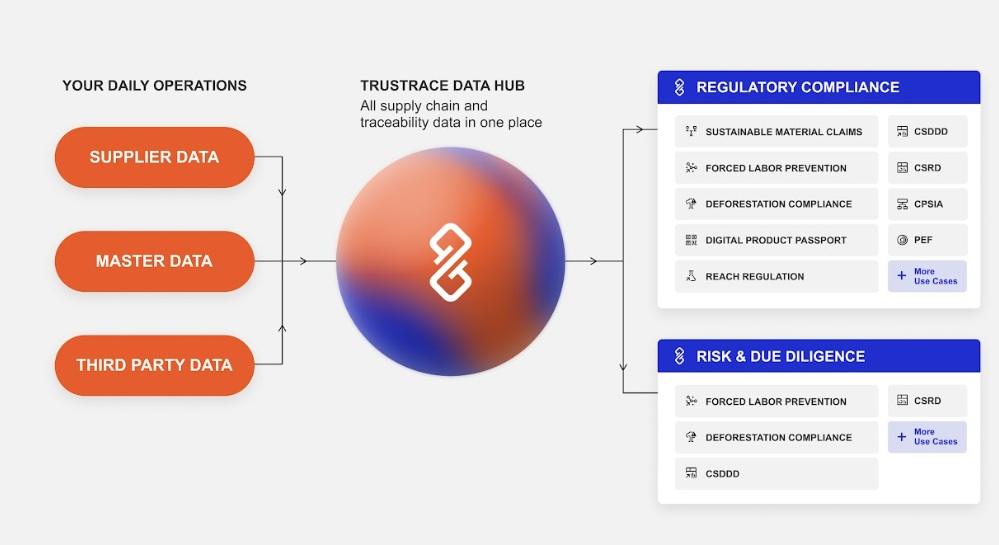
TrusTrace has unveiled a powerful enhancement to its core platform, integrating advanced AI data capabilities designed to empower companies with unprecedented visibility into their complex supply networks. This development marks a crucial step forward for any industry grappling with vast, global logistics, but its implications for the capital-intensive and often opaque oil and gas sector are particularly profound. The platform now enables enterprises to efficiently collect, centralize, and meticulously analyze a wealth of supply chain and traceability data, transforming what was once a fragmented challenge into a strategic advantage for sustainability and compliance.
Unlocking Value Through AI-Driven Supply Chain Intelligence
The oil and gas supply chain is arguably one of the most intricate on the planet, spanning continents and involving countless suppliers for everything from specialized drilling equipment and pipeline components to sophisticated refinery catalysts and advanced chemicals. Furthermore, the industry faces immense pressure to demonstrate responsible sourcing, minimize environmental footprints, and ensure ethical labor practices across its expansive network. Traditional methods of data collection and verification often fall short, leaving companies vulnerable to reputational damage, regulatory fines, and a significant discount in their ESG valuations.
TrusTrace’s upgraded platform directly addresses these pain points by leveraging AI technology to unify disparate data streams. It can seamlessly integrate information from a multitude of sources—suppliers, contractors, third-party auditors, and internal systems—to create a single, reliable source of truth. This capability is paramount for oil and gas firms looking to validate the origin of materials used in critical infrastructure, track the carbon intensity of transportation logistics, or verify the adherence to environmental standards by their extended network of partners. By enhancing data reliability and the quality of insights, the platform moves companies beyond basic compliance into genuine strategic oversight.
Key Features Tailored for Oil & Gas Investment Performance
For investors focused on the long-term viability and ethical performance of oil and gas assets, the specific features of TrusTrace’s enhanced platform offer tangible benefits. The core functionalities are designed to provide a comprehensive framework for managing supply chain integrity:
- Advanced Data Collection and Integration: This includes sophisticated supply chain mapping, allowing O&G companies to visualize their entire network from upstream exploration and production through midstream transportation to downstream refining and petrochemicals. It aggregates certifications for materials (e.g., low-carbon steel, certified sustainable wood for infrastructure), captures detailed chain of custody records for crucial components and feedstocks, and centralizes all relevant regulatory compliance documents. This means clearer insights into the provenance of every bolt, barrel, and chemical, directly impacting Scope 3 emissions reporting and ESG disclosure quality.
- Proactive Supply Chain Risk Detection: The AI-powered analysis can identify potential vulnerabilities and risks within the supply chain before they escalate. For the oil and gas sector, this could mean flagging suppliers in regions with high geopolitical instability, detecting potential for forced labor in mining operations for critical minerals used in energy transition technologies, or identifying non-compliant practices that could lead to environmental incidents or methane leaks. Early detection translates directly to reduced operational disruption and financial exposure.
- Robust Compliance Management: Navigating the labyrinth of international and domestic regulations, particularly those related to environmental protection, human rights, and anti-corruption, is a monumental task for O&G companies. The platform streamlines the management of these complex requirements, ensuring that every link in the supply chain adheres to the necessary standards, from carbon intensity reporting mandates to local content requirements in emerging markets. This proactive compliance minimizes legal and financial penalties, safeguarding shareholder value.
From Reactive to Proactive: A Paradigm Shift for the Energy Sector
Shameek Ghosh, CEO of TrusTrace, eloquently articulated the transformative potential of this upgrade, stating, “We’ve built a powerful, AI-assisted supply chain data hub that allows companies to quickly and easily collect and analyze data at any scale, empowering them to move from reactive crisis management to proactive impact-driven strategies. This is the future of responsible, resilient business.” His words resonate deeply within the oil and gas context.
Historically, the industry has often been characterized by its reactive approach to supply chain issues, responding to crises as they emerge. However, the modern investment landscape demands foresight and preventative action. A proactive stance, enabled by platforms like TrusTrace’s, allows oil and gas companies to not only mitigate risks but also to actively pursue opportunities for decarbonization, ethical sourcing, and operational efficiency. This shift directly impacts their ability to attract capital from ESG-conscious funds, secure project financing, and maintain their social license to operate in an increasingly watchful world.
Investment Implications and the Future of Energy Supply Chains
For investors, the adoption of advanced supply chain traceability platforms represents a critical indicator of a company’s commitment to long-term sustainability and operational excellence. Companies that embrace such technologies are better positioned to:
- Enhance ESG Performance: Demonstrable transparency across the supply chain improves ESG scores, which are increasingly tied to access to capital and valuation multiples.
- Mitigate Financial Risk: Reduced exposure to regulatory fines, legal challenges, and reputational damage translates to more stable earnings and predictable cash flows.
- Improve Operational Efficiency: Better data leads to optimized logistics, reduced waste, and more efficient resource allocation, impacting the bottom line.
- Secure Competitive Advantage: Differentiated products (e.g., certified low-carbon oil or gas) become possible, commanding premium prices and attracting discerning customers.
As the energy transition accelerates, the demand for verifiable, sustainable supply chains will only intensify. Whether it’s tracking the origin of materials for offshore wind farms, ensuring ethical sourcing for critical minerals in EV batteries, or validating the carbon footprint of liquefied natural gas (LNG) exports, the principles of traceability and transparency will be paramount. TrusTrace’s AI-powered platform offers a compelling blueprint for how the oil and gas industry can navigate these complexities, build resilience, and unlock new avenues for sustainable value creation, making it a technology keenly watched by those assessing the future leaders of the energy sector.


