AI Coding Tools Supercharge O&G Engineering Profits
The global oil and gas industry stands on the precipice of a significant technological shift, with artificial intelligence (AI) coding tools emerging as a potent catalyst for enhanced profitability and operational efficiency. As energy firms navigate complex market dynamics and demand for sustainable operations, the adoption of advanced software development tools is no longer a luxury but a strategic imperative for maintaining a competitive edge and delivering robust investor returns.
Recent industry insights reveal a dramatic surge in the utilization of AI within engineering workflows, signaling a profound transformation in how software is developed and maintained across all sectors, including the capital-intensive energy landscape. A comprehensive survey of 645 full-time professionals, spanning various engineering capacities from individual contributors to executives in companies ranging from lean startups to expansive enterprises with over 500 engineers, sheds crucial light on this evolving trend.
The AI Adoption Tsunami: A New Era for O&G Software Development
The findings underscore an undeniable acceleration in AI integration. A striking 90% of engineering teams now leverage AI in their daily operations, a substantial leap from just 61% reported a mere twelve months prior. This meteoric rise reflects a growing recognition of AI’s capacity to streamline complex coding tasks, accelerate development cycles, and improve code quality – all critical factors for oil and gas companies managing vast and intricate digital infrastructure.
For investors, this trend signifies a clear path to improved bottom lines. Nearly one-third of these engineering teams have formally endorsed and widely adopted AI tools within their organizational structures, indicating a mature and committed approach to leveraging these technologies. Furthermore, an additional 39% are actively experimenting with AI solutions, demonstrating a proactive stance towards innovation. Tellingly, only a meager 3% of respondents reported no current AI usage and no future plans for implementation, highlighting how pervasive and essential these tools have become across the engineering spectrum. O&G firms that lag in this adoption risk falling behind competitors who are already reaping the benefits of enhanced productivity and reduced operational costs.
Strategic Diversification: A Multi-Tool Approach to Efficiency
A key takeaway for strategic planners and investors alike is the diversified approach engineering teams are taking. The survey revealed that 48% of respondents are actively utilizing two or more distinct AI coding tools. This indicates a deliberate strategy of exploration and evaluation, rather than a hasty standardization on a single platform. In the oil and gas sector, where specialized software underpins everything from reservoir modeling and drilling automation to pipeline integrity management and refining optimization, this multi-faceted approach is particularly pertinent.
For O&G companies, experimenting with multiple AI coding solutions allows them to identify the best-fit tools for specific, often highly specialized, engineering challenges. Whether it’s optimizing code for high-performance computing in seismic data processing or developing more robust algorithms for predictive maintenance on remote assets, a diversified toolkit ensures maximum flexibility and effectiveness. This strategic exploration minimizes reliance on a single vendor and allows for a more tailored, robust digital transformation strategy, ultimately enhancing operational resilience and driving shareholder value.
The Frontrunners: Enterprise-Grade AI for Complex Energy Challenges
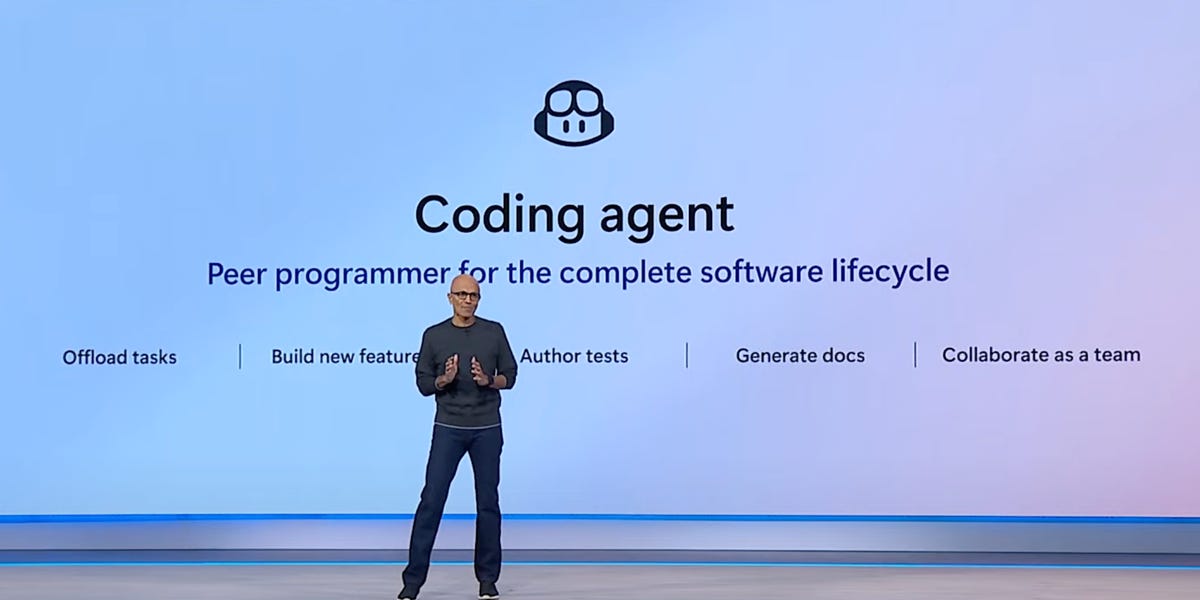
The competitive landscape of AI coding tools is coalescing around a few dominant players, all of which are well-established technology giants with significant footprints in the enterprise sector, including oil and gas. Microsoft’s GitHub Copilot emerged as the undisputed leader, with 42% of surveyed engineers identifying it as their preferred tool. Given Microsoft’s pervasive enterprise software and cloud services integration within the energy sector, Copilot’s strong showing suggests a natural extension of existing relationships and trust.
Following closely, Google’s Gemini Code Assist secured the second position. Google Cloud has been aggressively expanding its presence in the oil and gas domain, offering advanced data analytics and machine learning capabilities. The strength of Gemini Code Assist indicates that Google is a formidable contender in providing developer tools that resonate with complex industrial applications.
Rounding out the top tier, Amazon Q (formerly known as CodeWhisperer) and Cursor were tied for third place. Amazon Web Services (AWS) is a foundational cloud infrastructure provider for countless O&G operations globally, making Amazon Q a logical choice for companies already deeply integrated into the AWS ecosystem. The strong performance of these platforms underscores their maturity and suitability for the rigorous demands of large-scale, mission-critical software development prevalent in the energy industry.
Specialized AI: Beyond General-Purpose Generative Tools
Crucially, this analysis specifically excluded general-purpose generative AI tools like ChatGPT, focusing instead on products meticulously engineered for software development. This distinction is vital for understanding the value proposition for oil and gas investors. While general AI offers broad utility, specialized AI coding tools are designed to address the unique complexities and stringent requirements of enterprise-level software engineering.
In the O&G sector, where precision, reliability, and domain-specific knowledge are paramount, specialized AI assistants can significantly enhance the development of sophisticated applications for subsurface imaging, drilling automation, refinery process control, and environmental monitoring. These tools can interpret highly technical coding languages, suggest context-aware improvements, and even generate code snippets that adhere to industry-specific standards and safety protocols. This specialization translates directly into higher quality software, fewer defects, and ultimately, safer and more efficient energy operations.
Investment Implications: Fueling Future O&G Profitability
For investors eyeing the oil and gas sector, the widespread adoption of AI coding tools represents a powerful lever for future profitability and competitive advantage. Companies that strategically embrace these technologies are poised to realize substantial benefits:
- Reduced Development Costs: AI tools automate repetitive coding tasks, leading to fewer man-hours required for software development and maintenance, directly impacting operational expenditures.
- Accelerated Innovation: Faster coding cycles mean new digital solutions—from advanced analytics platforms to IoT applications for field operations—can be deployed more rapidly, enabling quicker responses to market changes and operational challenges.
- Enhanced Software Quality and Reliability: AI can identify potential bugs and vulnerabilities early in the development process, leading to more robust and secure systems, crucial for critical infrastructure in the energy sector.
- Improved Operational Efficiency: Better software drives better operational outcomes, from optimized production schedules and reduced downtime to more effective resource allocation across upstream, midstream, and downstream segments.
- Competitive Differentiation: Early adopters gain a significant edge, attracting top engineering talent and deploying superior digital capabilities that translate into higher margins and stronger market positions.
The integration of AI coding tools into oil and gas engineering workflows is not merely a technological upgrade; it is a fundamental shift in how the industry will operate, innovate, and generate value. Investors should closely monitor the commitment of O&G companies to these transformative technologies, as they are increasingly becoming a non-negotiable component of a financially healthy and forward-looking energy enterprise.


