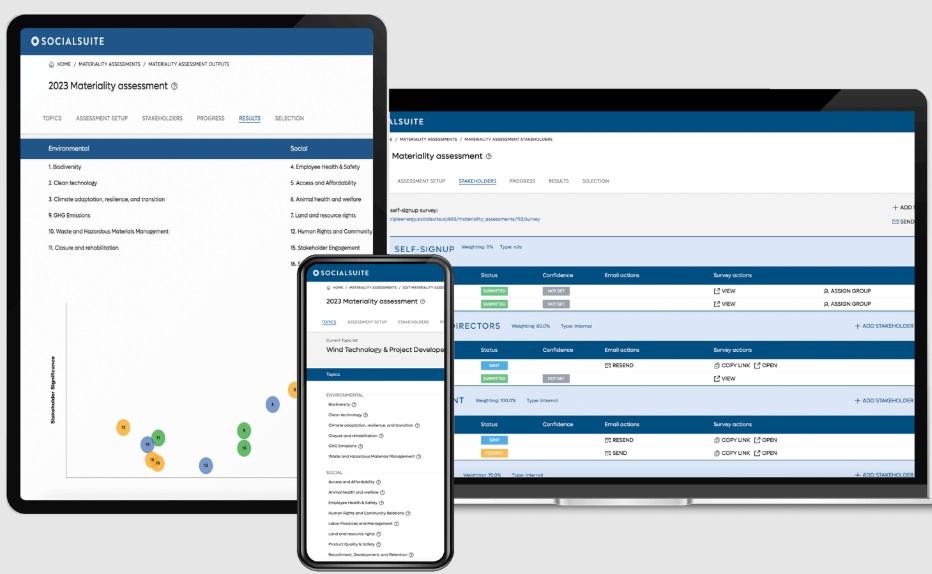
The global energy sector, particularly oil and gas, stands at a pivotal juncture as evolving sustainability mandates reshape corporate responsibilities and investor expectations. Amidst a wave of stringent new reporting directives, a technology firm specializing in sustainability risk management has unveiled a sophisticated software solution designed to streamline “double materiality” assessments, a critical component of modern ESG compliance. This development signals a significant leap forward in how energy companies can navigate complex regulatory landscapes, offering a much-needed AI-powered toolkit to manage environmental, social, and governance disclosures efficiently and effectively.
For investors keenly observing the oil and gas market, understanding a company’s capacity to meet these new compliance benchmarks is paramount. Regulatory bodies, especially in the European Union, are pushing for greater transparency through initiatives like the Corporate Sustainability Reporting Directive (CSRD). This directive introduces the concept of “double materiality,” a framework that demands enterprises assess sustainability issues from two angles: first, the financial risks and impacts these issues pose to the company itself, and second, the company’s own influence and impact on the environment and society. Furthermore, it requires detailed disclosure on how these material impacts, risks, and opportunities (IROs) evolve over time.
The newly launched platform by the technology provider, established in 2015 with a focus on social impact and ESG reporting, directly addresses these multifaceted requirements. By integrating advanced artificial intelligence with robust stakeholder engagement capabilities, the solution aims to bring clarity and precision to what has historically been a challenging and resource-intensive process. Its core functionality aligns with key global standards, including the CSRD’s European Sustainability Reporting Standards (ESRS) and the International Sustainability Standards Board (ISSB) frameworks, providing a unified approach to diverse reporting obligations.
Navigating the Evolving Regulatory Landscape for Energy Investors
The imperative for sophisticated sustainability reporting has never been greater, particularly for the oil and gas industry. Investors are increasingly scrutinizing ESG performance as a key indicator of long-term value and operational resilience. The CSRD, in particular, represents a paradigm shift, broadening the scope of companies subject to detailed sustainability disclosures and demanding a more comprehensive understanding of their environmental and social footprint. For oil and gas firms, this translates into a need to meticulously track and report on everything from greenhouse gas emissions and water usage to community relations and supply chain ethics.
Double materiality, at its heart, forces companies to look inward at how climate change, resource scarcity, and social inequality might impact their financial health and operational continuity. Simultaneously, it compels them to look outward, assessing their contribution to these global challenges. This dual perspective is especially critical for energy majors, whose operations inherently carry significant environmental and social considerations. Compliance with these frameworks is no longer merely a tick-box exercise; it’s a strategic imperative that directly influences access to capital, investor confidence, and ultimately, market valuation. The integration of IFRS standards further underscores the financial materiality of these sustainability disclosures, linking them directly to financial reporting.
AI: A Strategic Enabler for O&G Sustainability Reporting
The sheer volume and complexity of data required for double materiality assessments can be overwhelming for large, globally operating oil and gas companies. This is where AI-powered solutions offer a transformative advantage. The new platform leverages artificial intelligence to benchmark company performance against industry trends, enabling energy firms to identify critical impacts, risks, and opportunities with unprecedented accuracy. For an oil and gas firm, this could mean everything from pinpointing specific operational sites with high emissions risks to identifying social impacts on local communities near extraction projects, or even assessing climate transition risks across their asset portfolio.
The solution’s features are tailored to streamline what would otherwise be a manual, time-consuming, and error-prone process. Key functionalities include centralized management of stakeholder engagement data, materiality assessments, and all associated documentation. This centralization ensures data consistency and accessibility, which is crucial for audit trails and ongoing reporting. Furthermore, the intelligent benchmarking capabilities empower strategic decision-making by providing actionable insights into industry best practices and areas requiring improvement. By automating data aggregation and analysis, AI significantly reduces the human effort involved, allowing sustainability teams to focus on strategic interpretation rather than data compilation.
Operational Efficiencies and Investor Confidence
The operational benefits for oil and gas companies adopting such advanced technology are substantial. Seth Forman, CEO of the developing company, highlighted the dual advantage of ensuring compliance while simultaneously enhancing the efficiency of materiality risk assessments. He noted that the platform’s combination of cutting-edge AI with collaborative project management tools can reduce the time and cost associated with conducting a double materiality assessment by up to 80%. This figure represents a compelling value proposition for an industry grappling with increasing operational costs and the need for greater financial discipline.
For investors, this reduction in compliance costs and enhancement in reporting accuracy translates directly into improved transparency and reduced risk. Companies that can efficiently and effectively demonstrate their adherence to global sustainability standards are more likely to attract capital, command higher valuations, and maintain their social license to operate. The ability to articulate how material impacts, risks, and opportunities are changing over time provides investors with a dynamic view of a company’s sustainability performance, allowing for more informed investment decisions. In a landscape where ESG factors are increasingly integrated into financial analysis, technologies that facilitate robust and cost-effective reporting become a competitive differentiator for energy sector players.
The Path Forward: Investing in Sustainable O&G Futures
The introduction of this AI-driven platform marks a significant step towards demystifying and democratizing advanced sustainability reporting for the oil and gas sector. As regulatory pressures intensify and investor demands for ESG transparency grow, the adoption of intelligent solutions like this becomes less of an option and more of a necessity. For investors eyeing the oil and gas market, companies that proactively embrace such technologies will likely be better positioned for long-term success, demonstrating not only a commitment to compliance but also an intelligent approach to managing their environmental and social footprint. This strategic investment in reporting infrastructure signals a forward-thinking management team, capable of navigating the complexities of the energy transition while delivering sustainable value to shareholders.


