Agri-Carbon Credits: A New Frontier for Energy Investors
As the global energy landscape undergoes a profound transformation, investors are increasingly scrutinizing novel avenues for sustainable growth and carbon mitigation. While traditional focus remains on renewables and industrial decarbonization, a burgeoning opportunity is emerging from an unexpected quarter: the agricultural sector. Specifically, the financialization of soil carbon sequestration through innovative credit markets is presenting a compelling new asset class, ripe for consideration by forward-thinking capital. For oil and gas companies navigating stringent ESG mandates and seeking diversified climate solutions, this natural capital investment holds significant strategic promise.
The Groundwork for a New Economy: Regenerative Agriculture in Action
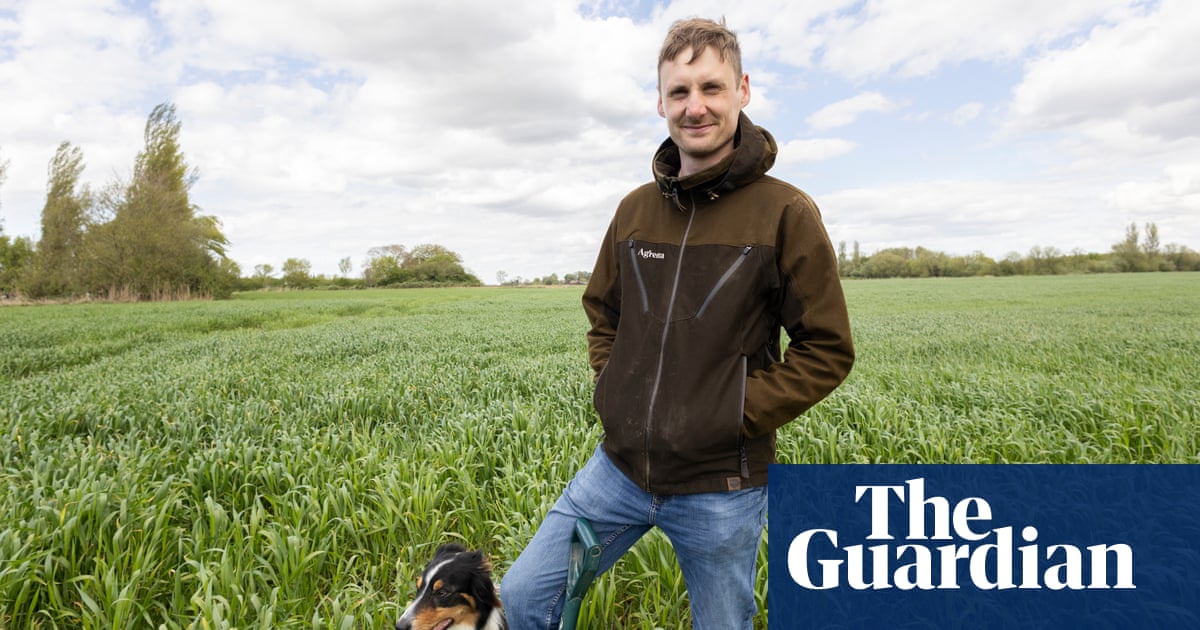
Imagine a blustery spring morning, not in a bustling financial district, but on an 800-hectare farm spanning the Cambridgeshire and Lincolnshire border. Here, Thomas Gent, part of a family lineage deeply rooted in the land, is demonstrating a paradigm shift. Walking through a field of winter wheat, where green shoots reach his knees and clover blankets the ground, Gent reveals the tangible results of a seventeen-year commitment to regenerative agriculture. With a spade, he unearths a clod of earth, proudly showcasing its intricate root structure. “Look at the root structure,” he points out, emphasizing how a recent 20mm rainfall has perfectly drained, a testament to superior soil health and resilience.
This agricultural revolution, spearheaded by pioneers like the Gent family, departs radically from conventional farming. Since 2008, when Thomas was a boy, their decision to forgo plowing and embrace regenerative practices was considered avant-garde. The core tenets involve minimal or no-till farming, the strategic planting of cover crops such as clover, a significant reduction in ammonia-based fertilizers, and the continuous retention of organic matter within the soil. These methods are not merely about environmental stewardship; they are a sophisticated approach to enhancing soil fertility, increasing crop resilience, and, critically, sequestering atmospheric carbon.
Monetizing Sustainability: The Carbon Credit Catalyst
The impact of these practices extends far beyond the farm gate. Modern agriculture, tragically, contributes approximately one-third of all human-caused global greenhouse gas (GHG) emissions. Consequently, regenerative agriculture is emerging as a potent weapon in the climate crisis, offering a tangible pathway to emissions reduction. More importantly for investors, these ecological benefits are now being financially quantified. A new ecosystem of companies is rapidly developing, specializing in the evaluation of existing soil carbon stocks and the meticulous tracking of their improvement. This allows farmers to generate and sell carbon credits, creating an entirely new and vital income stream that diversifies their revenue base and incentivizes sustainable land management.
The Players and the Market Landscape
The voluntary carbon offsets market is witnessing an explosive growth phase, with soil carbon trading carving out a significant niche. Key innovators are actively vying for market share in this burgeoning sector. Agreena, a Danish startup where Thomas Gent also contributes, aims to cultivate this regenerative movement by building what it describes as the ‘largest soil carbon programme in Europe.’ This initiative is designed to generate verifiable credits, offering corporations a direct mechanism to meet their climate change objectives. Other prominent players in this evolving space include Soil Capital, Trinity Natural Capital Group, and the US-based Indigo, widely recognized as the largest global participant in this burgeoning sector.
Investment Thesis: Scale and Impact
The investment opportunity here is substantial. Research from the Organisation for Economic Co-operation and Development (OECD) estimates that net soil carbon sequestration on agricultural land could potentially offset 4% of annual global human-induced GHG emissions over the remainder of the century. This figure underscores the immense scaling potential of agricultural carbon credits as a critical component of global decarbonization strategies. For energy investors, particularly those navigating stringent ESG mandates and seeking diversified portfolios, these credits represent a compelling nature-based solution. They offer a tangible, verifiable way to support decarbonization efforts, complementing investments in renewable energy and industrial carbon capture technologies.
Navigating a Nascent Market
While the market for agri-carbon credits is expanding at an impressive pace, it is also accompanied by a healthy degree of market scrutiny and evolving standards. As with any nascent financial instrument, ensuring the integrity, verifiability, and permanence of these credits is paramount. Investors must conduct thorough due diligence on the methodologies employed by credit providers, the long-term commitment of farmers, and the robustness of monitoring, reporting, and verification (MRV) systems. This includes understanding the nuances of how soil carbon is measured, how baselines are established, and how permanence is guaranteed over decades. The market is actively maturing, with stakeholders working to establish robust frameworks that will enhance transparency and build investor confidence, ensuring these credits deliver genuine climate impact.
The Path Forward for Energy Capital
For the oil and gas sector, which faces unique pressures to decarbonize and transition, investments in agri-carbon solutions offer a strategic pathway. Beyond direct purchasing of credits for offsets, there’s potential for strategic equity investments in the technology providers and platforms facilitating this market. Furthermore, integrating regenerative agriculture into broader energy transition strategies can foster community engagement and contribute to a diversified portfolio of climate solutions, aligning economic objectives with environmental stewardship. The story of Thomas Gent’s farm is more than an agricultural success; it’s a blueprint for a financially viable, environmentally positive future, signaling a new frontier for capital deployment in the global carbon economy. As the world seeks comprehensive climate solutions, the ground beneath our feet is proving to be an increasingly fertile investment landscape.