The African-Venezuelan Energy Alliance: A Strategic Play in a Volatile Market
The African Energy Chamber’s (AEC) recent delegation to Venezuela, spanning February 22-26, marks a pivotal moment for both continents, signaling a determined push for upstream oil and gas investment and enhanced bilateral cooperation. This initiative extends beyond mere diplomatic overtures; it represents a calculated move to unlock significant commercial opportunities, strengthen global energy supply chains, and diversify investment portfolios in a dynamic market. For investors tracking global energy shifts, this partnership between African stakeholders and Venezuelan operators warrants close attention, potentially reshaping production landscapes and offering new avenues for capital deployment in a sector hungry for growth and stability.
Unpacking the Strategic Rationale for Cross-Continental Collaboration
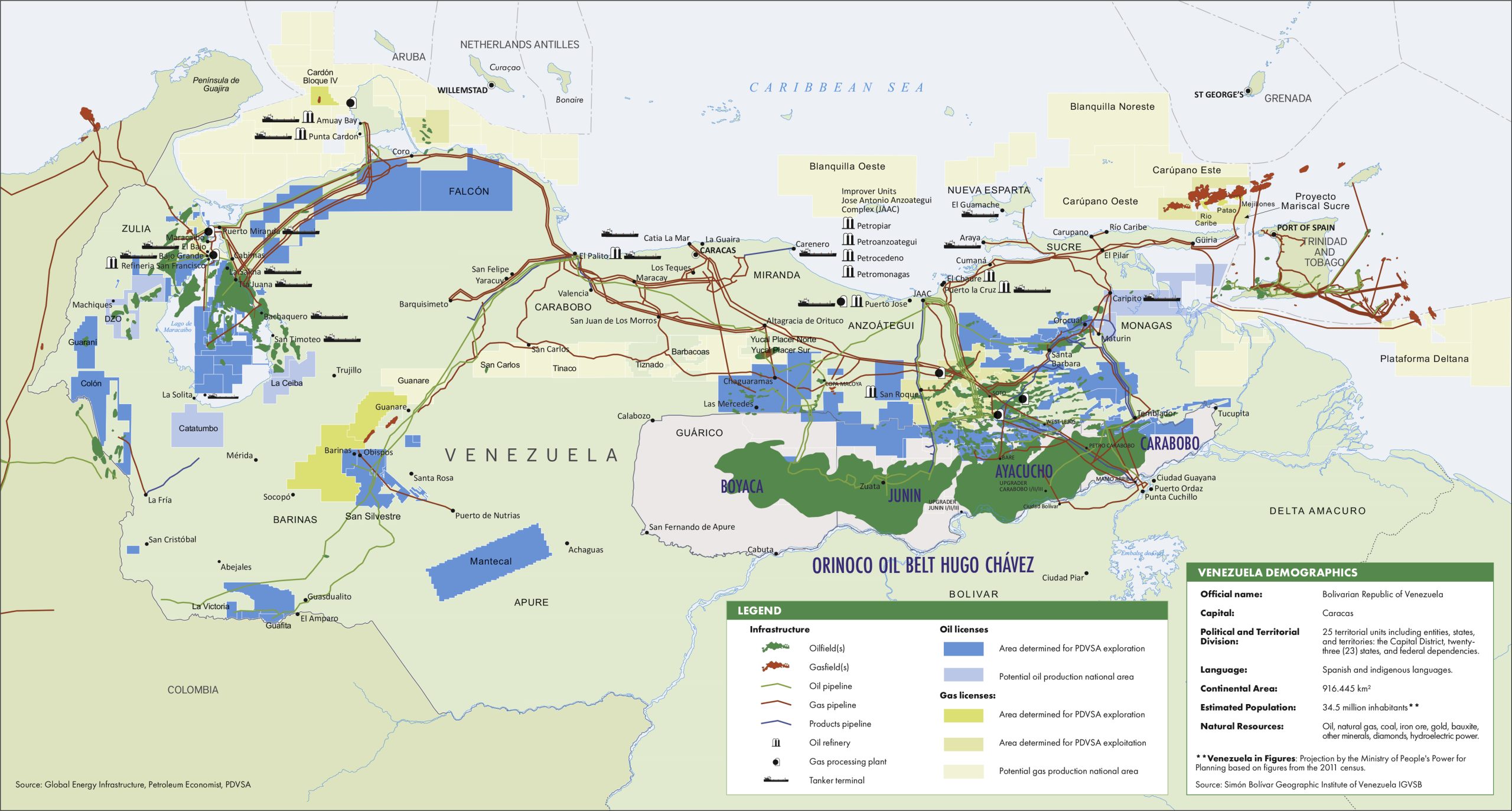
At its core, the AEC-led visit to Venezuela is about identifying and capitalizing on mutual strengths and needs. Venezuela, an honorary member of the African Petroleum Producers Organization (APPO), possesses some of the world’s largest proven oil reserves, yet its upstream sector has faced significant underinvestment and operational challenges. African energy companies, often backed by national governments and with growing technical expertise, are increasingly looking beyond their borders for expansion. The discussions held with Venezuelan government officials, national oil company representatives, and private sector leaders focused explicitly on joint ventures, financing opportunities, and critical knowledge sharing across exploration and production. This isn’t charity; it’s a pragmatic search for long-term commercial opportunities where African capital and operational know-how can help revitalize Venezuela’s output, simultaneously securing access to vast resources for African entities and contributing to global energy supply in an era of tightening markets. The strategic intent is clear: to foster a robust, mutually beneficial energy partnership.
Navigating Investment in a Fluctuating Crude Market
Understanding the context of this cross-continental investment drive requires a clear look at the current market dynamics. As of today, Brent crude trades at $93.5 per barrel, marking a 3.39% increase for the day, while WTI crude sits at $89.86, having gained 2.79%. These daily upticks might suggest a strengthening market, but a deeper dive into our proprietary 14-day Brent trend data reveals a more complex picture. Brent has experienced a notable retraction, shedding nearly 20% from a high of $118.35 on March 31st to $94.86 just yesterday. This significant swing underscores the inherent volatility in the global oil market, influenced by geopolitical tensions, shifting demand forecasts, and OPEC+ production policies. For African companies considering multi-year upstream commitments in Venezuela, this price environment presents both challenges and opportunities. Higher prices generally make new projects more attractive, improving internal rates of return and accelerating payback periods. However, the recent price dip highlights the need for robust project economics that can withstand potential future downturns, emphasizing the importance of low lifting costs and efficient operational models – precisely what Venezuela aims to achieve through revitalized investment and technical cooperation.
Investor Sentiment: Addressing the Quest for Clarity Amid Uncertainty
Our proprietary reader intent data from OilMarketCap.com provides invaluable insight into what investors are currently asking, revealing a clear focus on future price trajectories and long-term asset performance. Queries such as “Is WTI going up or down?” and “What do you predict the price of oil per barrel will be by end of 2026?” consistently rank among the most frequent questions. This reflects a broad investor community grappling with market uncertainty but simultaneously seeking clarity on where to deploy capital for future growth. The African-Venezuelan initiative directly taps into this sentiment. Venezuela, with its vast, underexploited reserves, represents a frontier market with significant upside potential for patient, strategically-minded investors. While political risks and operational challenges have historically deterred some, the prospect of African capital and technical expertise could de-risk these opportunities, making them more palatable. Investors are looking for assets that offer compelling returns even in a volatile price environment, and a successful revitalization of Venezuela’s upstream sector through these partnerships could provide just that – a long-term value play with substantial production growth potential.
Forward Outlook: Upcoming Events and Venezuela’s Production Revival
The AEC’s Venezuelan delegation concluded in late February, but the ripple effects are likely to be felt throughout the year, especially as the global energy calendar unfolds. Investors should closely monitor several key upcoming events that will directly influence the viability and attractiveness of any agreements forged. The OPEC+ Joint Ministerial Monitoring Committee (JMMC) Meeting on April 21st is particularly critical. Any adjustments to production quotas could significantly impact global supply balances and, consequently, crude prices, directly affecting the economics of new Venezuelan projects. Furthermore, the EIA Weekly Petroleum Status Reports (April 22nd, April 29th) and API Weekly Crude Inventory data (April 28th, May 5th) will offer crucial insights into current demand trends and inventory levels in the world’s largest consumer market. These data points, alongside the Baker Hughes Rig Count (April 24th, May 1st), which indicates North American supply responses, will paint a clearer picture of the immediate supply-demand landscape. Perhaps most impactful for long-term outlooks will be the EIA Short-Term Energy Outlook on May 2nd, providing revised forecasts for prices and supply. As Venezuela seeks to expand its oil output, any production increases facilitated by African investment will eventually need to find a place in this global supply matrix, potentially influencing OPEC+ decisions and broader market sentiment. The success of this cross-continental partnership will hinge not only on the initial agreements but also on its ability to navigate these evolving market fundamentals and deliver sustained, cost-effective production in the years to come.