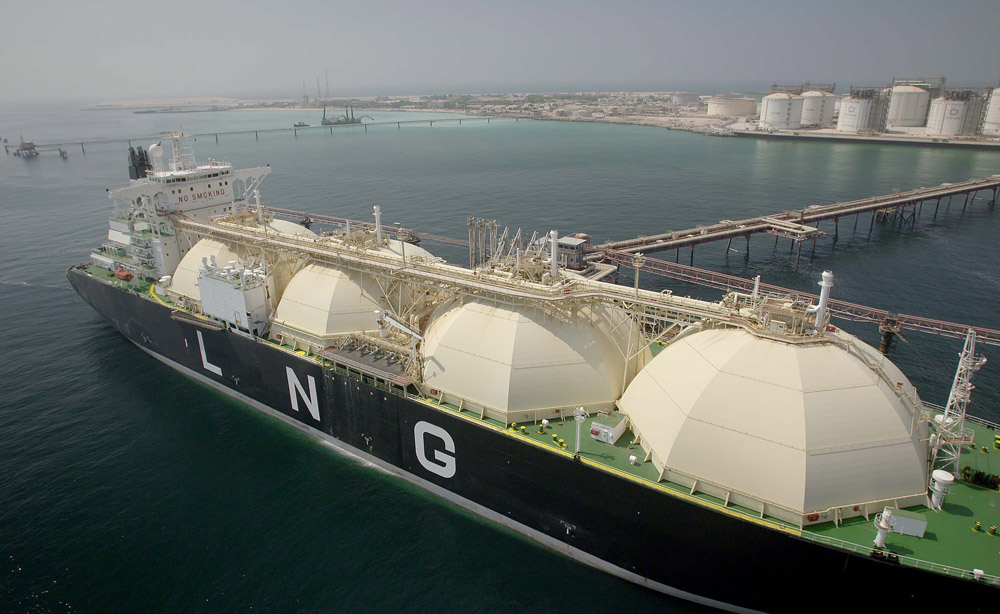
Abu Dhabi National Oil Co. (ADNOC) is making a decisive move to significantly expand its global LNG footprint, signaling a high-stakes play in the rapidly evolving energy landscape. The company is reportedly seeking to secure over $10 billion in debt financing from a consortium of local and international banks to back its estimated $19 billion bid for Australia’s Santos Ltd. This ambitious pursuit, led by ADNOC’s investment arm XRG PJSC alongside Abu Dhabi Development Holding Co. and Carlyle Group Inc., underscores a strategic pivot towards liquefied natural gas (LNG), a sector increasingly viewed as critical for future energy security and growth. For investors, this mega-deal presents a fascinating case study in strategic M&A within a volatile commodity market, demanding close attention to both deal-specific progress and broader macro trends.
The Debt Financing Challenge and LNG’s Strategic Imperative
The reported $10 billion-plus debt package, spearheaded by JPMorgan Chase & Co., represents a substantial financial undertaking. While the specific terms and final size of the financing remain subject to change, securing such a large credit line speaks volumes about the consortium’s conviction in the strategic value of Santos. This move mirrors a broader trend among national oil companies, including Saudi Aramco, to diversify their portfolios and capture a larger share of the fast-growing LNG market. For ADNOC, a successful acquisition of Santos would unlock access to a diverse portfolio of gas assets, including significant LNG operations in Australia, positioning it as a major player in a market projected for robust demand growth, especially in Asia. Investors should consider the potential impact of such a substantial debt load on ADNOC’s financial leverage and future investment capacity, even as it aligns with a long-term strategic objective to de-risk its revenue streams beyond crude oil.
Santos Valuation and Investor Reactions
The proposed $18.7 billion takeover implies a cash offer of $5.76 per share for Santos, a valuation that the Australian producer’s board has recommended to shareholders. This offer follows a period where Santos Chief Executive Officer Kevin Gallagher had reportedly rebuffed several prior approaches, leading to frustration among some investors eager for a strategic exit or value realization. The current market capitalization of Santos stands at A$25.3 billion (approximately $16.6 billion), reflecting a robust 17% appreciation in its shares this year, despite a minor slip of 0.6% to A$7.80 recently. This positive year-to-date performance suggests that the market views the ADNOC-led consortium’s offer favorably, signaling a significant premium and a potential resolution to long-standing investor impatience. The ongoing due diligence and regulatory engagement are crucial hurdles that need to be cleared before a binding agreement can be finalized, but the board’s recommendation offers a strong signal of confidence to the market.
Navigating Macro Headwinds and Investor Sentiment
This major M&A initiative is unfolding against a backdrop of dynamic and sometimes challenging global energy markets. As of today, Brent crude trades at $98, reflecting a 1.4% decline from its daily range of $97.92-$98.58. This recent dip follows a more significant correction over the past two weeks, with Brent having dropped from $112.57 on March 27 to $98.57 just yesterday – a notable 12.4% decrease. Similarly, WTI crude stands at $89.74, down 1.57% today, indicating a broader softening in oil prices. Our proprietary reader intent data reveals that investors are keenly focused on understanding these market movements, with frequent inquiries about “OPEC+ current production quotas” and the “current Brent crude price” among the top questions this week. This preoccupation highlights a pervasive investor concern about market stability and supply-side dynamics. While ADNOC’s strategic focus is on LNG, the overall health and sentiment of the broader oil and gas market can influence financing costs, regulatory scrutiny, and overall investor appetite for large-scale energy investments. The current downward pressure on crude prices adds a layer of complexity to negotiating and finalizing such a substantial deal, even as the long-term outlook for gas remains strong.
Upcoming Catalysts and the Deal Timeline
The clock is ticking for the ADNOC-led consortium and Santos, with the exclusivity period set to expire on September 19. This date represents a critical near-term catalyst for investors monitoring the deal’s progress. Both parties are actively engaged in concluding due diligence, securing internal approvals, and navigating the necessary regulatory clearances. The successful extension of the exclusivity period twice already indicates the complexity and scale of the transaction, but also a mutual commitment to reaching a binding agreement. Beyond this immediate deadline, the broader energy calendar presents several potential market catalysts that could influence investor confidence and project valuations. The upcoming OPEC+ Joint Ministerial Monitoring Committee (JMMC) meeting on April 18, followed by the Full Ministerial meeting on April 20, will be closely watched for any shifts in production policy that could impact crude prices and overall market sentiment. Additionally, the weekly API and EIA crude inventory reports, scheduled for April 21/22 and April 28/29 respectively, will offer critical insights into demand-supply balances. These events, combined with the regular Baker Hughes Rig Count reports on April 17 and April 24, provide a dynamic backdrop against which ADNOC’s financing efforts and the finalization of the Santos deal will play out, making the next few weeks particularly eventful for energy investors.
Investment Implications and Forward Outlook
The ADNOC-Santos deal, if finalized, will be a landmark transaction, reshaping the global LNG competitive landscape and solidifying ADNOC’s position as a diversified energy major. For investors, the implications extend beyond the immediate financial performance of Santos. It signals a growing confidence in the long-term demand for natural gas, particularly LNG, as a transition fuel and a critical component of global energy security. The willingness to commit over $10 billion in debt financing during a period of crude price volatility demonstrates a robust, long-term strategic vision. Investors should continue to monitor the progress towards a binding agreement by the September 19 deadline, paying close attention to regulatory approvals and any changes in the financing structure. Furthermore, keeping an eye on the broader market through upcoming OPEC+ decisions and inventory data will provide crucial context for the overall health of the energy sector. The successful execution of this complex deal will not only define ADNOC’s future trajectory but also serve as an important bellwether for the future of large-scale M&A in the oil and gas sector.


