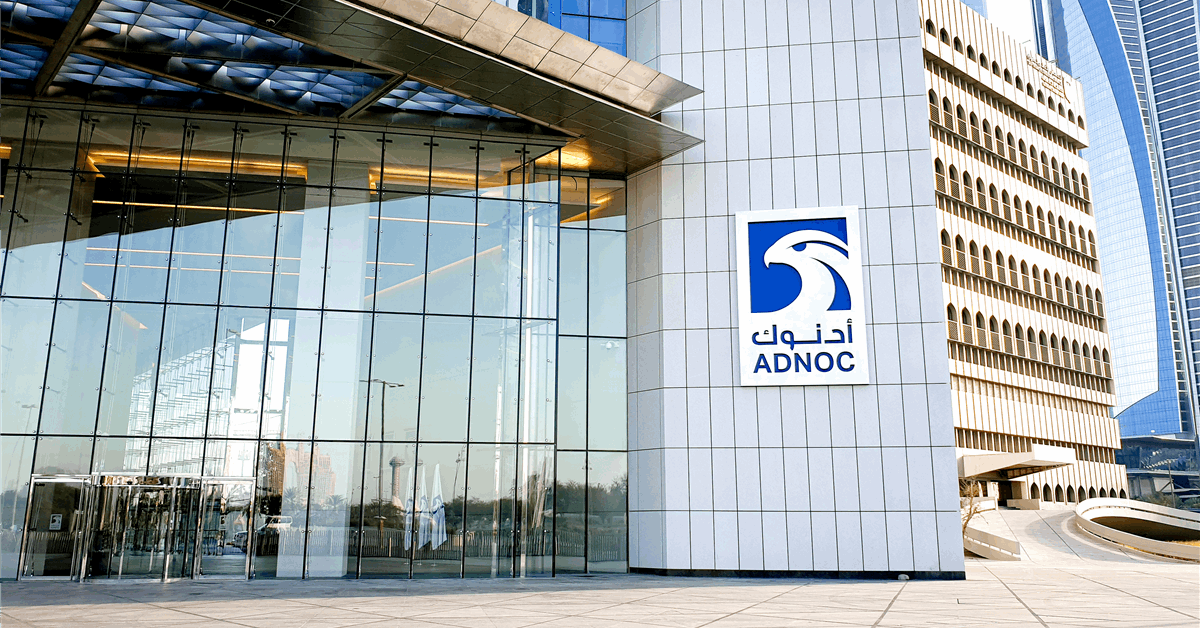
The global energy landscape is buzzing with speculation as Abu Dhabi National Oil Co. (ADNOC), a powerhouse in the Middle Eastern energy sector, actively evaluates a potential strategic play for key assets belonging to British oil major BP Plc. Sources familiar with the confidential discussions indicate that ADNOC is intensely scrutinizing opportunities to acquire specific BP divisions, particularly if the embattled British firm proceeds with a breakup or faces heightened pressure to divest additional units.
For investors tracking the intricate dance of oil and gas mergers and acquisitions, this development signals a significant potential realignment. ADNOC has reportedly engaged in internal assessments regarding BP’s asset portfolio and has initiated preliminary discussions with financial advisors. Further adding intrigue, ADNOC is also considering the possibility of collaborating with another bidder, potentially carving up assets in a joint venture.
ADNOC’s Strategic Focus: LNG, Gas, and Retail
ADNOC’s primary interest lies squarely in BP’s liquefied natural gas (LNG) and upstream gas fields, rather than a comprehensive takeover of the entire corporation. This targeted approach aligns with ADNOC’s broader strategic trajectory. While a full acquisition of BP has been on the table for consideration, it appears less attractive given ADNOC’s specific growth objectives.
The impetus for such a deal would likely come through ADNOC’s recently established international arm, XRG PJSC. This new entity has been aggressively pursuing global gas and chemicals acquisitions, with an ambitious target enterprise value of $80 billion. XRG’s mandate clearly positions it as the vehicle for ADNOC’s international expansion, making it the probable spearhead for any BP asset acquisition. Furthermore, sources suggest that ADNOC, potentially through XRG, could also explore BP’s extensive fuel retailing network, signaling a diversified interest beyond pure upstream assets.
Representatives for XRG declined to comment on the ongoing discussions, and BP also chose not to provide a statement. Insiders caution that ADNOC’s plans remain fluid, and there is no guarantee that any bid will materialize.
BP’s Crossroads: A Shifting Strategy and Market Pressure
BP finds itself at a critical juncture, navigating a period of sustained underperformance largely attributed to its previous strong emphasis on a net-zero emissions strategy. Chief Executive Officer Murray Auchincloss is now striving to recalibrate the company’s direction, pivoting back towards its core oil and gas operations and signaling a commitment to strategic asset disposals. This strategic reset comes as BP’s market capitalization has experienced a significant downturn, shedding a third of its value in just over a year to fall below the $80 billion mark.
This valuation dip has not gone unnoticed by other major energy players, with several reportedly “running the numbers” on BP, indicating a broader market perception of potential undervaluation or strategic opportunity. For investors, BP’s current predicament underscores the challenges of navigating energy transition strategies while maintaining shareholder returns in a volatile commodity market.
Navigating the Complexities of a Full Takeover
While ADNOC has considered a complete acquisition of BP, numerous factors make this prospect less appealing. Crucially, ADNOC has expressed limited interest in BP’s extensive oil production assets or refining capabilities, making a full corporate acquisition a poor strategic fit. The sheer scale and complexity of integrating an entire global oil major, especially one with significant oil production and refining, do not align with ADNOC’s stated focus on gas, LNG, and chemicals.
Beyond strategic alignment, significant political hurdles could complicate a full takeover of the iconic British company. Recent history provides a cautionary tale: a firm linked to UAE Deputy Prime Minister Sheikh Mansour bin Zayed Al Nahyan encountered considerable resistance last year in its attempt to acquire the UK’s Telegraph newspaper, ultimately blocked by government intervention aimed at preventing foreign state ownership of media outlets. While recent investments by Abu Dhabi-based entities into British assets suggest a potential easing of UK-UAE tensions, the political sensitivities surrounding a full takeover of a major national energy champion like BP would undoubtedly be intense.
Funding also presents a substantial challenge for a full acquisition. Even for ADNOC, a cash-rich entity with access to billions in debt markets, the price tag for a complete buyout would be astronomical. Lacking publicly traded stock, ADNOC would be compelled to finance such a deal almost entirely in cash, a monumental undertaking that could strain even the most robust balance sheets.
A Shared History and Future Implications
The relationship between ADNOC and BP is not new; it spans more than half a century. BP played a pivotal role in discovering Abu Dhabi’s oil reserves decades ago and currently holds a minority stake in several of Abu Dhabi’s energy ventures. This long-standing collaboration could potentially smooth the path for targeted asset transactions, leveraging existing trust and operational familiarity.
For investors, the unfolding situation highlights several key trends in the global energy sector. The intense competition for high-quality LNG and gas assets reflects growing demand for cleaner-burning fuels and the strategic importance of natural gas in the energy transition. ADNOC’s aggressive pursuit of international assets, particularly through XRG, signals its ambition to diversify its portfolio and enhance its global presence in critical energy value chains.
BP’s strategic reevaluation and willingness to divest assets could unlock significant value for shareholders, allowing the company to streamline its operations and focus on its core competencies. The market will be closely watching for any definitive moves, as these discussions could reshape the competitive landscape in key segments of the oil and gas industry.
While the outcome remains uncertain, the whispers of ADNOC’s interest in BP’s assets underscore a dynamic period of strategic repositioning and M&A activity within the global energy sector. Investors should monitor developments closely, as any confirmed deal would have far-reaching implications for both companies and the broader energy investment community.