Asia-Pacific’s Nuclear Pivot: A Long-Term Energy Security Play Reshaping Investment Horizons
The recent formalization of a cooperation framework between the Asian Development Bank (ADB) and the International Atomic Energy Agency (IAEA) marks a watershed moment for the energy landscape across developing Asia-Pacific economies. This unprecedented alliance signals a strategic pivot towards nuclear power, including cutting-edge small modular reactors (SMRs), as a critical component of future energy mixes. For oil and gas investors, this isn’t just a policy update; it’s a long-term signal of diversifying energy supply and a potential re-evaluation of regional fossil fuel demand trajectories, emphasizing resilience and decarbonization amidst persistent market volatility.
The Strategic Imperative: Nuclear as a Baseload Anchor Amidst Oil Swings
The ADB’s updated energy policy, now explicitly recognizing nuclear power as a viable baseload option, underscores a fundamental shift in how regional economies plan to meet burgeoning electricity demand while achieving ambitious climate goals. This move comes as emerging Asian nations grapple with the dual challenges of energy security and price stability. The rationale for nuclear adoption is further amplified by the inherent volatility of global oil markets. As of today, Brent Crude trades at $95.49, holding steady with a marginal +0.01% gain, while WTI Crude registers at $87.29, down slightly by 0.15%. This current stability, however, masks a turbulent recent past; Brent crude plummeted from $118.35 on March 31st to $94.86 just yesterday, representing a significant 19.8% decline over two weeks. Such dramatic swings underscore the vulnerability of economies heavily reliant on imported fossil fuels, making the stable, dispatchable power of nuclear an increasingly attractive proposition. This partnership directly addresses that vulnerability, aiming to equip countries with the technical and financial frameworks to safely integrate nuclear into their grids.
Financing the Future: ADB’s Nuclear Door Opens to New Opportunities
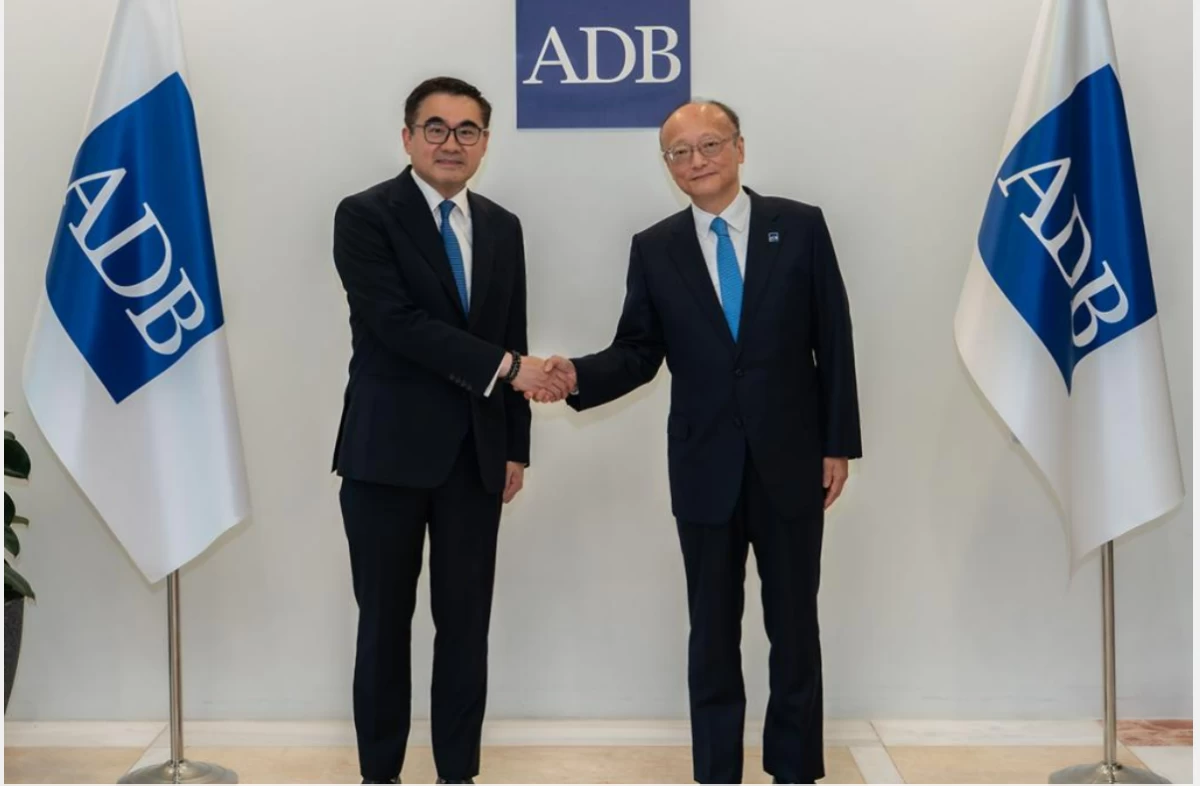
The agreement, signed by ADB President Masato Kanda and IAEA Director General Rafael Mariano Grossi, is the first of its kind between the IAEA and a regional development bank, signifying a robust commitment to de-risk nuclear investments in the region. ADB’s expanded mandate to finance nuclear projects, combined with IAEA’s gold standard for safety, security, and safeguards, creates a powerful synergy. This collaborative framework is designed to strengthen technical capacity, governance, and decision-making for countries exploring nuclear pathways, effectively lowering the barrier to entry for these capital-intensive projects. For investors, this opens new avenues in nuclear supply chains, engineering, and infrastructure development across countries like the Philippines, Indonesia, and Vietnam, all of whom are actively assessing their nuclear options. Our proprietary reader intent data reveals a consistent preoccupation with future oil prices, with questions like “what do you predict the price of oil per barrel will be by end of 2026?” dominating queries. While this nuclear shift won’t immediately impact short-term crude prices, it undeniably establishes a long-term structural demand headwind for fossil fuels in the region, compelling a re-evaluation of terminal value for traditional energy assets.
SMRs: Decentralizing Power and Driving Innovation
A significant component of the new partnership’s focus is on next-generation technologies, particularly Small Modular Reactors (SMRs). Several Asian economies view SMRs as a critical complement to renewable energy expansion, offering enhanced grid reliability, flexibility, and even the potential for rural electrification. Unlike traditional large-scale nuclear plants, SMRs can be deployed incrementally, reducing upfront capital costs and construction timelines. Their modular nature also allows for greater standardization and factory fabrication, promising improved safety and efficiency. The ADB-IAEA alliance will provide advisory work, support regulatory system strengthening, and ensure best-practice controls across the entire nuclear fuel cycle and waste management for these advanced technologies. This focus on SMRs indicates a forward-looking strategy that not only diversifies baseload generation but also fosters a more resilient, distributed energy infrastructure across a vast and diverse geographic region.
Navigating Immediate Market Dynamics and Upcoming Catalysts
While the long-term energy transition narrative is clear, investors must also remain attuned to immediate market catalysts that will continue to shape oil and gas prices. The OPEC+ Joint Ministerial Monitoring Committee (JMMC) Meeting scheduled for tomorrow, April 21st, will be closely watched for any signals regarding production policy, which could directly impact crude supply. Following this, the EIA Weekly Petroleum Status Report on April 22nd and April 29th, alongside the API Weekly Crude Inventory reports on April 28th and May 5th, will provide crucial insights into U.S. inventory levels and demand trends. Furthermore, the Baker Hughes Rig Count on April 24th and May 1st will offer a glimpse into North American upstream activity. Finally, the EIA Short-Term Energy Outlook on May 2nd will present updated projections that could influence market sentiment for the coming months. These near-term events will dictate the ebb and flow of crude pricing, even as the foundational shifts brought about by partnerships like the ADB-IAEA alliance begin to lay the groundwork for a significantly altered energy future.


