In an era where sustainability is no longer a niche concern but a core determinant of corporate value, the oil and gas sector faces unprecedented scrutiny regarding its environmental, social, and governance (ESG) performance. Achilles’ introduction of Comply360 marks a significant milestone in how energy companies can navigate this complex landscape. This enterprise software solution promises to automate and centralize ESG data collection and reporting, directly addressing the industry’s need for transparent, accurate, and audit-ready disclosures. For investors, this development signals a critical shift towards streamlined compliance, potentially enhancing operational efficiency and bolstering investor confidence in companies capable of demonstrating robust sustainability practices amidst escalating regulatory pressures and evolving stakeholder expectations.
The ESG Imperative: Navigating Investor Demands and Regulatory Headwinds
The pressure on energy companies to demonstrate credible ESG performance has never been higher. Regulations like the Corporate Sustainability Reporting Directive (CSRD), IFRS Sustainability Disclosure Standards, and GRI Standards are transforming sustainability reporting from a voluntary exercise into a mandatory, rigorous requirement. For investors tracking the sector, a company’s ability to meet these evolving mandates is becoming a key indicator of its long-term viability and attractiveness. Our proprietary reader intent data reveals a keen interest in company-specific performance, with investors asking questions like, “How well do you think Repsol will end in April 2026?” Such inquiries underscore that financial performance is increasingly intertwined with an entity’s ESG posture. Platforms like Comply360 offer a strategic advantage, enabling companies to move beyond fragmented, manual processes to achieve comprehensive, verifiable non-financial disclosures. This level of transparency is vital for maintaining stakeholder trust and attracting capital from an increasingly ESG-conscious investment community. The configurable nature of Comply360, allowing for sector-specific or investor-driven customization and materiality assessments, ensures that reports are not just compliant but also relevant and impactful.
Comply360’s Technological Edge: Efficiency Meets Accountability
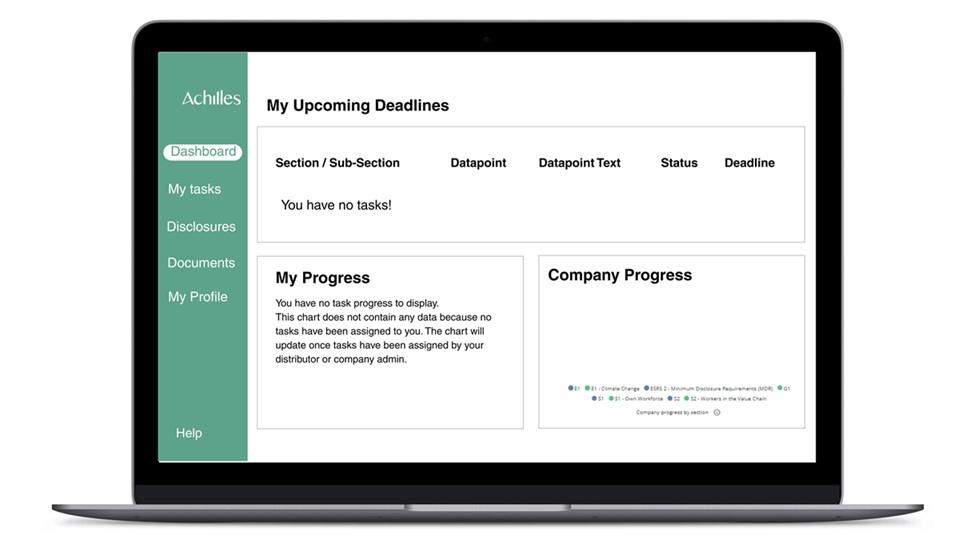
At the heart of Comply360’s value proposition lies its sophisticated technological architecture designed to optimize the entire ESG reporting lifecycle. The platform leverages advanced AI, specifically its in-house developed InfoControl, to extract and pre-fill data from internal documents, drastically reducing manual effort and enhancing disclosure accuracy. This integration with existing enterprise resource planning (ERP) systems and third-party tools ensures a seamless flow of data, eliminating silos that often plague traditional reporting methods. Furthermore, the inclusion of a built-in carbon estimator, powered by internationally recognized GHG Emission Factors, provides precise carbon emission calculations from operational data, a critical component for oil and gas companies facing intense scrutiny over their environmental footprint. Real-time dashboards and delegated task assignments foster unparalleled visibility and accountability across departments, transforming a typically arduous process into an efficient, collaborative endeavor. For investors, this technological leap translates directly into reduced operational risk, improved data integrity, and a clearer picture of a company’s sustainability progress, all of which contribute to a more compelling investment thesis.
ESG Resilience Amidst Market Volatility: A Strategic Differentiator
The current market environment underscores the critical role of robust operational and reporting frameworks. As of today, Brent crude trades at $90.38, marking a significant 9.07% decline within the day, while WTI crude sits at $82.59, down 9.41%. This sharp downturn is part of a broader trend, with Brent having fallen from $112.78 on March 30th to $91.87 on April 17th, representing an 18.5% drop in less than three weeks. Such volatility in commodity prices inherently impacts the financial performance of oil and gas operators. In this fluctuating landscape, companies demonstrating strong ESG compliance, facilitated by tools like Comply360, can differentiate themselves. While short-term price movements dominate headlines, a company’s commitment to long-term sustainability and transparent reporting signals resilience and strategic foresight. Investors recognize that effective ESG management can mitigate future risks, enhance operational stability, and potentially lead to lower capital costs, even when faced with immediate market headwinds. The ability to quickly produce audit-ready disclosures, even during periods of market stress, showcases operational maturity and a proactive stance towards investor relations.
Forward Outlook: ESG Reporting and Upcoming Market Catalysts
Looking ahead, the interplay between market events and ESG reporting will only intensify. The coming weeks are packed with critical energy events, including the OPEC+ Joint Ministerial Monitoring Committee (JMMC) meeting on April 18th, followed by the Full Ministerial meeting on April 19th. These gatherings are crucial for setting production quotas, a topic frequently on the minds of our readers, who often inquire about “OPEC+ current production quotas.” Changes in these quotas directly impact operational levels, which in turn affect carbon emissions and other ESG metrics. Subsequent API and EIA Weekly Petroleum Status Reports on April 21st, 22nd, 28th, and 29th, alongside the Baker Hughes Rig Count on April 24th and May 1st, will provide further insights into supply, demand, and drilling activity. For companies utilizing Comply360, these market shifts become manageable data points within a centralized system. The platform’s ability to seamlessly integrate with operational data means that changes in production, inventory, or drilling can be immediately reflected in carbon accounting and other sustainability metrics, ensuring that disclosures remain accurate and up-to-date. This forward-looking capability is essential for investors seeking clarity on how energy companies are adapting their ESG strategies in real-time, especially as they ponder long-term price predictions, such as “what do you predict the price of oil per barrel will be by end of 2026?” A robust ESG framework, supported by automated reporting, positions companies to effectively communicate their progress and strategic vision, irrespective of short-term market fluctuations.


