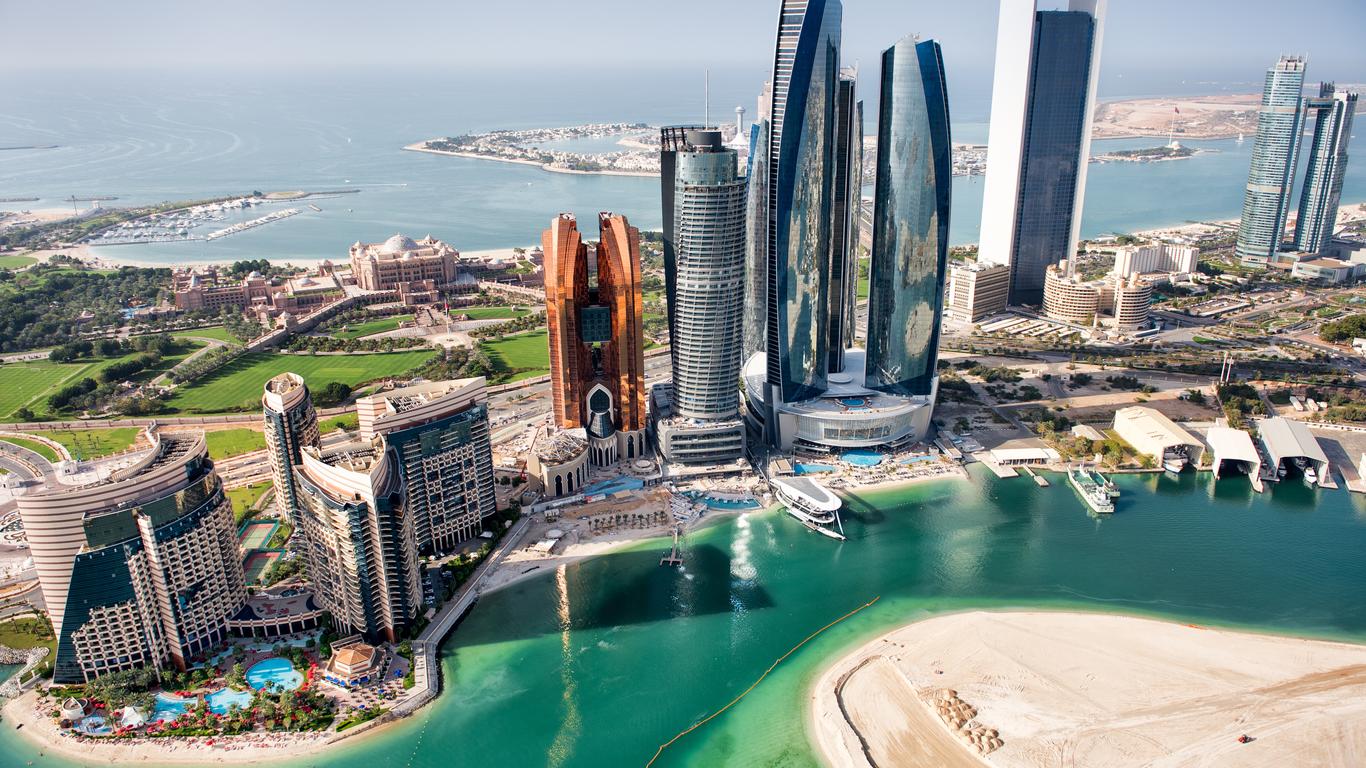
Abu Dhabi, a cornerstone of global energy supply, has unveiled its inaugural Climate Change Adaptation Plan for the Environment Sector (2025–2050). While seemingly focused on environmental protection, this long-term, science-based strategy carries significant implications for oil and gas investors. Beyond the immediate operational concerns of the energy sector, this plan signals a deeper strategic pivot by a major hydrocarbon producer towards long-term resource security, economic diversification, and climate resilience. For investors navigating an increasingly complex energy landscape, understanding these foundational shifts in national strategy is crucial for assessing future capital allocation, regional stability, and the evolving role of traditional energy powerhouses.
Abu Dhabi’s Strategic Pivot: Beyond Hydrocarbons
The newly launched Climate Change Adaptation Plan, developed by the Environment Agency – Abu Dhabi (EAD), outlines 142 adaptation actions, with 86 prioritized for implementation within the next five years. The plan targets three critical, climate-vulnerable systems: groundwater, soil, and biodiversity. These elements are foundational to the emirate’s food security, water supply, and overall ecosystem health. For a region heavily reliant on hydrocarbon revenues, dedicating substantial resources and strategic foresight to natural capital enhancement represents a profound shift. This is not merely an environmental initiative; it is a long-term economic resilience strategy. By safeguarding vital natural resources, Abu Dhabi is proactively mitigating future risks that could impact its broader economic stability and, by extension, its capacity to continue as a reliable energy partner. Investors should view this as a commitment to ensuring a stable operating environment for all sectors, including the energy industry, far into the future.
Market Volatility Meets Long-Term Vision: An Investor’s Dilemma
The strategic, multi-decade planning exemplified by Abu Dhabi stands in stark contrast to the immediate volatility gripping global energy markets. As of today, Brent crude trades at $90.38, reflecting a significant -9.07% daily decline, mirroring WTI’s -9.41% drop to $82.59. This volatility is further underscored by Brent’s substantial 18.5% slide from $112.78 just two weeks ago, dating back to March 30. Such rapid price swings, with daily ranges for Brent stretching from $86.08 to $98.97 and WTI from $78.97 to $90.34, create an immediate challenge for investors. However, sophisticated market participants recognize that these short-term fluctuations, while demanding tactical responses, must be viewed within the context of overarching, long-term strategic directives from key producers. Abu Dhabi’s climate plan, despite not directly addressing oil production, signals a nation actively investing in its foundational stability, which can indirectly foster a more predictable long-term investment climate, even as crude prices ebb and flow in the interim.
Anticipating Future Headwinds: Climate Resilience as Economic Security
The rationale behind Abu Dhabi’s climate adaptation plan is deeply rooted in securing its future economic prosperity. By identifying groundwater, soil, and biodiversity as highly vulnerable systems, the emirate is acknowledging the direct threats climate change poses to its water security, agricultural output, and overall human health. The plan aims to enhance natural capital and boost food self-sufficiency, aligning with the UAE National Climate Change Plan 2017–2050 and the UAE Framework for Global Climate Resilience introduced at COP28. For investors, this proactive stance on climate resilience is a critical indicator of responsible governance and long-term viability. A region that effectively manages its environmental risks is inherently more stable and attractive for capital. This strategy, developed with over 40 stakeholders from government, academia, and civil society, emphasizes an adaptive design, integrating the latest data and evolving climate projections. This forward-looking approach suggests a commitment to mitigating systemic risks that could otherwise undermine broader economic development and investment returns over time.
Navigating the Next Fortnight: Short-Term Catalysts Amidst Long-Term Trends
While Abu Dhabi charts a course for the next quarter-century, investors are keenly asking about the trajectory of oil prices, with many looking for predictions for barrel prices by the end of 2026. This immediate focus on price discovery comes just ahead of a critical period for oil markets, with the OPEC+ Joint Ministerial Monitoring Committee (JMMC) meeting scheduled for April 18th, immediately followed by the Full Ministerial meeting on April 19th. These gatherings are pivotal, as market participants are eager to understand potential shifts in production quotas – a frequent query from our readers. Further short-term indicators will emerge with the API Weekly Crude Inventory reports on April 21st and 28th, complemented by the EIA Weekly Petroleum Status Reports on April 22nd and 29th. The Baker Hughes Rig Count on April 24th and May 1st will also provide insights into drilling activity. These upcoming events will undoubtedly dictate near-term market sentiment and price action. However, discerning investors understand that while these short-term catalysts are crucial for tactical trading, they occur within a broader strategic shift. The long-term vision articulated by Abu Dhabi’s climate plan provides a macro lens through which to evaluate the sustainability and strategic direction of a key global energy player, irrespective of immediate inventory swings or OPEC+ pronouncements.
Investment Implications: Diversification and the New Energy Paradigm
Abu Dhabi’s Climate Change Adaptation Plan for the Environment Sector should be interpreted by oil and gas investors as more than just an environmental policy; it is a declaration of long-term economic strategy. By investing heavily in natural capital and climate resilience, Abu Dhabi is subtly telegraphing its commitment to a diversified, sustainable future beyond an exclusive reliance on hydrocarbons. This proactive approach to securing food and water resources, alongside ecosystem health, creates a more stable foundation for all economic activities, including the energy sector. For investors, this implies that while traditional oil and gas assets in the region will remain significant, capital flows may increasingly be directed towards infrastructure resilience, sustainable agriculture, water management technologies, and renewable energy projects within the emirate. Understanding this strategic pivot is essential for identifying emerging investment opportunities and assessing the long-term viability of existing portfolios in a world where climate risk and resource security are becoming paramount drivers of economic policy, even for the largest oil producers.


