The global energy landscape is constantly evolving, presenting investors with a complex interplay of geopolitical shifts, technological advancements, and market fundamentals. Yet, an increasingly potent and often underestimated factor is emerging: the volatility of the natural water cycle. Recent scientific warnings highlight that only one-third of the world’s river basins experienced normal conditions last year, with extremes of drought and deluge impacting regions globally. For oil and gas investors, this isn’t merely an environmental concern; it represents a tangible, growing operational and financial risk that demands immediate attention and integration into investment theses, moving beyond traditional supply-demand analyses to embrace a more holistic view of asset resilience and long-term value.
The Rising Tide of Operational Water Risk in O&G
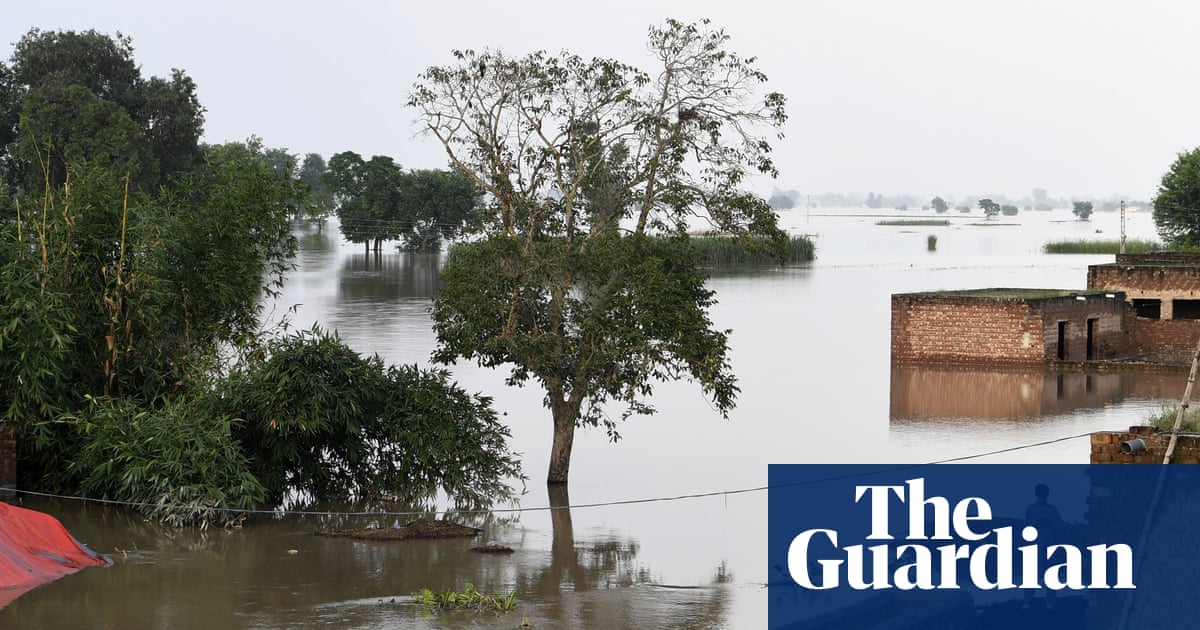
The latest global hydrological assessments paint a stark picture: the planet’s water systems are in disarray, driven by unprecedented warming. Last year, the hottest on record, saw mean surface temperatures 1.55°C above pre-industrial levels, triggering a domino effect on water availability. Regions like the Amazon basin experienced severe drought, peaking from July to September, while parts of North America, southern Africa, and Mexico also grappled with dry conditions. Simultaneously, Central Europe, Russia, Pakistan, and northern India faced devastating floods, with some areas like southern Brazil experiencing both extremes in close proximity. For the oil and gas sector, water is not just a commodity; it’s an indispensable operational input. From hydraulic fracturing and drilling to processing, cooling, and transportation, every stage of the upstream and midstream value chain relies heavily on stable, accessible water resources. Disruptions, whether from scarcity or inundation, directly translate to increased operational costs, project delays, and even halted production. The “existential” nature of these water challenges, as described by leading hydrologists, demands a re-evaluation of asset vulnerability, particularly in regions critical to global energy supply.
Market Dynamics: Water Stress Meets Crude Volatility
Against the backdrop of intensifying water risk, global crude markets continue their characteristic dance of volatility. As of today, Brent crude trades at $98.15 per barrel, reflecting a 1.25% daily decline within a range of $97.92 to $98.67. WTI crude follows a similar trajectory, priced at $89.80, down 1.5% and navigating a daily range of $89.57 to $90.26. This recent dip, however, is part of a broader trend; our proprietary data shows Brent has shed $14, or 12.4%, from its $112.57 perch just two weeks ago on March 27th. While macroeconomic concerns, demand outlooks, and geopolitical tensions often dominate investor conversations regarding these price movements, the emerging layer of water-related operational risk adds a critical, often unpriced, dimension. A severe drought in a key shale basin, for instance, can restrict water access for hydraulic fracturing, impacting short-term production forecasts. Conversely, extensive flooding can damage vital infrastructure, disrupting logistics and supply chains, potentially tightening regional supplies and influencing localized price premiums. Investors frequently ask about the current Brent crude price and the models behind it, but increasingly, understanding these non-traditional influences on supply stability will be key to deciphering future market shifts.
Navigating Future Uncertainty: Operational Resilience and Upcoming Catalysts
The next few weeks are packed with events that typically drive market sentiment and investor decisions, yet the undercurrent of water risk will increasingly influence their long-term implications. The upcoming OPEC+ Joint Ministerial Monitoring Committee (JMMC) and full Ministerial meetings on April 17th and 18th, respectively, will set production quotas. While investors are keenly focused on these announcements, which directly address questions about OPEC+ current production levels, the ability of member and non-member countries to consistently meet these quotas in the face of escalating water challenges becomes a critical consideration. Can regions like the Middle East or North Africa, already water-stressed, sustain increased production without innovative water management? Furthermore, weekly data releases such as the API Crude Inventory on April 21st and 28th, and the EIA Weekly Petroleum Status Reports on April 22nd and 29th, will provide snapshots of supply and demand. However, these reports, alongside the Baker Hughes Rig Count on April 24th and May 1st, must be interpreted with an eye toward regional water availability. A drought in a key U.S. shale play could, for example, constrain drilling activity and thus future inventory builds, while floods could disrupt refinery operations or transport, impacting petroleum status. Forward-looking investors must integrate these physical risks into their analysis of traditional market catalysts.
Investor Toolkit: Identifying and Mitigating Water-Related Exposures
For discerning oil and gas investors, the rising prominence of water risk necessitates a shift in due diligence and portfolio construction. Companies operating in highly water-stressed or flood-prone regions must demonstrate robust water management strategies. This includes significant investments in water recycling and reuse technologies for processes like hydraulic fracturing, enhanced water storage infrastructure, and the restoration of natural wetlands to act as sponges against both drought and flood. Moreover, geographical diversification of assets can help mitigate concentrated regional water risks. As investors increasingly seek comprehensive data sources to power their market insights, the emphasis shifts to understanding how portfolio companies are disclosing and proactively addressing these environmental exposures. Valuing an oil and gas asset today requires more than just reserves and production forecasts; it demands a thorough assessment of its water footprint, its resilience to hydrological extremes, and its social license to operate in increasingly water-conscious communities. Companies that prioritize and innovate in water stewardship will likely exhibit greater operational stability, lower long-term costs, and ultimately, superior investment returns in a world grappling with abnormal river basins.


