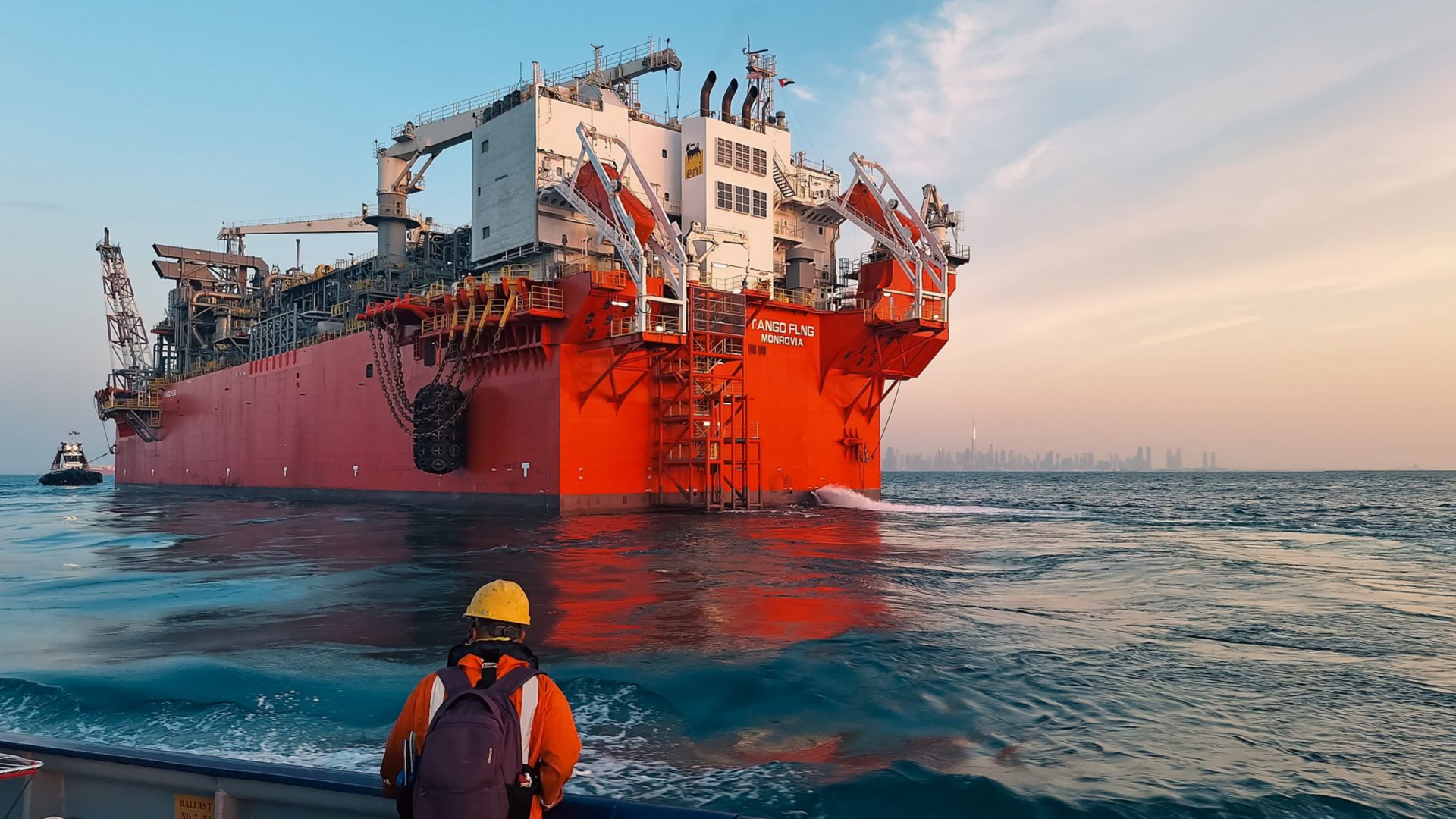
Congo’s Strategic Ascent in Global LNG with Nguya FLNG
The Republic of Congo is rapidly solidifying its position as a critical player in the global liquefied natural gas (LNG) market, underscored by the strategic progress of Eni’s Congo LNG project. A significant development in this ambition is the Nguya FLNG facility, designed to significantly enhance the nation’s export capabilities. The recent contract award to ABL Group’s Longitude arm for specialized marine hook-up operations engineering signals a crucial step forward in bringing this vital infrastructure online. For investors tracking the evolving energy landscape, particularly in African gas, the Nguya FLNG represents a high-impact asset, leveraging floating liquefaction technology to accelerate gas-to-market strategies and diversify global energy supplies.
Nguya FLNG: A Cornerstone of Congo’s Energy Future
The Nguya FLNG facility is poised to become a cornerstone of Congo’s energy export strategy, operating approximately 50 kilometers offshore Pointe-Noire in 33 meters of water. As Phase 2 of Eni’s ambitious Congo LNG project, Nguya FLNG is engineered to complement the existing Tango FLNG, substantially increasing the overall liquefaction capacity. With a maximum LNG capacity of approximately 2.4 million tonnes per annum (MMtpa) from its two liquefaction trains, equivalent to 3.3 billion cubic meters of natural gas, this project is a testament to the efficiency and scalability of floating LNG solutions. These facilities are integral to unlocking offshore gas reserves quickly and cost-effectively, providing a flexible means to meet burgeoning international demand for natural gas. For investors, this project signifies robust long-term revenue potential for Eni and its partners, driven by the global energy transition and persistent demand for cleaner-burning fuels.
Precision Engineering: The Unseen Force Behind Offshore Giants
Bringing a complex floating liquefied natural gas terminal like Nguya FLNG online requires an intricate dance of specialized engineering and operational expertise. PACC Offshore Services (POSH) has been tasked with the critical towing and delivery of the Nguya FLNG unit, deploying a fleet of tugs to ensure its precise positioning offshore Congo. Crucially, POSH has enlisted Longitude, an engineering arm of the Oslo-listed ABL Group, to deliver highly specialized marine hook-up operations engineering. Longitude’s remit includes the meticulous planning and execution of station-keeping operations, the intricate hook-up of submerged swivel yoke mooring tethers, and riser pull-in procedures. Furthermore, their commitment extends to providing essential offshore operational support, deploying hook-up commanders and station-keeping masters directly to the site. This level of technical precision underscores the complex risk management inherent in such projects and highlights the indispensable role of highly specialized service providers like ABL Group in ensuring the long-term performance and safety of these energy assets. Investors often overlook these specialized engineering contributions, yet they are fundamental to project success and efficient capital deployment in the offshore sector.
Navigating Market Headwinds: Brent Trends and LNG Project Viability
The broader energy market context remains a critical consideration for any major capital project. As of today, Brent Crude trades at $98.23, reflecting a slight daily retreat of 1.17% within a range of $97.92 to $98.67. This current price point represents a significant shift from just two weeks ago, when Brent was trading at $112.57 on March 27th, marking a decline of over 12% in that period. This volatility naturally prompts questions from investors regarding the stability of commodity prices and their impact on the economics of large-scale energy developments. While crude prices have seen some softening, the fundamentals for natural gas, particularly LNG, remain robust. Global demand for LNG continues to be driven by energy security concerns, geopolitical realignments, and the ongoing push for gas as a transitional fuel in power generation and industrial sectors. Despite fluctuations in crude, the strong demand-supply dynamics for LNG provide a solid foundation for projects like Nguya FLNG, ensuring attractive returns for investors focused on gas-centric portfolios. Our proprietary reader intent data shows investors are particularly focused on “What is the current Brent crude price?” and “What are OPEC+ current production quotas?”, indicating a keen awareness of macro-level influences on their energy investments.
Forward Outlook: Upcoming Events and Strategic Implications for LNG Investors
Looking ahead, the next few weeks present several key events that could influence the broader energy market sentiment and, by extension, investor appetite for projects such as the Nguya FLNG. The upcoming OPEC+ meetings, with the Joint Ministerial Monitoring Committee (JMMC) convening on April 18th and the Full Ministerial Meeting scheduled for April 20th, will be closely watched. While these meetings primarily focus on crude oil production quotas, their decisions can send ripples across the entire energy complex, impacting investor confidence and capital flows into all segments, including natural gas. Shifts in OPEC+ strategy can alter global supply-demand balances, indirectly affecting the economic outlook for new gas developments. Furthermore, the regular cadence of inventory reports, such as the API Weekly Crude Inventory on April 21st and April 28th, and the EIA Weekly Petroleum Status Report on April 22nd and April 29th, will provide critical insights into short-term demand signals. These reports, while focused on petroleum, are key indicators of broader industrial activity and consumer behavior, which can influence natural gas demand projections. For investors in LNG, monitoring these events is crucial for understanding the macro environment in which projects like Nguya FLNG will operate and deliver value.


