NYK’s DAC Investment Signals New Era for Industrial Decarbonization and O&G Strategy
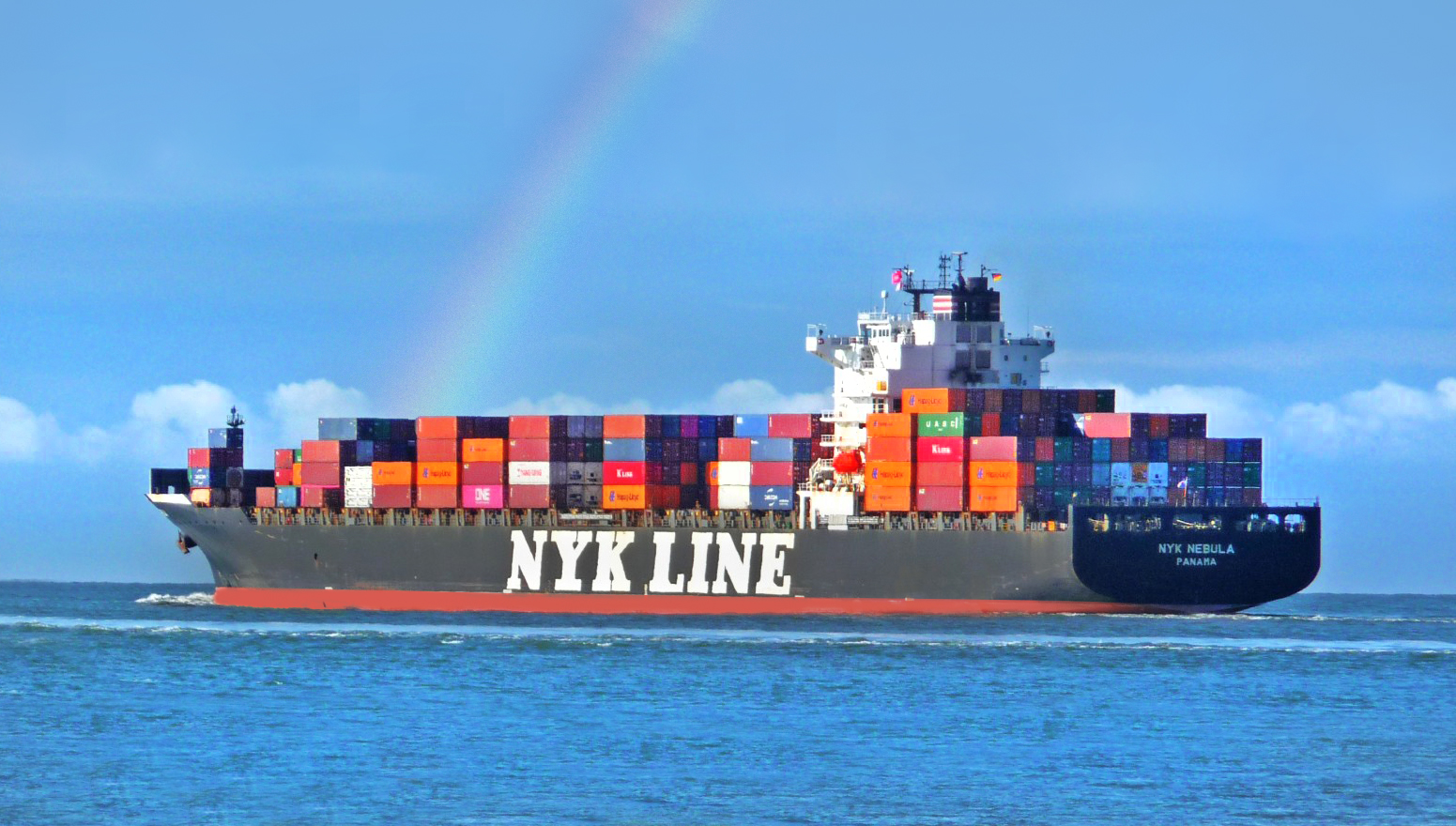
In a powerful affirmation of the accelerating energy transition, Japanese shipping titan NYK Line has executed a landmark deal, securing a significant portfolio of carbon dioxide removal (CDR) credits from Swiss climate technology innovator Climeworks. This pivotal three-year agreement, set to commence with credit deliveries in fiscal year 2026, positions NYK as the inaugural Japanese corporation to directly commit capital to engineered carbon removal solutions from Climeworks. For astute investors monitoring the evolving landscape of global decarbonization, this transaction resonates deeply, illuminating a critical pathway for hard-to-abate industrial emissions, particularly within the energy-intensive maritime sector, and offering clear signals for the oil and gas industry’s strategic evolution.
The move by a global logistics powerhouse like NYK underscores a burgeoning corporate imperative for verifiable, long-term carbon offsets. NYK’s strategy is transparent: to bridge its remaining emissions gap and fortify its ambitious 2050 net-zero roadmap. This involves augmenting aggressive internal emissions reduction efforts with high-integrity, permanent carbon removals. Such a dual-pronged approach is rapidly becoming the gold standard for heavy industries confronting persistent operational emissions that defy complete elimination through traditional abatement methods alone. This paradigm shift holds profound implications for how oil and gas companies will need to manage their own environmental liabilities and investment portfolios.
Strategic Carbon Offset: A Blueprint for Heavy Industry
NYK’s acquisition of these engineered CDR credits specifically targets its Scope 1 emissions—those directly generated from its vast shipping operations. These direct operational emissions represent some of the most formidable challenges to mitigate entirely, even with substantial capital deployment into fuel efficiency upgrades and alternative propulsion technologies. By proactively securing these credits, NYK is not merely engaging in a symbolic gesture; it is implementing a concrete financial and operational strategy to address residual emissions that are likely to persist even as its fleet undergoes a gradual transition to lower-carbon fuels. This forward-thinking stance offers a valuable blueprint for other heavy industries, including various segments of the oil and gas sector, as they grapple with their own complex net-zero commitments and seek credible, investable solutions.
The structured nature of the agreement, with credit deliveries scheduled from FY2026, provides a clear and actionable timeline for integrating these removals into NYK’s financial and environmental reporting. This long-term commitment signals a robust belief in the enduring viability and essential nature of engineered carbon removal solutions like direct air capture (DAC). For oil and gas investors, understanding the motivations behind such large-scale corporate purchases offers invaluable insight into the future demand for carbon capture technologies, the expansion of geological storage solutions, and the evolving valuation of carbon assets across the energy spectrum.
Direct Air Capture: A Premium on Permanence
Climeworks, a leader in direct air capture, extracts atmospheric CO₂ and permanently stores it underground. This technology offers a high degree of measurability and permanence, which is increasingly valued in the voluntary carbon markets. The decision by NYK to specifically engage with a provider of engineered removals highlights a market trend favoring solutions with robust verification and long-term impact over less permanent, nature-based offsets. This preference translates directly into a higher price point for these credits but also offers greater assurance of genuine climate impact, a factor increasingly scrutinized by investors and regulators alike.
For the oil and gas industry, this transaction underscores the growing commercial viability of DAC and other carbon capture, utilization, and storage (CCUS) technologies. As more industrial players seek high-integrity solutions for their residual emissions, the demand for the infrastructure and expertise associated with CO₂ capture, transport, and permanent geological storage will escalate. This creates significant investment opportunities for companies well-positioned in these areas, from those developing proprietary capture technologies to those providing vast underground storage capacity and the logistics to connect them.
Investment Implications for the Oil & Gas Sector
NYK’s strategic move serves as a potent demand signal for the carbon removal market, directly impacting the oil and gas sector in several ways. Firstly, it validates the business case for investing in and scaling up engineered carbon removal solutions. Oil and gas companies possess unique capabilities in subsurface geology and large-scale project management, making them natural partners and developers for CO₂ storage hubs and DAC facilities. Secondly, it signals a growing corporate appetite for premium, verifiable carbon credits, which could drive future revenue streams for O&G firms that develop their own carbon removal projects or provide services to others.
Moreover, as global shipping and other heavy industries commit to net-zero pathways, the pressure on energy providers to offer lower-carbon fuels and carbon management services will intensify. This could accelerate diversification efforts within the oil and gas sector, pushing companies further into clean hydrogen production (often coupled with carbon capture), bioenergy with carbon capture and storage (BECCS), and direct air capture projects. Investors should scrutinize company portfolios for strategic alignments with these emerging markets, as they represent significant long-term growth vectors in a decarbonizing world.
The forward-purchase agreement structure also provides crucial long-term revenue visibility for technology developers like Climeworks, de-risking investments and accelerating scale-up. This model could be replicated for other nascent carbon capture and removal technologies, creating a virtuous cycle of demand and supply growth. Oil and gas firms looking to innovate or acquire in this space will find a more mature market with established precedents for commercial engagement.
The Evolving Landscape of Carbon Assets
This transaction is more than just a credit purchase; it represents the increasing financialization of carbon assets. As companies like NYK commit substantial capital to long-term removal agreements, the intrinsic value of these credits solidifies. For oil and gas investors, this means understanding the evolving market dynamics of carbon pricing, the differentiation between various types of offsets, and the regulatory frameworks that will govern their trade and accounting. The premium paid for engineered, permanent removals sets a benchmark for quality and could influence investment decisions across the entire carbon value chain, from traditional offsets to cutting-edge capture technologies.
In conclusion, NYK Line’s pioneering investment in Climeworks’ direct air capture credits marks a significant inflection point for industrial decarbonization. It sends a clear message about the inevitability and necessity of engineered carbon removal in achieving net-zero targets, particularly for sectors with intractable emissions. For oil and gas financial journalists and investors, this deal is a critical indicator of future capital flows, technological priorities, and the strategic repositioning required to thrive in a carbon-constrained global economy. The era of carbon management as a core business function has truly arrived.


