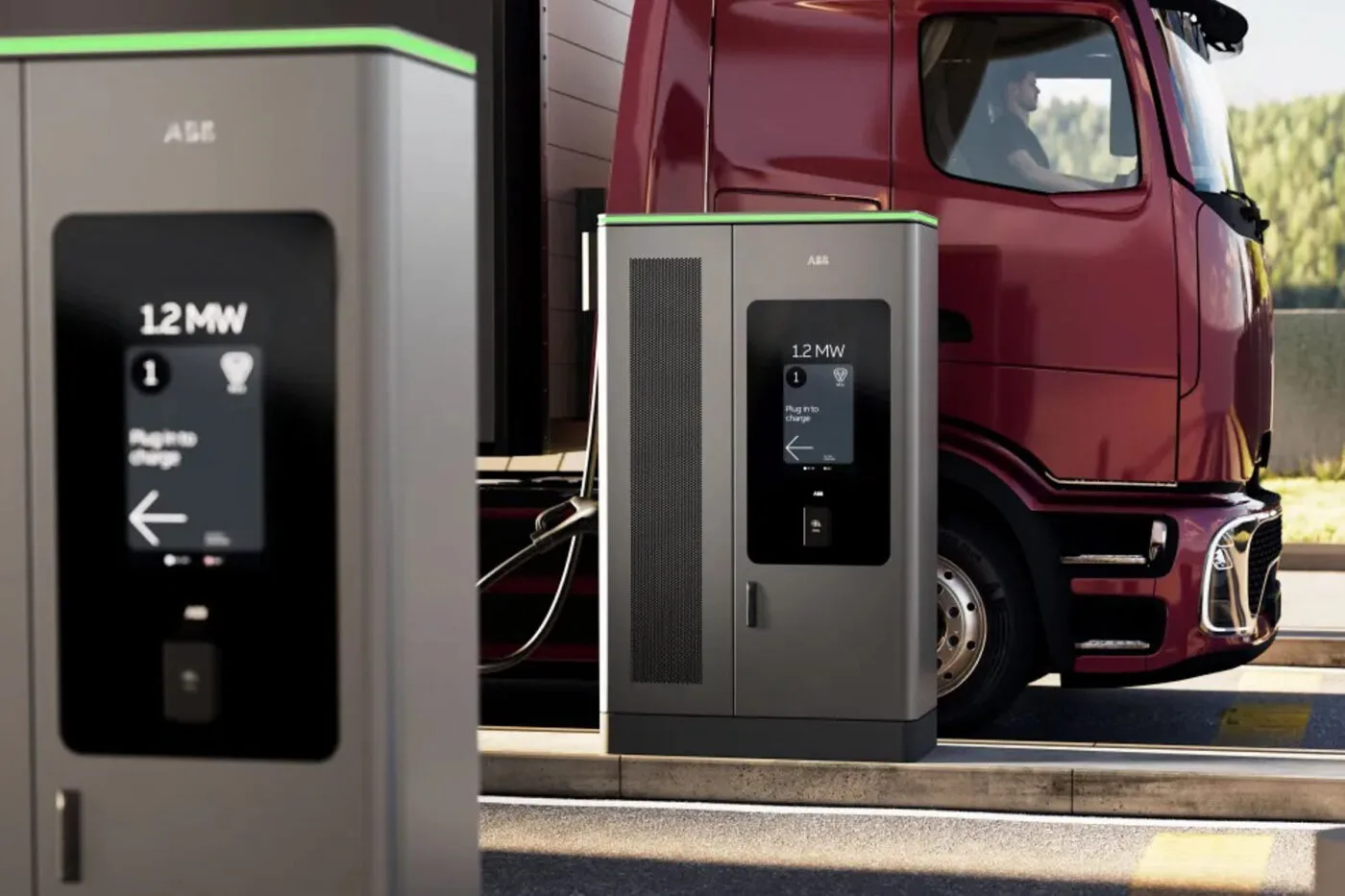
The global energy sector continues its profound evolution, presenting both formidable challenges and compelling opportunities for investors. A pivotal development comes from ABB E-mobility, a key player in electric vehicle (EV) charging technology, which is significantly expanding its portfolio of advanced DC charging systems. This strategic move emphatically underscores the accelerating transition in global energy consumption patterns, carrying substantial implications for the traditional oil and gas markets.
For astute investors keenly observing the energy transition, these advancements signal new frontiers in electrification, poised to reshape demand across various transportation segments, from personal vehicles to the most demanding heavy-duty logistics operations. The implications for future crude oil demand and refined product consumption, particularly diesel and gasoline, are becoming increasingly tangible.
Advanced Charging Solutions Reshaping Energy Demand
ABB’s latest suite of innovative charging solutions is set to make its debut at two prominent industry events. First, the Advanced Clean Transportation Expo (ACT) in Anaheim, California, from April 28-30, followed by an appearance at Power2Drive in Munich between May 7-9. This expanded product line is meticulously designed to address a broad spectrum of electrification needs, ranging from megawatt charging capabilities for large commercial vehicles, to specialized depot charging systems tailored for vehicle fleets, and highly adaptable, high-power charging solutions for passenger cars.
This aggressive expansion builds upon ABB’s prior successful product introductions, including the powerful A400 high-power charger and the compact C50 DC system. Such continued innovation solidifies ABB’s strategic intent to command a leading position in the rapidly expanding EV charging ecosystem. For oil and gas investors, each new charger deployment represents a tangible step towards reduced reliance on liquid fossil fuels, warranting close attention to the pace and scale of this infrastructure build-out.
Scalable Power: A-Series Innovation and Investment Safeguards
Investors seeking robust, long-term value within the burgeoning electric vehicle infrastructure domain should take note of ABB’s unwavering focus on modularity and scalability. The company is actively introducing two new additions to its acclaimed A-Series lineup: the A200 and A300, delivering 200 kW and 300 kW of power respectively. These new units seamlessly complement the existing 400 kW A400, with all three sharing a common, highly modular architecture.
This intelligent design philosophy empowers clients, from commercial fleet operators to public charging network providers, to incrementally scale their charging capacity on-site as demand intensifies. This flexibility provides a critical investment pathway, mitigating the risk of over-capitalization while ensuring future-proofing. ABB emphasizes that this modular strategy delivers exceptional scalability, effectively safeguarding customer investments and projecting substantial Total Cost of Ownership (TCO) savings over a ten-year operational horizon. Such economic advantages are crucial catalysts for accelerating the adoption of electric vehicles, directly impacting gasoline and lighter diesel fuel consumption.
A key technical advancement for the A-Series chargers is their self-contained nature. Each unit integrates all necessary power electronics, control units, and cooling systems within a single, compact enclosure. This eliminates the requirement for a separate power cabinet, a necessity for older generation systems such as ABB’s Terra HP. This streamlined design simplifies installation procedures and significantly reduces the physical footprint required, critical factors for dense urban deployments and space-constrained commercial sites. The ease and cost-effectiveness of deployment directly influence the speed at which EV charging infrastructure can proliferate, translating into a faster erosion of conventional fuel demand.
Megawatt Charging: A Direct Challenge to Diesel Dominance
Perhaps the most profound development for the heavy-duty logistics and transport sectors, and by direct extension, for the future of global diesel demand, is the forthcoming introduction of the MCS1200. This cutting-edge Megawatt Charging System is specifically engineered to meet the formidable power requirements of heavy-duty electric trucks. Developed through extensive collaborative efforts with leading truck original equipment manufacturers (OEMs), the MCS1200 is designed to deliver a staggering continuous output of 1,200 kW through a single MCS cable.
This immense power output is sufficient to rapidly recharge the massive battery packs characteristic of long-haul electric trucks, enabling them to complete demanding routes with minimal downtime. The emergence of such high-power charging solutions for commercial vehicles represents a direct, existential threat to the long-standing dominance of diesel fuel in the trucking industry. Investors in refining capacity and diesel distribution networks must closely monitor the rate of adoption and infrastructure build-out for systems like the MCS1200, as it will fundamentally alter the demand profile for one of the most resilient refined products.
Navigating the Evolving Energy Investment Landscape
ABB E-mobility’s aggressive push into advanced EV charging infrastructure serves as a stark reminder of the fundamental shifts underway across the global energy complex. The comprehensive nature of their new offerings—from scalable solutions for passenger cars and light commercial vehicles to game-changing megawatt charging for heavy-duty trucks—signals a rapid maturation of the electric mobility sector.
For investors primarily focused on oil and gas, these developments are not merely tangential trends; they represent direct competitive pressures. Each EV sold and each charging station deployed reduces the marginal demand for crude oil and its derivatives. While the transition will undoubtedly unfold over an extended period, the trajectory is clear. Strategic considerations for oil and gas portfolios must now increasingly encompass the implications of electrification, particularly in the transportation sector.
Monitoring the pace of EV charging infrastructure deployment, technological advancements in battery efficiency, and policy support for electrification will be paramount. Companies like ABB are laying the groundwork for a future where hydrocarbon fuels play a diminished role in mobility. Prudent oil and gas investors are advised to integrate these macro energy transition trends into their long-term investment theses, exploring potential hedges, diversification strategies, or identifying opportunities within segments of the energy market less exposed to direct electrification.