Trade Policies Inflate US Energy Sector Production Costs
The intricate landscape of global trade policy continues to exert substantial influence across the energy spectrum, touching everything from the manufacturing of electric vehicles (EVs) to the long-term outlook for crude oil consumption. Recent disclosures from a leading EV battery producer underscore how U.S. tariff structures are directly escalating manufacturing expenses for vital components, a development with profound ramifications for the broader energy transition and, consequently, the investment horizon for oil and gas.
Tariffs Drive Up EV Battery Manufacturing Expenses
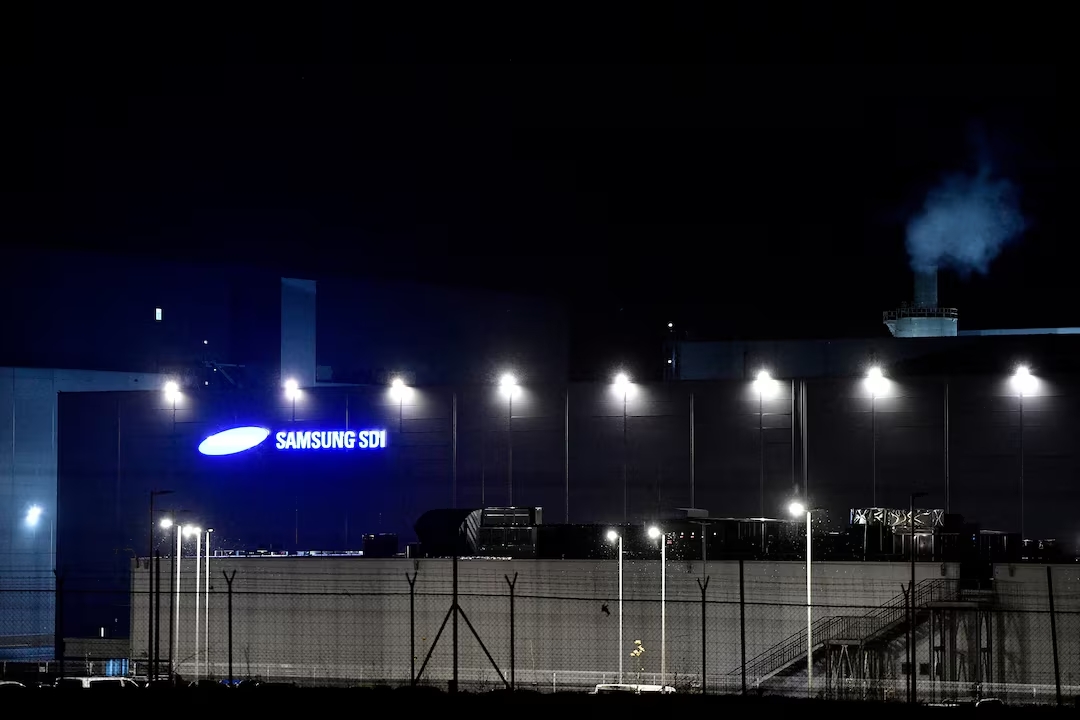
Samsung SDI, a prominent South Korean battery manufacturer renowned for supplying major automotive players such as BMW, Rivian, General Motors, and Stellantis, recently confirmed that current U.S. tariffs will inevitably elevate the cost of producing its EV batteries within American borders. While the ultimate assembly of these sophisticated battery packs is conducted stateside, a significant reliance on imported raw materials and intermediary components means these tariffs directly translate into higher operational expenditures. Executive Vice President Kim Yoon-tae articulated this challenge during a recent earnings briefing, highlighting the impending “cost burdens” despite the commitment to domestic production capabilities. This situation creates a complex financial environment for manufacturers aiming to leverage U.S. incentives while grappling with increased input costs.
Ripple Effect: Higher EV Prices and Market Dynamics
This isn’t merely an internal accounting concern for battery manufacturers; the escalating production costs for EV batteries generate a powerful multiplier effect across the entire automotive sector. Increased input expenses for battery makers invariably pressure automakers, who may find themselves compelled to absorb these additional costs, or, more commonly, pass them along to consumers in the form of elevated vehicle prices. Furthermore, Kim Yoon-tae noted that EVs manufactured by automotive clients in Mexico and Canada, intended for the North American market, could also face the impact of these tariffs, intensifying the pricing challenge across the continent. This cross-border dynamic adds another layer of complexity for supply chain planners and financial strategists within the auto industry.
Such price increases risk diminishing consumer enthusiasm and decelerating the pace of electric vehicle adoption. In a market already sensitive to vehicle affordability, range anxiety, and the availability of robust charging infrastructure, any additional cost barrier could significantly impede the desired transition away from internal combustion engine (ICE) vehicles. For investors closely tracking the energy transition, this scenario paints a nuanced picture, suggesting potential headwinds for aggressive EV penetration targets previously envisioned by many analysts and policymakers. Slower adoption rates could alter the timeline for peak oil demand, with significant implications for portfolio strategies.
Profound Implications for Oil and Gas Demand Forecasts
From an oil and gas investment perspective, these developments are profoundly relevant and warrant close scrutiny. A slower-than-anticipated shift towards electric vehicles directly implies a prolonged period of robust demand for traditional petroleum products. If higher EV prices deter a segment of consumers, the market for gasoline and diesel-powered vehicles will retain a larger share for an extended duration. This scenario substantially bolsters the investment thesis for several segments of the oil and gas industry.
Upstream exploration and production (E&P) companies, for instance, stand to benefit from sustained global crude oil demand, justifying continued investment in new projects and maintaining a healthy reserve replacement ratio. Midstream infrastructure operators, responsible for pipelines, storage, and processing facilities, would see continued utilization and potential expansion opportunities as transportation and distribution networks remain critical for delivering refined products to consumers. Downstream refiners, converting crude into gasoline, diesel, and jet fuel, would experience sustained margins and throughput, benefiting from a persistent market for their output.
Energy market analysts and investors must closely monitor these tariff-induced cost pressures, as they directly influence the pace of decarbonization and, by extension, the longevity of demand for hydrocarbon fuels. Any policy decision that makes EVs less competitive on price effectively extends the runway for conventional vehicles, impacting long-term strategic planning for energy majors and independent producers alike. The trajectory of global oil demand, often a key determinant of company valuations and capital allocation decisions, becomes increasingly sensitive to these trade policy shifts. This dynamic underscores the importance of a holistic investment approach that considers not just technological advancements, but also the broader geopolitical and economic forces shaping the energy landscape. Investors should remain vigilant, assessing how these tariff structures might reshape the competitive environment between established energy sources and emerging alternatives, ultimately influencing profitability across the entire oil and gas value chain.