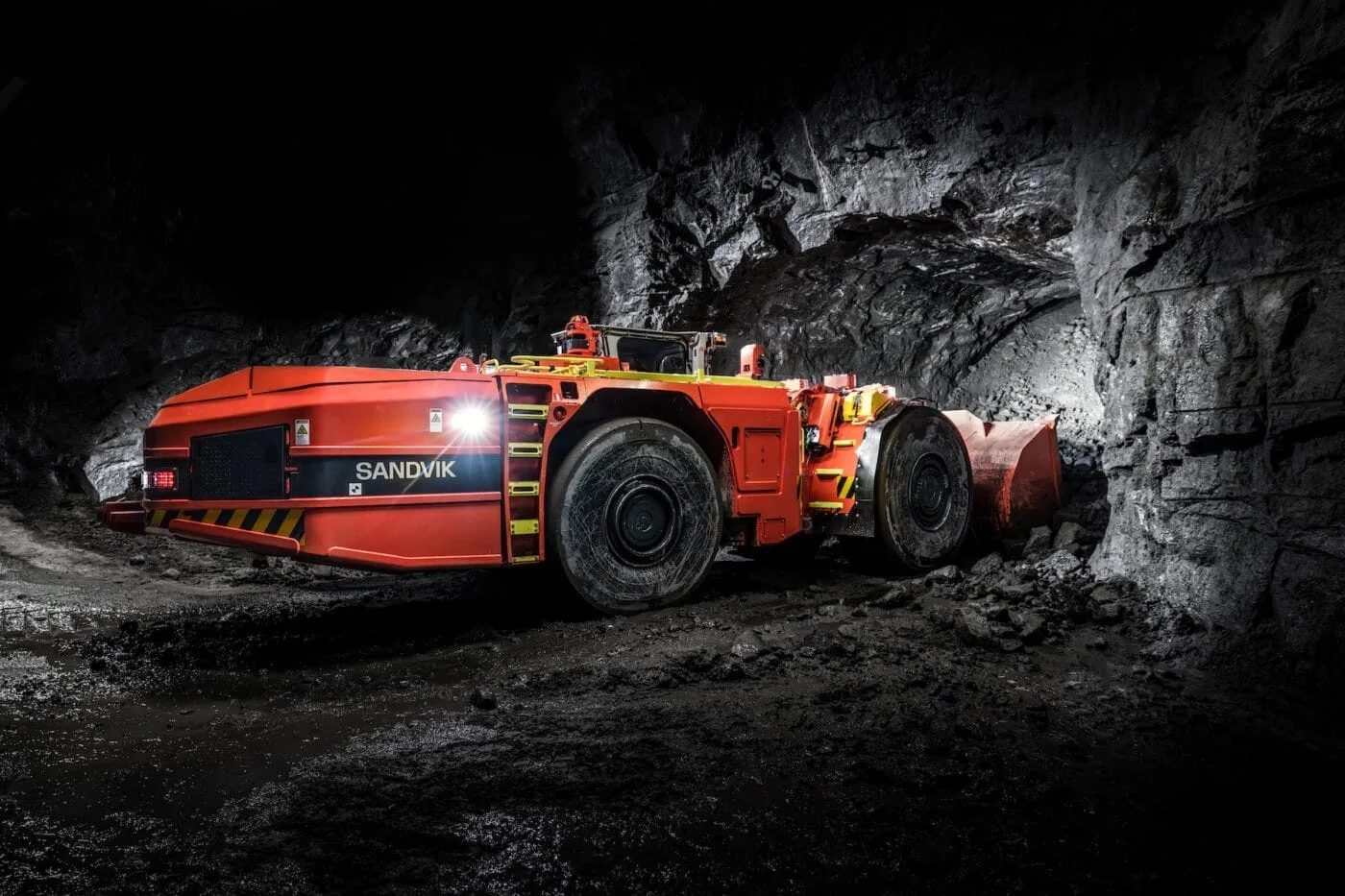
A significant strategic pivot within the global mining sector is sending clear signals to oil and gas investors, prompting a re-evaluation of long-term fuel demand projections. A recent, substantial agreement between Swedish heavy equipment manufacturer Sandvik and Australian mining giant South32 underscores a profound acceleration towards electrification in industrial operations, particularly in critical mineral extraction. This move, while targeting sustainable mining practices, simultaneously creates an undeniable headwind for traditional diesel fuel consumption in a sector historically reliant on it.
South32 has placed its largest-ever order for battery-electric vehicles (BEVs) to power its new Hermosa Critical Minerals project in Arizona, USA. Valued at approximately 750 million Swedish kronor, or €68 million, this landmark deal primarily focuses on advanced electric machinery, although it also includes a contingent of diesel-powered units with potential for future conversion. This investment is not merely an incremental upgrade; it represents a fundamental shift in operational philosophy, one that forward-thinking oil and gas investors must scrutinize for its broader implications on industrial fuel demand.
Hermosa Project: Powering the Future with Critical Minerals
The Hermosa project, strategically located in Arizona’s historic Patagonia Mountains mining district, approximately 80 kilometers southeast of Tucson and less than 20 kilometers from the US-Mexico border, holds immense importance for national energy security. Its primary objective is the extraction of manganese and zinc, both officially designated as critical minerals by the United States government. These elements are indispensable for bolstering the nation’s ambitious energy transition initiatives, serving as foundational components in advanced battery technologies and the expanding infrastructure of renewable energy. The project’s success directly contributes to a less fossil-fuel-dependent future, creating a feedback loop where the extraction of minerals for electrification is itself becoming electrified.
For oil and gas stakeholders, understanding the strategic imperative behind such mining ventures is crucial. As the world shifts towards cleaner energy sources, the demand for these critical minerals will only intensify, necessitating more mining operations. The method by which these minerals are extracted – increasingly through electrified fleets – directly impacts the consumption patterns of petroleum products in a traditionally energy-intensive industry.
Electrifying the Fleet: A Deep Dive into the Order
The core of this transformative order lies in an extensive fleet of advanced battery-electric vehicles specifically engineered for demanding underground mining operations. Among the standout units are four Sandvik Toro LH518iB loaders, each boasting an impressive 18-tonne payload capacity, powered by a robust 540 kW motor, and equipped with a substantial 482 kWh battery. A critical innovation integrated into these loaders is a sophisticated fast-swap battery system, designed to facilitate battery changes in a mere five minutes. This capability is paramount for maximizing operational uptime and maintaining continuous productivity in the challenging subterranean environment, directly addressing a key historical concern regarding BEV adoption in heavy industry.
Beyond these powerful loaders, the comprehensive delivery also encompasses six Sandvik DS412iE drill rigs, five DD422iE development drills, four DL422iE longhole drills, and three Toro TH665iB trucks. This diverse range of equipment highlights the commitment to a fully integrated electric mining ecosystem. While the initial agreement does include an additional 20 diesel-powered machines, Sandvik has indicated a clear pathway for some of these units to be converted to battery-electric versions in the future, a decision South32 is expected to finalize later. Deliveries for this cutting-edge electric and convertible fleet are slated to commence in the fourth quarter of 2026, with the full rollout anticipated to extend through 2030, signifying a multi-year, strategic commitment to electrified mining operations.
Beyond Diesel: Operational Efficiency and Sustainability Drive Adoption
Mats Eriksson, President of Sandvik Mining and Rock Solutions, articulated the broader impact of this technological shift, emphasizing its contribution to the increased supply of critical minerals essential for society’s ongoing electrification. He also highlighted the tangible economic advantages for South32, noting that “lower fuel expenses and maintenance costs coupled with longer equipment lifespan will enable a more efficient, economical and sustainable mining operation at Hermosa.” This perspective resonates deeply with mining operators globally, as the drive for sustainability increasingly aligns with the pursuit of operational efficiency and cost reduction.
For oil and gas investors, these statements are particularly illuminating. The primary motivation for adopting BEVs in mining is not solely environmental altruism; it is driven by a compelling economic rationale. Reduced reliance on diesel translates directly into lower operating expenditures, especially given the volatility of global crude prices. Furthermore, the inherent design simplicity of electric powertrains often leads to reduced maintenance requirements and potentially longer operational lifespans for equipment, further enhancing the return on investment for mining companies. As more companies realize these efficiencies, the trend towards electrification in heavy industry will only accelerate, progressively eroding a significant historical demand segment for petroleum products.
Implications for Oil & Gas Fuel Demand
This substantial investment by South32 represents more than just a single deal; it is a bellwether for the broader industrial landscape. Mining operations are significant consumers of diesel fuel globally, powering everything from massive haul trucks to drilling rigs and loaders. As major players like South32 commit to electrifying their fleets, even if gradually, the cumulative impact on industrial diesel demand will become increasingly apparent. While a single mine’s electrification may not dramatically alter global oil consumption overnight, the accelerating pace of such transitions across numerous mining projects worldwide will exert a sustained downward pressure on diesel demand forecasts.
Oil and gas investors must recognize that the energy transition is not confined to passenger vehicles or renewable power generation. It is actively penetrating heavy industry, including sectors that have historically been cornerstones of fossil fuel demand. The electrification of mining, driven by both environmental mandates and compelling economic advantages, represents a structural shift that will incrementally reduce the addressable market for diesel. Companies heavily exposed to industrial fuel sales or those whose long-term valuations are predicated on sustained demand growth in these segments should proactively assess these emerging headwinds. Diversification into new energy solutions or strategic adjustments to investment portfolios may become increasingly prudent as the global industrial engine continues its quiet, but significant, shift away from combustion and towards electric power.


