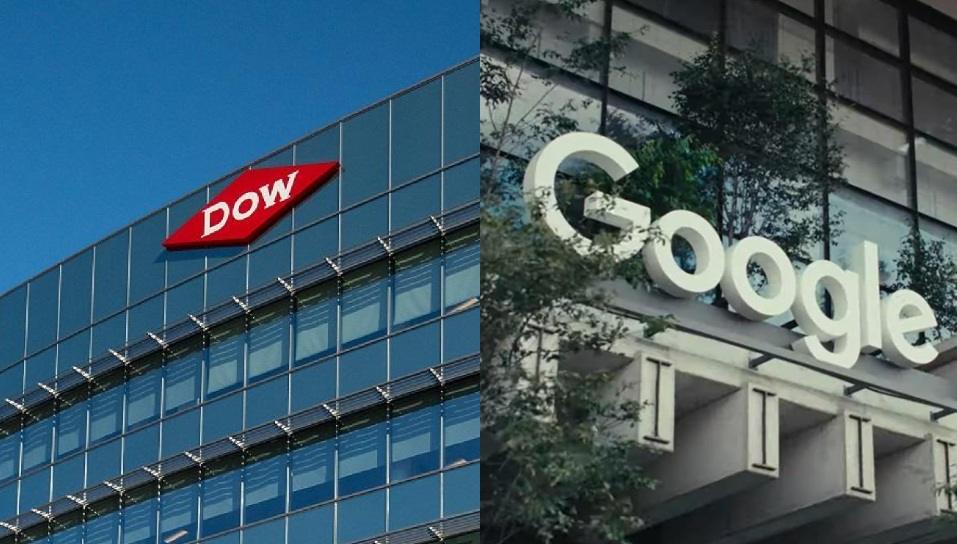
Dow and Google X Unveil AI-Driven Revolution for Petrochemical Plastics
A pivotal collaboration is set to redefine the landscape of plastics recycling, presenting compelling long-term opportunities for investors closely watching the petrochemicals sector and the broader drive towards sustainability. Industry powerhouse Dow, a global leader in advanced materials science, has strategically allied with Google’s cutting-edge technology incubator, X The Moonshot Factory. This groundbreaking initiative directly targets the ubiquitous challenge of recycling “hard-to-recycle” plastics, specifically packaging films and flexibles, through the innovative integration of advanced artificial intelligence (AI) into existing recycling infrastructure. For those with capital deployed across the oil and gas value chain, particularly within the crucial downstream petrochemical segment, this partnership signals a transformative evolution in plastic waste management. This shift promises to significantly influence future feedstock demand and enhance the long-term sustainability profile of polymer production, creating new avenues for value creation.
Unlocking Value in Complex Plastic Streams
The core objective behind this strategic alliance is to achieve true circularity for packaging materials that currently pose immense hurdles for traditional mechanical recycling systems. Films and flexibles, pervasive in modern consumer packaging due to their essential protective qualities for perishable goods like food, represent a formidable challenge. Their inherent multi-material composition, frequently blending various plastic types with other substances, renders precise identification and efficient sorting exceptionally difficult using conventional methods. Consequently, only a negligible proportion of these materials currently enter effective recycling streams, resulting in the squandering of vast potential economic and environmental value. This technological leap by Dow and Google X directly addresses a critical bottleneck in the recycling ecosystem, promising to dramatically enhance the efficiency and efficacy of recycling operations on an industrial scale. Savvy investors should recognize this as a direct play on improving resource utilization, reducing waste, and unlocking new revenue streams within the massive global plastics market.
Dow brings its unparalleled expertise in materials science, developed over decades, and its dual role as a major producer and recycler of these specific materials to this venture. Complementing this, Google’s X contributes its formidable capabilities in advanced machine learning, sophisticated AI algorithms, and immense computational power. This powerful synergy is meticulously designed to fundamentally transform how recycling centers process these complex plastic streams, moving beyond mere incremental improvements. Han Zhang, a key sustainability director at Dow, recently emphasized the profound transformative potential of this initiative, highlighting the seamless fusion of Dow’s deep material knowledge with Google’s cutting-edge AI to revolutionize plastics processing, making it both substantially more efficient and vastly more effective. This sophisticated integration of digital innovation with chemical engineering expertise underscores a growing trend in ESG-focused investing within the energy and materials sectors, where technological advancements are driving sustainable returns.
Strategic Implications for Petrochemical Investors
This collaboration is not a sudden development but builds upon several years of dedicated research and development by X’s “Moonshot for Circularity” initiative. This extensive prior work successfully developed the first comprehensive database specifically for cataloging plastics found in packaging, leveraging sophisticated computer vision and data analytics. This foundational research provides a robust platform upon which the current AI-driven recycling solution is being built, accelerating its development and deployment. For investors in petrochemicals, this alliance carries significant strategic implications. By improving the recyclability of a challenging waste stream, it helps to future-proof polymer production, aligning it more closely with global sustainability mandates and consumer demand for recycled content. This could mitigate regulatory risks and open new premium markets for sustainably sourced plastics.
From a feedstock perspective, increased circularity for films and flexibles, while not immediately displacing massive volumes of virgin naphtha or ethane, represents a crucial step towards diversifying the raw material base for polymer production. As recycled content gains traction and quality improves through advanced sorting, it will gradually contribute to a more resilient supply chain, potentially reducing the volatility associated with purely fossil-derived feedstocks. This initiative also enhances the overall social license to operate for petrochemical companies by actively addressing the plastic waste crisis, which is a major reputational and operational challenge for the industry. Companies like Dow are not merely reacting but proactively shaping the future of plastics, ensuring their continued relevance and profitability in a world increasingly focused on the circular economy.
Furthermore, the successful deployment of AI in sorting and processing these complex materials can lead to significant operational efficiencies and cost reductions for recycling facilities. This translates into higher quality recycled plastics, which can command better prices and be incorporated into a wider range of high-value applications, ultimately boosting the economic viability of the entire recycling value chain. Investors should view this as a strategic move that enhances Dow’s competitive advantage, strengthens its position in the circular economy, and provides a template for how advanced technology can unlock new value within traditional industrial sectors. The convergence of material science, artificial intelligence, and a commitment to sustainability represents a powerful investment thesis for the years ahead, particularly for those seeking exposure to the evolving energy and materials sectors.


