Navigating ESG’s Evolving Landscape: Key Insights for Oil & Gas Investors
The intricate world of environmental, social, and governance (ESG) factors continues to reshape the investment landscape, presenting both challenges and opportunities for the oil and gas sector. This past week delivered a flurry of developments, from shifts in climate reporting mandates to significant capital allocations in the green economy, all demanding close attention from discerning energy investors. Understanding these trends is crucial for assessing long-term value, managing risk, and identifying strategic plays in a rapidly transitioning market.
Shifting Disclosure Standards and the Scrutiny of Greenwashing
The regulatory environment governing ESG disclosures remains highly dynamic, prompting critical adjustments for companies and financial institutions alike. A notable recent development saw the International Sustainability Standards Board (ISSB) ease specific Scope 3 emissions reporting requirements, particularly impacting the financial sector. While this change directly targets financial firms, its broader implication for the oil and gas industry is significant. It signals a growing acknowledgement of the inherent complexities involved in accurately measuring indirect emissions across extensive value chains. For energy producers, who face intense pressure regarding their Scope 3 footprint, this move suggests the potential emergence of more pragmatic, though still rigorous, frameworks for future reporting.
Simultaneously, European regulators are taking proactive steps to enhance transparency and reliability within the ESG ecosystem. The European Securities and Markets Authority (ESMA) has proposed new regulations specifically designed to govern ESG ratings providers. These measures aim to standardize methodologies and increase accountability, ensuring that the ratings used by investors are robust and trustworthy. Meanwhile, the United Kingdom’s Financial Conduct Authority (FCA) has opted to postpone the introduction of its own sustainable disclosure requirements and investment labels for portfolio managers. This delay indicates a cautious, feedback-driven approach to implementation, acknowledging the need for industry alignment and practical application.
Collectively, these regulatory maneuvers highlight a global drive to refine ESG reporting, moving decisively towards greater integrity and away from potential “greenwashing.” For oil and gas investors, monitoring these evolving standards is paramount. They directly impact due diligence processes, compliance burdens, and ultimately, the perceived sustainability and risk profile of energy assets. Adapting to these changes will be crucial for maintaining investor confidence and securing capital in a market increasingly prioritizing verifiable environmental and social performance.
Corporate Decarbonization Accelerates Amidst Economic Headwinds
Despite persistent economic challenges, corporations globally are demonstrating an unwavering commitment to their net-zero ambitions, a trend recently reaffirmed by a comprehensive MSCI study. This dedication is translating into tangible investments and strategic collaborations, signaling a profound shift in corporate capital allocation and operational strategy. The demand for clean energy solutions, for instance, continues its upward trajectory, evidenced by major corporations expanding their renewable energy portfolios.
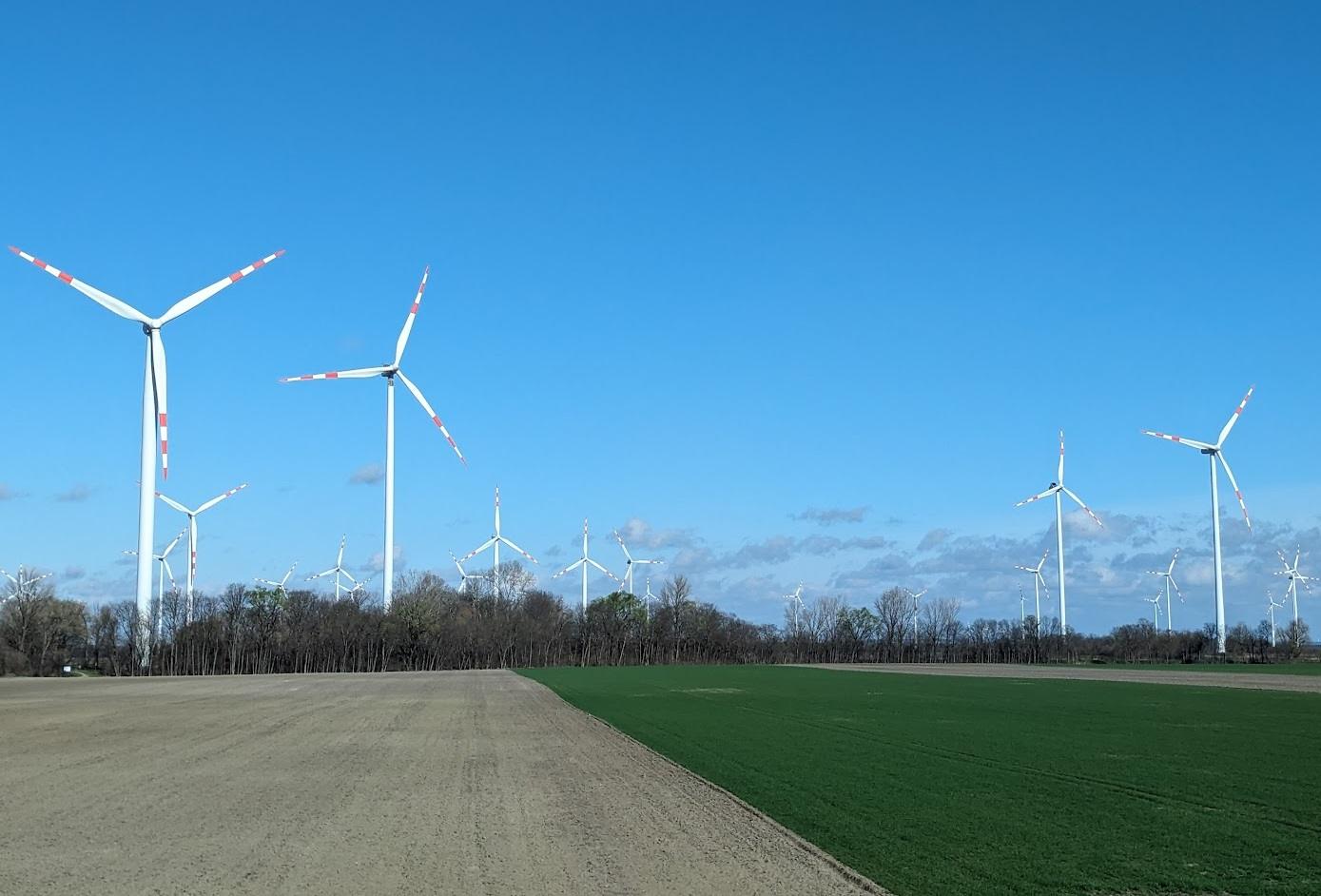
Microsoft, a tech titan, significantly bolstered its clean energy commitments by signing a 335-megawatt wind power purchase agreement in West Virginia. This move underscores the immense corporate appetite for decarbonizing energy sources, creating a robust market for renewable developers and energy transition infrastructure. Beyond traditional renewables, the circular economy is gaining substantial traction, presenting innovative solutions for resource efficiency and waste reduction. Syre, a venture backed by H&M, announced ambitious plans for a “gigascale” textile-to-textile recycling plant in Vietnam, showcasing the potential for industrial-scale sustainable practices in manufacturing. Luxury group Kering also launched a new, comprehensive water sustainability strategy, emphasizing responsible resource management across its operations.
The imperative to decarbonize extends to hard-to-abate sectors as well. In heavy transport, cleantech startup Remora formed key partnerships with railway giants Norfolk Southern and Union Pacific. These collaborations aim to pilot groundbreaking carbon capture technology directly on trains, a development that could revolutionize emissions reductions in freight logistics. Even agricultural supply chains are undergoing transformation, with major players like Nestlé and ofi collaborating on initiatives to reduce emissions and combat deforestation associated with cocoa production. These diverse efforts, spanning multiple industries, collectively illustrate a powerful trend: corporations are not merely paying lip service to sustainability but are making substantial, capital-intensive commitments to achieve their environmental goals. For oil and gas investors, understanding these shifts is vital for identifying new market opportunities, evaluating the long-term viability of traditional energy demand, and assessing the strategic pivots of energy majors towards integrated clean energy solutions.


