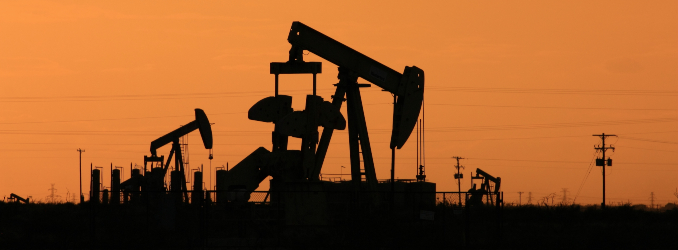
The Permian Basin, a pivotal engine of American crude oil output, currently presents a starkly diverging strategic landscape among its primary operators. As global crude prices experience renewed downward pressure, the industry’s titans, Exxon Mobil Corp. and Chevron Corp., are stepping up to command an even larger share of the basin’s anticipated production expansion. In sharp contrast, a multitude of independent producers are scaling back their activities, a direct consequence of their heightened vulnerability to market fluctuations and commodity price volatility. This evolving dynamic holds critical implications for investors closely tracking the energy sector.
Integrated Giants Demonstrate Resilience Amidst Market Headwinds
Integrated energy behemoths such as Exxon Mobil and Chevron inherently possess distinct advantages when navigating periods of market weakness. Their substantial financial reserves, robust balance sheets, and extensively diversified operational portfolios, which frequently encompass lucrative refining and chemical divisions, provide a considerable cushion against declining crude prices. For instance, downstream refining operations often benefit from lower feedstock costs, effectively mitigating some of the revenue erosion experienced in their upstream exploration and production (E&P) segments. This synergistic business model empowers these supermajors to adhere to their long-term investment blueprints and continue vital development projects, even when smaller, pure-play E&P firms are compelled to curtail spending and operations.
Chevron has already communicated its clear intention to reignite growth within its formidable Permian footprint. The company projects a robust rebound in production commencing in the second quarter, largely propelled by an uptick in hydraulic fracturing activity. This proactive and assertive stance underscores Chevron’s profound confidence in its operational efficiencies and its strategic capacity to leverage its inherent advantages within this exceptionally prolific basin. For discerning investors, this signals a steadfast commitment to sustained production growth, even in the face of broader market uncertainties that might deter less resilient players.
Exxon Mobil, another dominant force in the Permian, has articulated an ambitious, far-reaching vision for its operations in the region. The energy titan aims to escalate its Permian production by an impressive 50% by the year 2030, targeting an extraordinary output of 2.3 million barrels per day (bpd). This aggressive expansion plan highlights the company’s laser-like strategic focus on high-margin, low-cost assets that characterize the Permian, positioning it to generate substantial long-term shareholder value. Such large-scale, multi-decade commitments are a hallmark of supermajors, leveraging their unparalleled access to capital markets and cutting-edge technological capabilities to execute projects beyond the scope of most smaller companies.
Independent Producers Confront Mounting Pressures and Production Reductions
The narrative for independent producers operating in the Permian Basin diverges significantly from that of their larger counterparts. The recent steep decline in crude oil prices, which has witnessed a nearly 18% erosion since April 1, has forced many smaller operators to critically re-evaluate and, in many cases, scale back their drilling programs. This significant price depreciation stems from a complex interplay of macroeconomic factors, including the geopolitical ramifications of trade disputes involving the U.S. President and an increase in global supply originating from OPEC+ nations. This confluence of events creates an acutely challenging operating environment for companies with less diversified revenue streams and typically higher leverage.
Tangible evidence of this industry-wide pullback among independents is already becoming apparent across the basin. Faced with constrained cash flows and a less favorable capital market environment, numerous smaller and mid-sized E&P companies are making difficult decisions to defer or cancel planned drilling activity. Unlike the supermajors, who can lean on their downstream operations or vast corporate treasuries, independents are often more sensitive to the immediate impact of commodity price swings on their balance sheets and debt covenants. Their business models are predominantly pure-play upstream, meaning nearly all revenue is directly tied to the price of crude oil and natural gas.
For investors, this divergence highlights the increasing bifurcation of risk and opportunity within the Permian. While supermajors are positioned to consolidate their power and expand market share during downturns, independent producers face pressure to optimize capital allocation, reduce costs, and, in some instances, consider strategic alternatives. The operational adjustments by independents, including reduced rig counts and delayed completions, will inevitably impact their near-term production trajectories. This scenario underscores the importance of scrutinizing balance sheet strength, hedging strategies, and operational efficiencies when evaluating independent E&P investments in a volatile price environment.
Investment Implications: Navigating a Shifting Permian Landscape
The current dynamics within the Permian Basin present a critical juncture for investors. The continued expansion plans of integrated supermajors like Exxon Mobil and Chevron signal a long-term bullish outlook for their Permian assets, underpinned by their financial might and strategic patience. Their ability to invest counter-cyclically during periods of lower prices allows them to acquire assets, optimize infrastructure, and position themselves for robust growth when market conditions improve. Shareholders in these companies can anticipate a compounding effect from sustained investment in high-return areas like the Permian, contributing to stable dividends and long-term capital appreciation.
Conversely, the challenges faced by independent producers underscore the inherent risks associated with pure-play E&P exposure. While these firms often offer higher beta to commodity price swings, potentially yielding significant returns during upswings, they are also disproportionately vulnerable during downturns. Investors must carefully assess the financial health, debt maturity schedules, and operational flexibility of independent operators. The current environment could lead to further consolidation, with financially stronger entities acquiring distressed assets from independents, thereby accelerating the supermajors’ dominance.
Ultimately, the Permian Basin remains a cornerstone of global energy supply, but its operational landscape is undergoing a significant transformation. The strategic divergence between supermajors and independents will likely redefine the basin’s future production profile and investment attractiveness. For those investing in the oil and gas sector, understanding these contrasting strategies and their underlying economic drivers is paramount to making informed decisions and navigating the evolving energy market successfully.


